
The Strategic Implementation of 1.5kW Fiber laser cutting for Brass in Leon
The industrial landscape of Leon, Guanajuato, has undergone a significant transformation over the last decade. Historically recognized as the “Shoe Capital of the World,” Leon has successfully diversified into high-precision metalworking, automotive components, and aerospace manufacturing. At the heart of this evolution is the adoption of advanced fiber laser cutting technology. Specifically, the 1.5kW fiber laser has emerged as a critical tool for small to medium-sized enterprises (SMEs) specializing in non-ferrous metals like brass. This power rating offers a precise balance between capital expenditure and operational capability, making it an ideal choice for the intricate work required in Leon’s growing hardware and decorative metal sectors.
Brass, an alloy of copper and zinc, presents unique challenges in thermal processing. Its high thermal conductivity and reflectivity require a laser source that can deliver high energy density with minimal back-reflection risks. The 1.5kW fiber laser, operating at a wavelength of approximately 1.064 microns, is significantly better absorbed by brass than traditional CO2 lasers. This guide explores the technical nuances, operational best practices, and regional advantages of deploying 1.5kW laser cutting systems in the Leon industrial corridor.
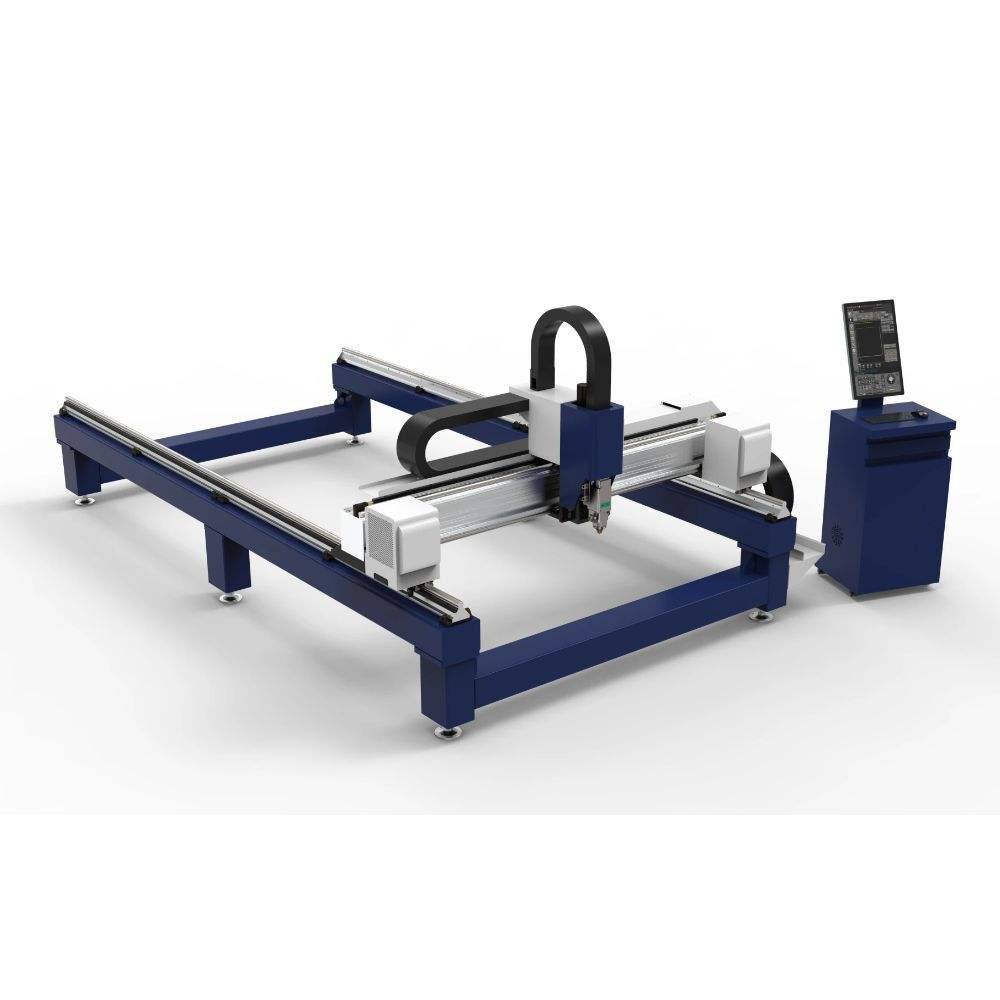 laser cutting machine” style=”width: 100%; max-width: 800px; height: auto; margin: 20px 0;”>
Technical Specifications of 1.5kW Systems for Brass
A 1.5kW fiber laser is generally classified as a medium-power system. In the context of brass, this power level is optimized for material thicknesses ranging from 0.5mm to 5mm. While higher power systems exist, the 1.5kW unit provides a tighter kerf width and a smaller heat-affected zone (HAZ), which is vital for the precision components often manufactured in Leon’s specialized workshops.
The beam quality, often measured by the M2 factor, is paramount when cutting reflective alloys. A 1.5kW system typically features a high-quality single-mode or low-order multi-mode beam that allows for a concentrated focal spot. This concentration is necessary to overcome the initial reflectivity of the brass surface. Once the “pierce” is successful and the material reaches its melting point, the absorption rate increases significantly, allowing for efficient high-speed laser cutting.
The Challenge of Reflectivity and Back-Reflection Protection
One of the primary concerns for engineers in Leon when working with brass is the risk of back-reflection. Brass, much like copper and aluminum, can reflect the laser beam back into the delivery fiber and the resonator, potentially causing catastrophic damage to the optical components. Modern 1.5kW fiber lasers are equipped with sophisticated back-reflection isolation systems.
These systems utilize optical isolators and sensors that can detect reflected light in real-time. If the reflected energy exceeds a safe threshold, the system automatically shuts down the beam to protect the laser source. For manufacturers in Leon, investing in a machine with robust back-reflection protection is non-negotiable when brass is a primary material in the production cycle. This ensures the longevity of the equipment and minimizes downtime in high-pressure manufacturing environments.
Optimizing Gas Selection and Pressure
The choice of assist gas is a critical variable in the laser cutting of brass. For a 1.5kW system, the two primary options are Oxygen (O2) and Nitrogen (N2), each serving different metallurgical purposes. In Leon’s industrial applications, Nitrogen is the preferred choice for high-quality finishes.
Using high-pressure Nitrogen (typically between 12 and 20 bar) acts as a shielding gas that prevents oxidation of the cut edge. This results in a “bright” cut that requires little to no post-processing—a major advantage for Leon-based companies producing decorative hardware or electrical connectors. Oxygen, on the other hand, can be used to increase cutting speeds in thicker brass by initiating an exothermic reaction. However, this often results in an oxidized, darkened edge that may require mechanical cleaning or pickling, adding to the total cost of production.

Precision Piercing Strategies for Brass
Piercing is the most volatile stage of the laser cutting process for reflective materials. For a 1.5kW laser, the piercing strategy must be carefully programmed to avoid “splatter” and ensure a clean entry. In Leon’s precision shops, multi-stage piercing is commonly utilized. This involves starting with a lower power and higher frequency pulse to gradually create a hole, followed by a transition to continuous wave (CW) mode for the actual cutting path.
The use of “oil-mist” or specialized piercing agents can also help. Applying a small amount of oil to the pierce point can reduce the amount of slag that adheres to the nozzle and the surface of the brass, extending the life of the consumables. Given the humidity levels in the Bajio region, ensuring that the compressed air and gas lines are equipped with high-quality dryers is also essential to prevent moisture from interfering with the pierce quality.
The Economic Landscape of Leon and Laser Cutting
Leon’s strategic location within the “El Bajio” region places it at the center of Mexico’s industrial heartland. The city’s infrastructure supports a massive supply chain for the automotive industry (OEMs and Tier 1/Tier 2 suppliers). Many of these suppliers require brass bushings, shims, and electrical terminals. A 1.5kW laser cutting machine provides the flexibility to switch between these industrial components and more artistic, localized demands like custom buckles for the leather industry or architectural signage.
The ROI (Return on Investment) for a 1.5kW system in Leon is particularly attractive due to the lower energy consumption compared to 4kW or 6kW systems. For many local shops, the 1.5kW capacity covers 90% of their daily requirements while keeping overhead costs manageable. Furthermore, the availability of skilled technicians in the Guanajuato area, trained through local technical universities and specialized programs, ensures that the machines are operated at peak efficiency.
Maintenance Protocols for High-Reflectivity Operations
Maintenance is the cornerstone of successful laser cutting, especially when dealing with the debris generated by brass. Brass vaporizes into a fine dust that can be more abrasive and conductive than steel dust. Therefore, the filtration system of the 1.5kW laser must be maintained with high-efficiency particulate air (HEPA) filters to protect the internal components and the health of the operators.
The optical path, including the protective window (cover slide), must be inspected daily. Even a microscopic layer of brass dust on the lens can absorb laser energy, leading to thermal distortion or “thermal lensing,” which shifts the focal point and ruins the cut quality. In Leon’s industrial parks, where dust can be a factor of the environment, maintaining a pressurized, clean-room environment for the laser head is a best practice that significantly reduces the cost of consumables.
Future Trends: Automation and Industry 4.0 in Leon
As Leon moves toward Industry 4.0, 1.5kW laser cutting systems are increasingly being integrated with automated loading and unloading systems. For brass cutting, this means higher throughput and the ability to run “lights-out” shifts. Modern CNC controllers used in these machines allow for remote monitoring via mobile devices, a feature that is becoming standard among the tech-forward manufacturing community in Guanajuato.
Furthermore, the integration of nesting software optimized for expensive materials like brass is helping Leon-based companies minimize waste. Since brass is priced significantly higher than mild steel or stainless steel, reducing scrap by even 2-3% through intelligent nesting can result in thousands of dollars in annual savings. This focus on material efficiency is a hallmark of the sophisticated engineering culture currently thriving in Leon.
Conclusion
The 1.5kW fiber laser represents a pivotal technology for the industrial sector in Leon, Mexico. By understanding the specific requirements of laser cutting brass—from managing reflectivity to optimizing gas pressures—local manufacturers can produce world-class components with high efficiency. As the region continues to attract international investment, the demand for high-precision, reliable, and cost-effective metal processing will only grow. The 1.5kW system stands as the workhorse of this movement, providing the precision of a surgeon with the durability of a seasoned industrial tool. For any facility in Leon looking to elevate its production capabilities, mastering the nuances of this technology is the clear path forward.
















