
Engineering Optimization: 1.5kW Fiber Laser Cutting for Brass in Tijuana’s Agricultural Sector
The industrial landscape of Tijuana has evolved rapidly, positioning itself as a critical hub for advanced manufacturing and agricultural component fabrication. For factory owners and engineers specialized in the agricultural sector, the demand for high-precision brass components—ranging from irrigation nozzles and sensor housings to specialized valve assemblies—has never been higher. To meet these demands with both economic efficiency and technical superiority, the 1.5kW Fiber Laser Cutting Machine, optimized for reflective materials, represents the pinnacle of modern fabrication technology.
This guide explores the engineering fundamentals of the 1.5kW fiber laser, focusing specifically on the structural integrity of plate-welded heavy-duty beds and the metallurgical challenges of processing brass in a high-output production environment.
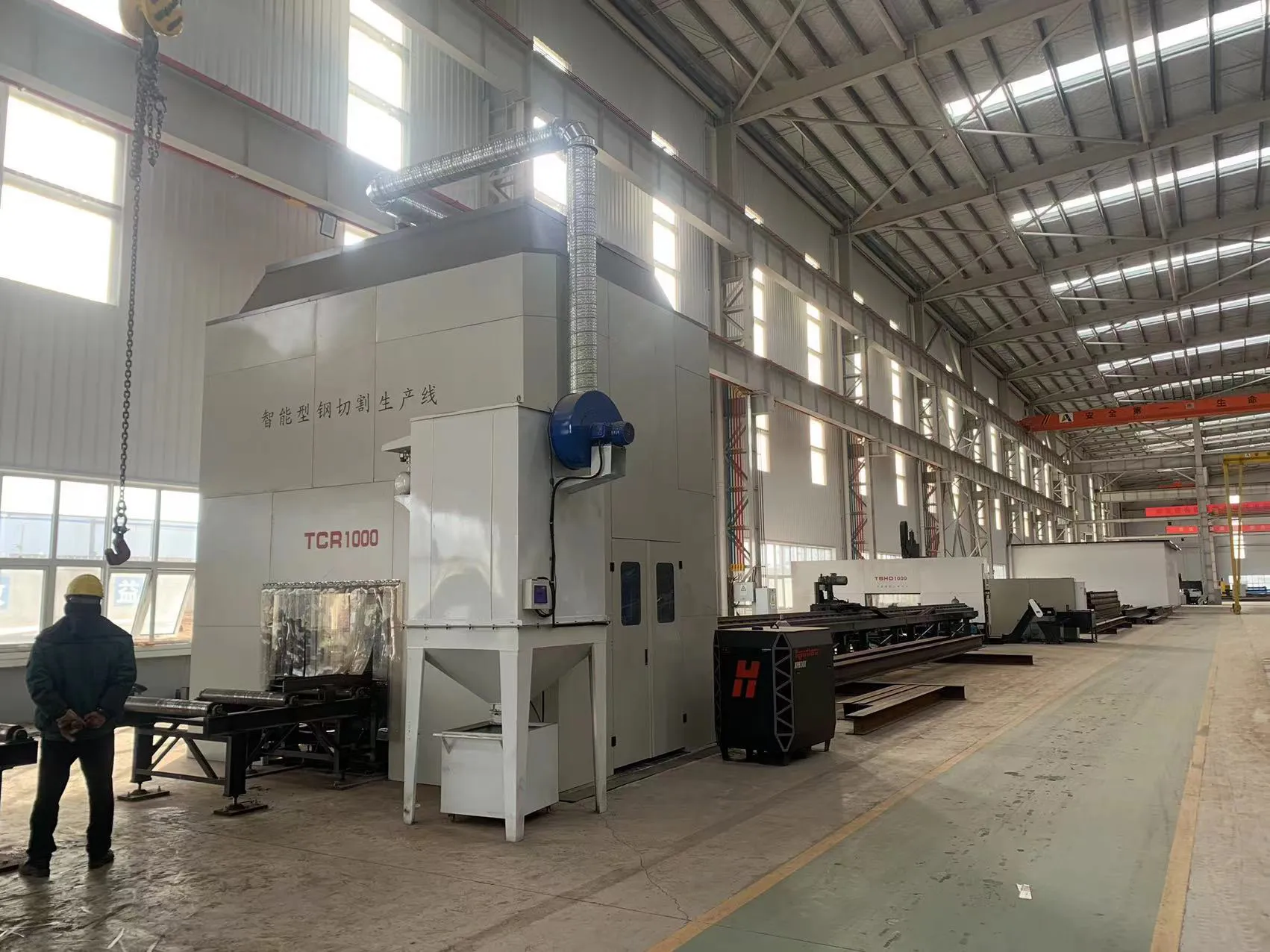
Structural Foundation: The Plate-welded Heavy Duty Bed
In precision laser cutting, the machine bed is not merely a frame; it is the dampening foundation that dictates the accuracy of every micron. For the Tijuana market, where industrial power fluctuations and ambient temperature shifts can affect machine performance, a plate-welded heavy-duty bed offers distinct mechanical advantages over lighter aluminum or cast-iron alternatives.
The engineering of a plate-welded bed involves high-tensile steel plates that are joined using specialized groove welding techniques. Following the welding process, the bed undergoes a rigorous stress-relief annealing process. This thermal treatment involves heating the structure to approximately 600°C and cooling it at a controlled rate to eliminate internal stresses. For an agricultural factory owner, this translates to a machine that maintains its geometric alignment for over 20 years, even under the stress of 24/7 operation.
The high mass of the plate-welded bed provides superior vibration damping. When the 1.5kW laser head moves at high speeds—often reaching accelerations of 1.0G to 1.2G—the inertia can cause microscopic oscillations in lesser frames. A heavy-duty bed absorbs these vibrations, ensuring that the laser beam remains perfectly perpendicular to the brass workpiece, resulting in a cleaner kerf and a burr-free finish.
The 1.5kW Power Threshold for Brass Fabrication
Brass is a copper-zinc alloy known for its high thermal conductivity and high reflectivity. Historically, these properties made brass difficult to cut with CO2 lasers. However, the 1.06-micron wavelength of a fiber laser is absorbed much more efficiently by non-ferrous metals.
A 1.5kW power rating is the “engineering sweet spot” for many agricultural applications. It provides sufficient energy density to pierce and cut brass up to 5mm or 6mm in thickness with high efficiency. While higher wattage machines exist, the 1.5kW system offers a lower total cost of ownership (TCO) by reducing gas consumption and power draw while maintaining cutting speeds that align with the production cycles of most Tijuana-based fabrication shops.
Data-driven performance metrics for 1.5kW on Brass:
– 1mm Brass: 12-15 m/min
– 2mm Brass: 4-6 m/min
– 3mm Brass: 2-3 m/min
– 5mm Brass: 0.8-1.2 m/min
By utilizing Nitrogen as a shielding gas, engineers can prevent oxidation on the cut edge, which is vital for components that require secondary soldering or aesthetic finishing in irrigation systems.
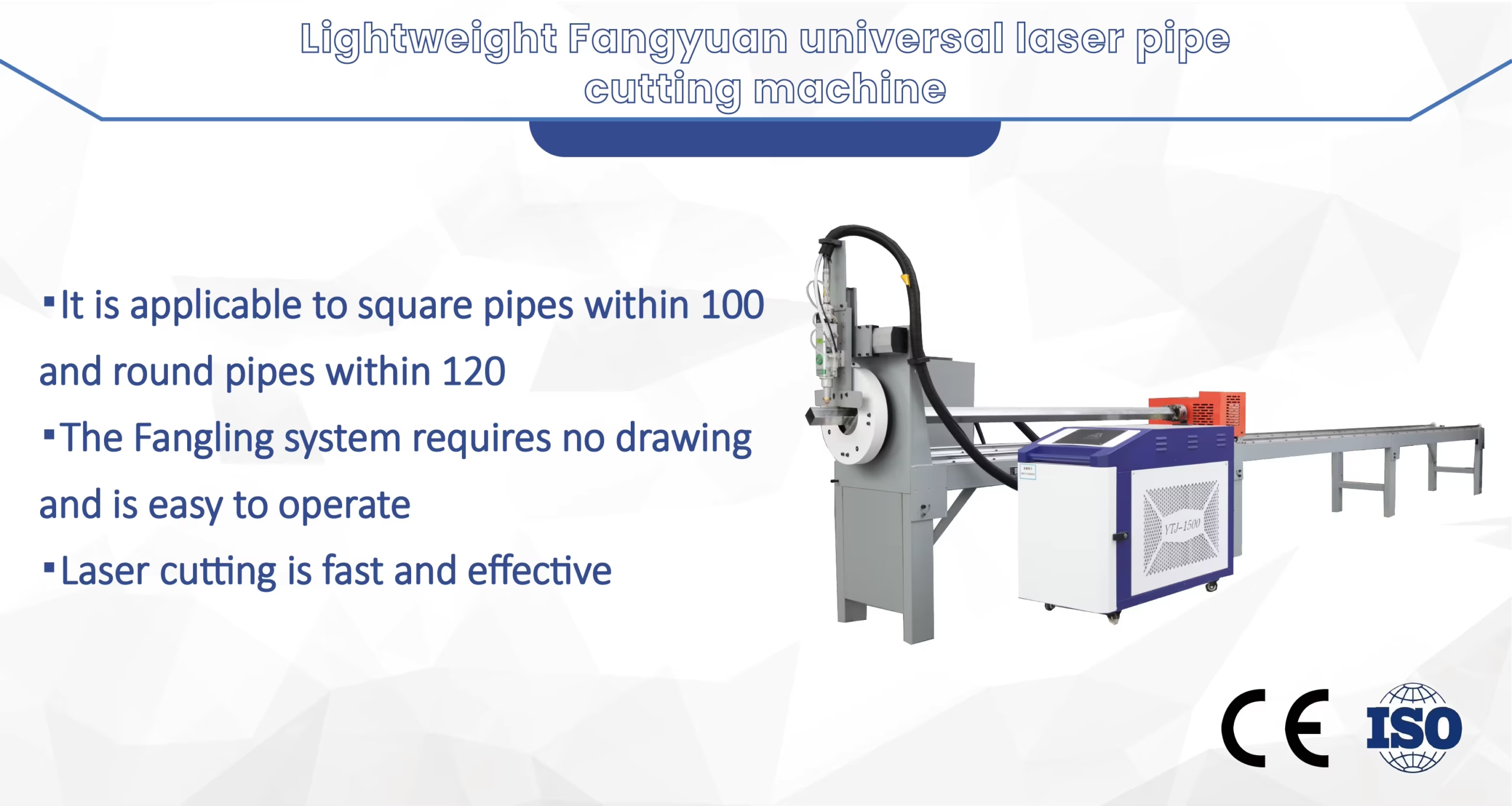
Precision Cutting and Reflection Protection
One of the primary concerns for engineers when cutting brass is “back reflection.” Because brass is reflective, the laser beam can potentially bounce back into the cutting head, damaging the optical fiber or the laser source. Modern 1.5kW systems specialized for brass are equipped with multi-stage optical isolators and back-reflection sensors.
These systems detect any reflected light in real-time and can shut down the beam in microseconds if a dangerous threshold is reached. Furthermore, the use of specialized cutting heads with autofocus capabilities ensures that the focal point remains constant, even if the sheet metal has slight deviations in flatness. For agricultural parts that require tight tolerances—such as ±0.03mm for precision fittings—this autofocus technology is indispensable.
Operational Integration in the Tijuana Market
Tijuana’s proximity to the United States border creates a unique economic environment where manufacturers must adhere to both Mexican NOM standards and international quality expectations. Implementing a 1.5kW fiber laser allows local factories to compete on a global scale by reducing lead times and minimizing material waste.
The “Tijuana Advantage” in this context refers to the ability to source raw brass materials locally or from the US and process them with high-precision equipment that requires minimal manual intervention. The CNC control systems on these machines are designed for compatibility with standard CAD/CAM software (such as CypCut), allowing engineers to move from a digital design to a finished brass part in minutes.
Furthermore, the environmental conditions in Baja California require machines with robust cooling systems. The 1.5kW systems utilize dual-circuit industrial chillers—one circuit for the laser source and one for the cutting head optics—ensuring that the machine operates within optimal temperature parameters despite the region’s seasonal heat.
Technical Advantages for Agricultural Engineering
Agriculture in the region relies heavily on equipment that can withstand corrosive environments. Brass is often the material of choice due to its corrosion resistance. The precision offered by a 1.5kW fiber laser allows for the design of more complex and efficient agricultural components:
1. **Micro-Irrigation Components:** The ability to cut extremely small holes (down to 0.5mm diameter) in brass plates allows for the production of advanced drip irrigation emitters that provide consistent water flow.
2. **Sensor Housings:** Modern farming utilizes IoT sensors to monitor soil moisture. Laser-cut brass housings provide the necessary durability and electromagnetic shielding for these sensitive electronics.
3. **Custom Manifolds:** For specialized chemical spraying equipment, custom brass manifolds can be cut and etched with part numbers and flow directions in a single process, reducing secondary marking costs.
Economic Impact and ROI for Factory Owners
From a financial perspective, the transition from traditional mechanical punching or plasma cutting to 1.5kW fiber laser cutting offers a compelling Return on Investment (ROI). The kerf width of a fiber laser is significantly narrower than that of a plasma cutter, typically around 0.1mm. This allows for tighter nesting of parts on a single sheet of brass, often increasing material utilization by 15-20%.
In a market like Tijuana, where material costs are subject to international market fluctuations, saving 20% on brass scrap can result in thousands of dollars in monthly savings. Additionally, the fiber laser eliminates the need for expensive dies used in punching, making short-run custom orders for specialized agricultural machinery economically viable.
The maintenance profile of a fiber laser is also significantly lower than that of CO2 systems. With no mirrors to align and a laser source life of up to 100,000 hours, the downtime is minimized, ensuring that the factory meets its delivery deadlines—a critical factor for the seasonal nature of the agricultural industry.
Conclusion: The Future of Fabrication in Tijuana
The integration of 1.5kW Fiber Laser technology, supported by a plate-welded heavy-duty bed, represents a strategic upgrade for any agricultural manufacturing facility in Tijuana. By combining structural stability with the specific optical requirements for brass processing, engineers can achieve levels of precision and efficiency that were previously unattainable.
As the agricultural sector continues to move toward more automated and precise technologies, the ability to fabricate high-quality brass components in-house becomes a significant competitive advantage. For the factory owner, this machine is not just a tool; it is a long-term investment in the reliability, precision, and scalability of their production line.
By focusing on the technical synergy between the laser power, the structural bed, and the unique properties of brass, Tijuana’s manufacturers are well-positioned to lead the next generation of industrial excellence in North America.
















