
Comprehensive Engineering Guide: 1.5kW Sheet Metal laser cutting for Aluminum Alloys in Mexico City
The manufacturing landscape in Mexico City (CDMX) has undergone a significant transformation, driven by the aerospace, automotive, and electronic sectors. At the heart of this industrial evolution is the adoption of fiber laser technology. Specifically, the 1.5kW fiber laser has emerged as a versatile workhorse for sheet metal fabrication. When processing aluminum alloys—materials known for their high thermal conductivity and reflectivity—precision and environmental calibration become paramount. This guide explores the technical nuances of operating a 1.5kW laser cutting system within the unique geographical and industrial context of Mexico City.
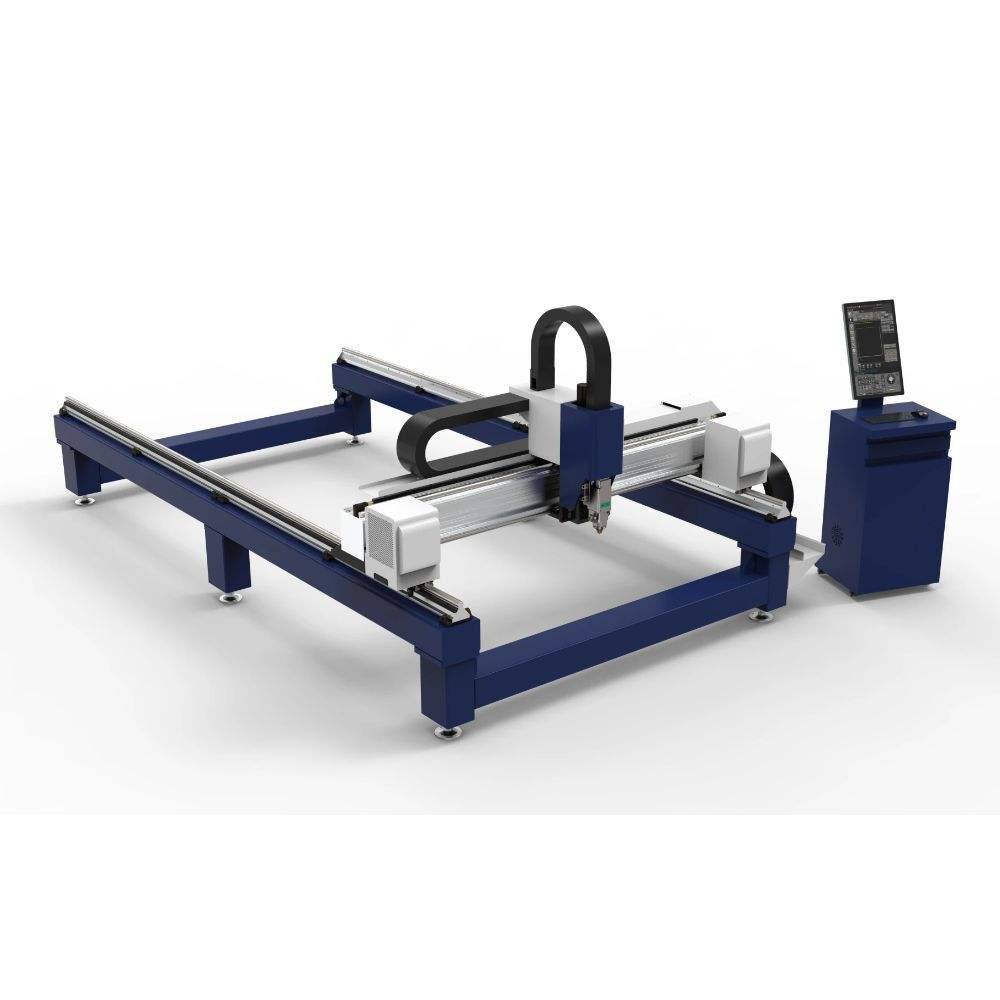
 laser cutting machine” style=”width: 100%; max-width: 800px; height: auto; margin: 20px 0;”>
Understanding the 1.5kW Fiber Laser Power Profile
A 1.5kW fiber laser source provides a specific energy density that is ideal for thin to medium-gauge sheet metal. In the context of aluminum, which requires higher energy peaks to overcome its initial reflectivity, the 1.5kW power level offers a balance between operational speed and edge quality. While higher wattage machines exist, the 1.5kW system is often preferred by Mexico City’s medium-sized workshops due to its lower power consumption and reduced cooling requirements, which are critical factors in urban industrial zones where electrical infrastructure may have specific load limits.
For aluminum alloys, the 1.5kW threshold typically allows for high-quality laser cutting of thicknesses ranging from 0.5mm to 5mm. Beyond 6mm, the cut quality may degrade without extremely precise gas management, often resulting in increased dross and a wider kerf. Understanding these limitations is the first step in optimizing the machine for the local supply chain.
The Impact of Mexico City’s Altitude on Laser Cutting
One of the most overlooked factors in laser cutting optimization is the geographical location of the facility. Mexico City sits at an average elevation of 2,240 meters (7,350 feet) above sea level. This high-altitude environment presents unique challenges for laser systems designed at sea level.
Atmospheric Pressure and Assist Gas Dynamics
At high altitudes, the atmospheric pressure is significantly lower than at sea level. This affects the behavior of assist gases—typically Nitrogen or Oxygen—used during the laser cutting process. Nitrogen is the standard choice for aluminum to prevent oxidation and ensure a bright, weld-ready edge. However, the lower air density in CDMX means that the gas flow dynamics change. Operators often find that they must increase the nozzle pressure by 10-15% compared to manufacturers’ standard tables to achieve the same “flushing” effect of the molten material from the kerf.
Cooling System Efficiency
Fiber lasers rely on sophisticated water-cooling units (chillers). In the thinner air of Mexico City, heat exchange between the chiller’s condenser and the ambient air is less efficient. It is critical for engineering teams to ensure that the chiller is rated for high-altitude operation or is slightly oversized for the 1.5kW load. Overheating can lead to fluctuations in the laser beam’s wavelength, which directly impacts the absorption rate in reflective aluminum alloys.
Material Specifics: Aluminum Alloys in the Mexican Market
The Mexican industrial sector frequently utilizes specific aluminum grades, each requiring tailored laser cutting parameters. The 1.5kW laser must be tuned to the specific alloying elements of the sheet metal.
Processing 5052 and 6061 Alloys
The 5052 series is widely used in Mexico City for enclosures and marine-grade components due to its corrosion resistance. It cuts relatively cleanly with a 1.5kW laser. In contrast, 6061-T6, a staple in the local aerospace and automotive sectors, is more sensitive to heat. Because 6061 is more prone to “dross” or burr formation, the laser cutting speed must be carefully calibrated. Engineers should focus on the “frequency” and “duty cycle” settings of the laser pulse to minimize the heat-affected zone (HAZ).
Managing Reflectivity and Back-Reflection
Aluminum is a highly reflective material. In the early stages of a cut, the laser beam can reflect back into the delivery fiber, potentially damaging the laser source. Modern 1.5kW fiber lasers are equipped with back-reflection isolators. However, in an engineering environment, the best practice is to use “pierce-sensing” technology and to ensure the beam is never perfectly perpendicular to a static sheet during the initial pulse. Slight beam modulation can help the material absorb the energy faster, transitioning from a solid to a molten state where reflectivity drops significantly.
Optimizing Parameters for 1.5kW Laser Cutting
To achieve a burr-free finish on aluminum sheet metal, several variables must be synchronized. Below are the engineering considerations for 1.5kW systems.
Nozzle Selection and Focal Position
For aluminum, a “double-layer” nozzle is often recommended when using Oxygen, but for the clean-cut finish required in most CDMX high-tech industries, a single-layer nozzle with Nitrogen is preferred. The focal position for aluminum is typically “negative”—meaning the focus point of the beam is set below the surface of the material. This allows the beam to create a wider kerf at the bottom, facilitating the exit of the molten aluminum through the assist gas pressure.
Cutting Speed vs. Edge Quality
In a 1.5kW system, the margin for error in speed is narrow. If the laser cutting speed is too slow, the high thermal conductivity of aluminum causes the heat to dissipate into the surrounding material, leading to melting and deformation. If the speed is too fast, the laser fails to penetrate fully, causing a “restart” that can damage the nozzle. In Mexico City’s fabrication shops, a standard starting point for 2mm 5052 aluminum is approximately 8-10 meters per minute, adjusted based on the purity of the assist gas.
Maintenance and Operational Longevity in CDMX
The industrial environment of the Valley of Mexico is characterized by specific dust profiles and humidity levels. Maintaining a 1.5kW laser requires a proactive approach to ensure consistent uptime.
Optical Path Integrity
The “cutting head” contains sensitive lenses and protective windows. In the high-altitude, often dusty environment of Mexico City’s industrial corridors (such as Vallejo or Naucalpan), the integrity of the seals is vital. Any microscopic dust particle on the lens will absorb 1.5kW of energy, instantly shattering the glass. Operators must perform daily inspections of the “protective window” and maintain a clean-room protocol when replacing consumables.
Gas Purity and Supply
The quality of Nitrogen available in the local market can vary. For high-grade aluminum laser cutting, Nitrogen purity should be at least 99.99%. Using a Nitrogen generator can be a cost-effective solution for CDMX shops, but it must be equipped with high-efficiency filters to remove moisture, which is prevalent during the rainy season in the capital. Moisture in the gas line will cause “pitting” on the aluminum edge, leading to secondary finishing costs.
Economic and Strategic Advantages
Implementing a 1.5kW fiber laser for aluminum in Mexico City offers a strategic advantage under the USMCA (United States-Mexico-Canada Agreement). As “nearshoring” brings more manufacturing back to North America, the ability to produce high-precision aluminum components locally is invaluable. The 1.5kW power level is particularly efficient for the production of heat sinks, electronic chassis, and lightweight automotive brackets.
Energy Efficiency and Sustainability
Compared to older CO2 laser technology, the 1.5kW fiber laser reduces energy consumption by up to 70%. In an era where Mexico is moving toward stricter environmental regulations and higher industrial electricity tariffs, the fiber laser’s efficiency directly translates to a lower “cost per part.” This allows local manufacturers to remain competitive with international suppliers while meeting the rigorous quality standards of the global market.
Conclusion
Mastering laser cutting for aluminum alloys with a 1.5kW system in Mexico City requires a deep understanding of both the machine’s physics and the local environment. By compensating for the high altitude, managing the inherent reflectivity of the material, and maintaining rigorous maintenance schedules, engineers can unlock the full potential of this technology. As Mexico City continues to grow as a hub for advanced manufacturing, the precision offered by fiber lasers will remain a cornerstone of industrial success.
















