
Introduction to 1.5kW Fiber laser cutting in Guadalajara’s Industrial Sector
The industrial landscape of Guadalajara, often referred to as the “Silicon Valley of Mexico,” has seen a rapid transformation toward advanced manufacturing technologies. Among these, the 1.5kW fiber laser cutting system has emerged as a cornerstone for small to medium-sized enterprises (SMEs) specializing in sheet metal fabrication. This power range is particularly significant for the processing of aluminum alloys, which are ubiquitous in the region’s thriving electronics, aerospace, and automotive sectors. Engineering a successful laser cutting operation requires a deep understanding of the interaction between the fiber laser wavelength and the unique metallurgical properties of aluminum.
In Guadalajara’s high-altitude environment, thermal management and atmospheric conditions play a subtle but critical role in laser performance. A 1.5kW system offers a balance between capital investment and operational capability, providing sufficient energy density to penetrate reflective alloys while maintaining a narrow kerf width and high edge quality. This guide explores the technical nuances of utilizing a 1.5kW sheet metal laser specifically for aluminum alloys within the context of the Jalisco industrial corridor.
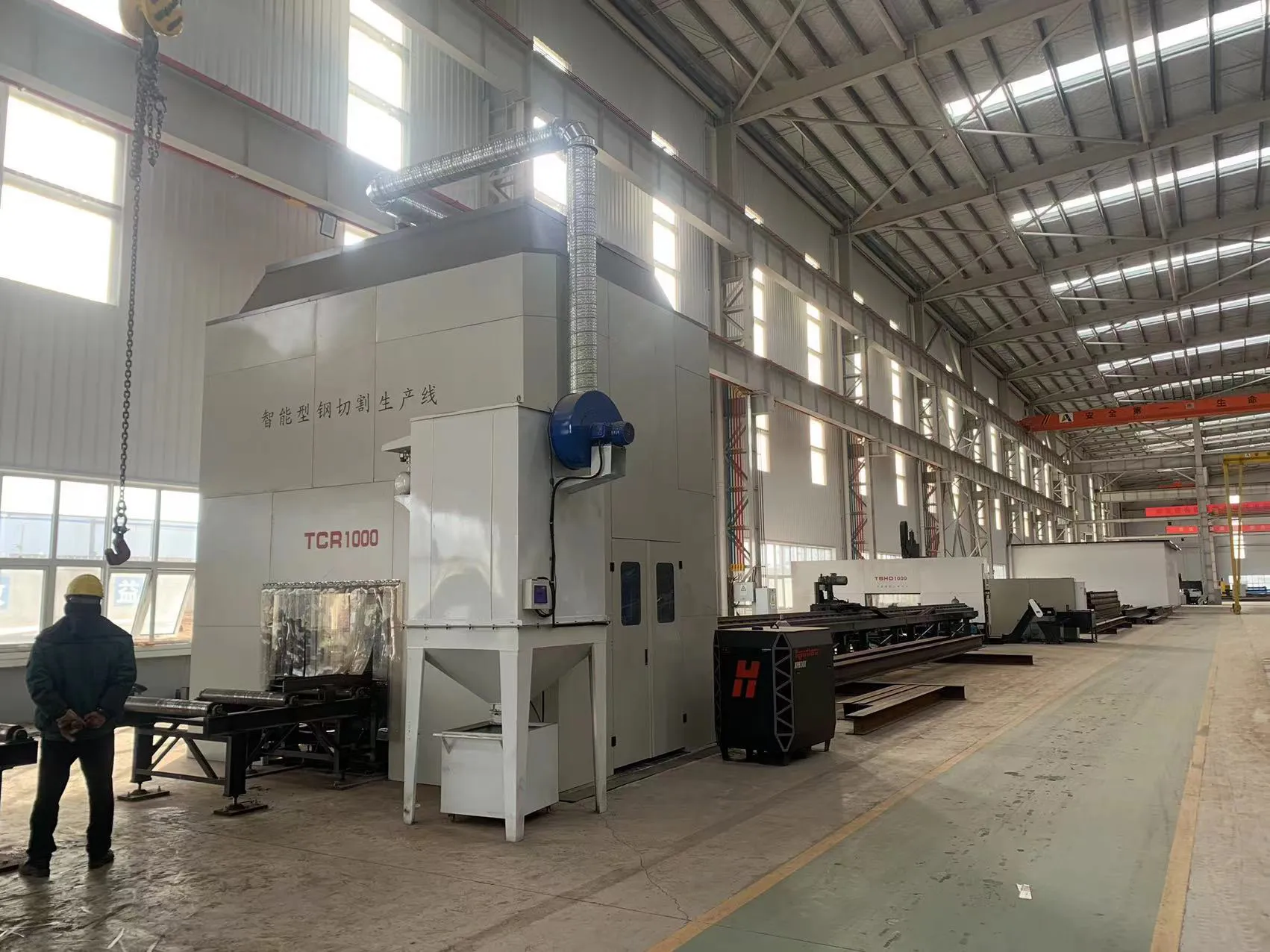 laser cutting machine” style=”width: 100%; max-width: 800px; height: auto; margin: 20px 0;”>
Technical Specifications of the 1.5kW Fiber Laser
The 1.5kW fiber laser operates typically at a wavelength of approximately 1.064 microns. Unlike traditional CO2 lasers, this shorter wavelength is more readily absorbed by non-ferrous metals, including aluminum. For a 1.5kW power source, the optimum cutting range for aluminum alloys generally falls between 0.5mm and 5mm, though peak performance and maximum edge cleanliness are achieved in the 1mm to 3mm range. The beam quality, often measured by the M2 factor, is paramount; a 1.5kW source usually provides a high-quality, stable beam that allows for a concentrated spot size, increasing the power density at the focal point to overcome aluminum’s high thermal conductivity.
The Challenges of Laser Cutting Aluminum Alloys
Aluminum presents unique challenges to laser cutting compared to carbon steel or stainless steel. Its primary obstacles are high reflectivity and high thermal conductivity. In its solid state, aluminum reflects a significant portion of the laser energy back toward the source, which can potentially damage the optical components if the system is not equipped with back-reflection protection. Furthermore, as heat is applied, aluminum dissipates that energy rapidly throughout the sheet, necessitating a high-intensity energy input to maintain a stable melt pool.
Metallurgical Considerations: 5000 and 6000 Series
In Guadalajara’s manufacturing hubs, the 5000 series (magnesium-alloyed) and 6000 series (magnesium and silicon-alloyed) are the most common. The 5000 series, known for its corrosion resistance, typically cuts cleaner with a 1.5kW laser. The 6000 series, while highly versatile for structural applications, contains silicon which can affect the dross formation and edge roughness. Precision laser cutting requires adjusting the pulse frequency and duty cycle to account for these alloying elements, ensuring that the melt is ejected efficiently by the assist gas before it can solidify on the underside of the cut.
The Impact of Reflectivity and Back-Reflection
Modern 1.5kW fiber lasers are designed with isolators to mitigate the risks of back-reflection. When the laser beam first hits the aluminum surface, the reflectivity is at its highest. Once the material reaches its melting point, the absorption rate increases significantly. Engineers must calibrate the “pierce” phase of the laser cutting cycle to use higher peak power or modulated pulses to “break” the surface reflectivity quickly, preventing energy from bouncing back into the delivery fiber.
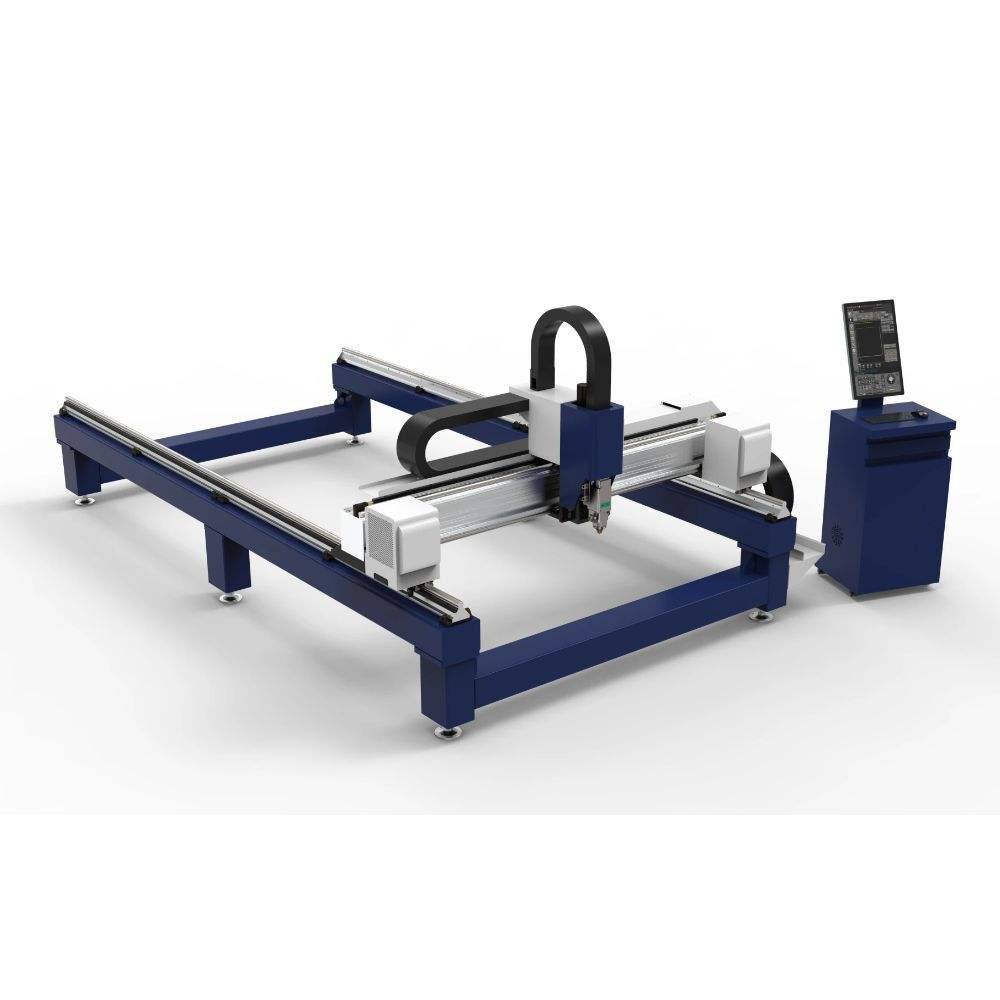
Optimizing Parameters for the Guadalajara Environment
Guadalajara sits at an elevation of approximately 1,566 meters (5,138 feet) above sea level. For laser cutting operations, this altitude results in lower atmospheric pressure and different air density compared to sea-level facilities. This affects the cooling efficiency of the chiller units and the dynamics of the assist gas as it exits the nozzle. A 1.5kW system requires a robust cooling circuit; in the warmer climate of Jalisco, ensuring the chiller is rated for ambient temperatures exceeding 35°C is vital for maintaining the stability of the laser resonator and the cutting head.
Assist Gas Selection: Nitrogen vs. Compressed Air
For high-quality aluminum laser cutting, Nitrogen is the preferred assist gas. It acts as a mechanical agent to blow the molten aluminum out of the kerf while preventing oxidation, resulting in a shiny, weld-ready edge. When using a 1.5kW laser on 2mm aluminum, Nitrogen pressures typically range from 12 to 18 bar. Alternatively, for non-critical components or thinner gauges, high-pressure compressed air can be used to reduce operational costs, though this will result in a slightly oxidized edge and may require more frequent cleaning of the laser’s protective window due to particulates.
Nozzle Selection and Focal Position
The choice of nozzle is critical for 1.5kW applications. For aluminum, a double-nozzle configuration is often used to stabilize the gas flow. The focal position for aluminum is typically “negative,” meaning the focus is set below the surface of the material. This allows the laser energy to create a wider melt at the bottom of the sheet, facilitating easier ejection of the material and reducing the “burr” or dross that often clings to the bottom edge of aluminum cuts.
Operational Maintenance and Safety Protocols
Maintaining a laser cutting machine in an industrial environment like Zapopan or El Salto requires a disciplined maintenance schedule. Aluminum dust is highly conductive and potentially explosive if allowed to accumulate in large quantities. A high-efficiency dust extraction system is mandatory. Furthermore, the optical path must be kept pristine. Even a microscopic particle of aluminum dust on the protective window can absorb 1.5kW of energy, leading to thermal cracking and expensive downtime.
Protecting the Optics
The protective window (cover glass) is the final barrier between the laser optics and the cutting process. In aluminum laser cutting, spatter is more common than in steel. Operators must inspect the window daily. If the 1.5kW laser begins to show signs of “beam drift” or if the cut quality degrades on one side of the part, it is often an indication of a contaminated or heat-stressed protective window. Regular replacement and the use of high-purity assist gases are the best defenses against optical failure.
Chiller Maintenance in Jalisco’s Climate
The chiller is the heart of the 1.5kW system’s longevity. In Guadalajara, where seasonal temperature fluctuations can be significant, the chiller must use a specific ratio of deionized water and rust inhibitors. The condenser coils must be cleaned monthly to ensure maximum heat exchange efficiency, as a laser source running even 5°C above its optimal temperature will experience a shortened lifespan and decreased power stability.
Economic Advantages for Guadalajara’s Fabricators
Investing in a 1.5kW sheet metal laser offers a strategic advantage for local workshops. The power consumption is significantly lower than that of 3kW or 6kW systems, making it compatible with the electrical infrastructure of most industrial parks in the region without requiring massive transformer upgrades. For the electronics enclosures frequently manufactured in Guadalajara, the 1.5kW laser provides the precision needed for intricate cutouts and tight tolerances that are difficult to achieve with mechanical punching or plasma cutting.
Throughput and ROI
While higher wattage lasers cut thicker materials faster, the 1.5kW unit is the “sweet spot” for ROI when the primary workload is 14-gauge to 10-gauge aluminum. The cutting speeds for 2mm aluminum at 1.5kW can reach 6-8 meters per minute, depending on the alloy and gas pressure. For a local fabricator, this translates to high throughput for chassis, panels, and brackets, allowing them to compete with international suppliers by offering shorter lead times and lower shipping costs within the North American market under USMCA frameworks.
Conclusion: The Future of Laser Technology in Jalisco
The adoption of 1.5kW fiber laser technology represents a significant step forward for the metallurgical industry in Guadalajara. By mastering the specific requirements of aluminum alloy laser cutting—from managing reflectivity to optimizing assist gas flow at high altitudes—local engineers are positioning Jalisco as a hub for high-precision manufacturing. As the demand for lightweight, high-strength aluminum components continues to grow in the EV (Electric Vehicle) and telecommunications sectors, the 1.5kW fiber laser will remain an indispensable tool in the fabricator’s arsenal, providing the perfect blend of power, precision, and economic viability.
Ultimately, the success of laser cutting in this region depends on the synergy between advanced hardware and technical expertise. With the right parameters and a commitment to rigorous maintenance, the 1.5kW laser is capable of producing world-class results, ensuring that Guadalajara remains at the forefront of industrial innovation in Mexico.
















