
Introduction to 1.5kW Precision Laser Systems in Puebla’s Industrial Landscape
Puebla has long been recognized as a cornerstone of Mexico’s industrial sector, driven primarily by its robust automotive, aerospace, and food processing industries. As these sectors evolve toward more complex designs and tighter tolerances, the demand for advanced manufacturing technology has surged. The 1.5kW precision fiber laser system stands at the forefront of this technological shift, offering a versatile and highly efficient solution for metal fabrication. Specifically, when dealing with stainless steel—a material prized for its corrosion resistance and aesthetic appeal—the precision of a 1.5kW system provides the necessary control to meet international engineering standards.
The transition from traditional mechanical cutting or CO2 lasers to fiber laser cutting technology represents a significant leap in productivity for Puebla-based workshops. A 1.5kW system is often considered the “sweet spot” for small to medium-sized enterprises (SMEs) and specialized Tier 2 automotive suppliers. It offers enough power to handle standard stainless steel gauges with high speed while maintaining a lower operational cost compared to higher-wattage systems. This guide explores the technical nuances, operational strategies, and regional advantages of deploying a 1.5kW laser system for stainless steel applications in the Puebla region.
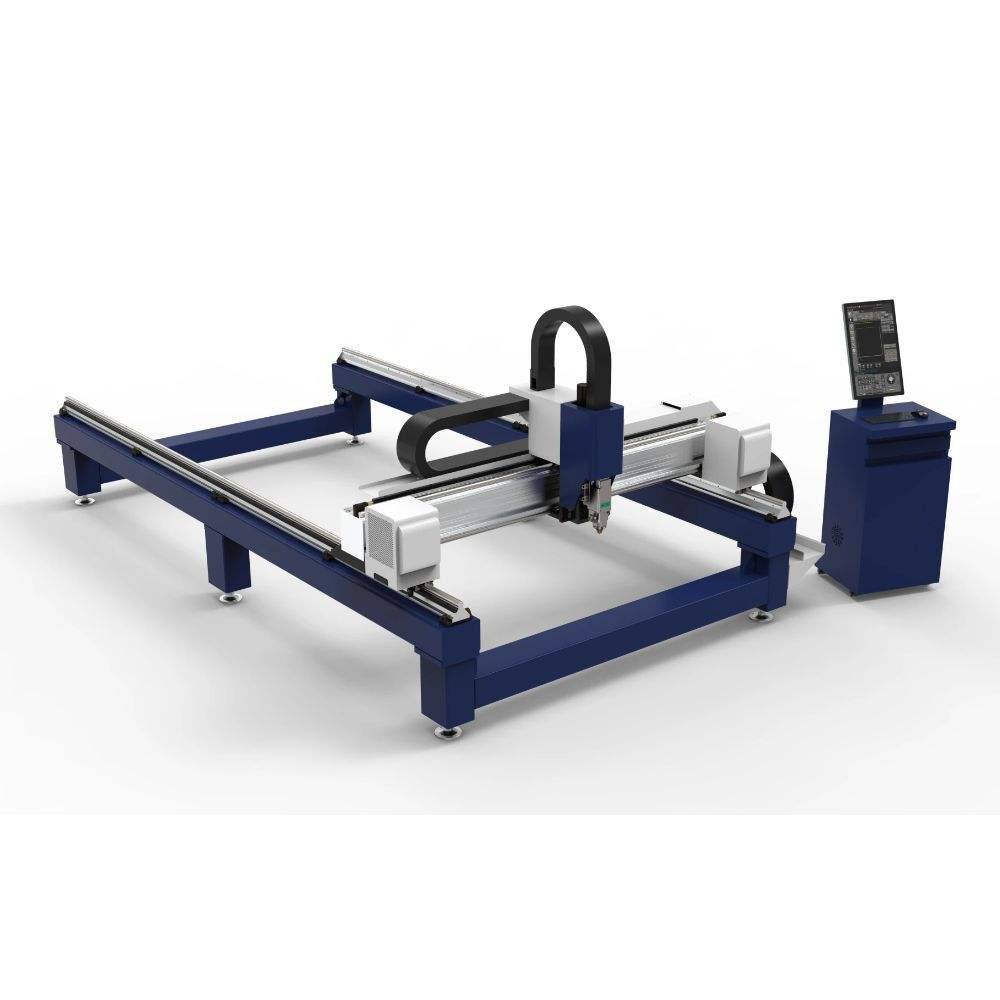
 laser cutting machine” style=”width: 100%; max-width: 800px; height: auto; margin: 20px 0;”>
Technical Specifications and the 1.5kW Power Advantage
Fiber Laser Source Dynamics
At the heart of the 1.5kW system is the fiber laser source. Unlike CO2 lasers that use a gas mixture and mirrors, fiber lasers generate the beam through a doped optical fiber and deliver it via a flexible fiber optic cable. This results in a beam with a much smaller focal spot and higher energy density. For stainless steel, which has a specific thermal conductivity and reflectivity, the 1.07-micron wavelength of a fiber laser is absorbed much more efficiently than the 10.6-micron wavelength of a CO2 laser. This efficiency allows a 1.5kW fiber system to outperform a 3kW CO2 system in thinner materials, particularly in the 1mm to 4mm range.
Precision Motion Control and CNC Integration
Precision is not merely a function of the laser power but also the mechanical stability of the gantry and the sophistication of the CNC (Computer Numerical Control) system. In Puebla’s high-output environments, 1.5kW machines are typically equipped with high-torque servo motors and precision rack-and-pinion or ball-screw drives. These components ensure that the laser cutting head can move at high speeds—often exceeding 60 meters per minute in rapid traverse—while maintaining positioning accuracies within ±0.03mm. This level of repeatability is essential for the automotive components manufactured for the Volkswagen and Audi plants located in the region.
Optimizing Stainless Steel Fabrication in Puebla
Material Grades and Their Cutting Characteristics
Stainless steel is not a monolithic material; its behavior during laser cutting varies significantly between grades. In the Puebla industrial corridor, the most common grades are 304 and 316, often used in food processing equipment and chemical storage. Grade 304 is highly versatile but requires precise gas management to prevent oxidation. Grade 316, containing molybdenum, is slightly more resistant to heat, requiring the laser to maintain a consistent energy profile to avoid “dross” or slag buildup on the underside of the cut. A 1.5kW system provides the fine-tuned pulse control necessary to manage these thermal variations without warping the workpiece.
The Critical Role of Assist Gases
When cutting stainless steel, the choice of assist gas is paramount. While oxygen can be used for carbon steel to add exothermic energy, it is generally avoided for high-quality stainless steel because it causes oxidation (blackening) of the cut edge. Nitrogen is the standard choice for precision laser cutting in Puebla. By using high-pressure nitrogen (often between 12 and 20 bar), the laser melts the material, and the gas mechanically blows the molten metal out of the kerf. This results in a “bright” or “clean” edge that requires no secondary finishing, a critical requirement for medical devices or high-end kitchenware produced in the region.
Operational Parameters for 1.5kW Systems
Focal Position and Nozzle Selection
Achieving a “burr-free” cut on stainless steel with a 1.5kW system requires meticulous adjustment of the focal position. Unlike mild steel, where the focus is typically on the surface, stainless steel often requires a “negative focus,” where the focal point is positioned inside or even near the bottom of the material. This ensures that the kerf is wide enough at the bottom for the nitrogen to clear the melt. Furthermore, the selection of the nozzle—typically a double-layered nozzle for high-pressure applications—is vital to stabilize the gas flow and protect the protective window of the laser head from back-splatter.
Feed Rates and Power Modulation
The relationship between feed rate and laser power is linear up to a certain threshold. For a 1.5kW system cutting 2mm stainless steel, a typical feed rate might range from 4 to 6 meters per minute depending on the desired edge quality. However, when navigating tight corners or intricate geometries—common in decorative architectural panels found in Puebla’s modern developments—the CNC must modulate the power. If the machine slows down for a corner but maintains 1.5kW of output, the heat input becomes too high, leading to “over-burn.” Modern systems use frequency modulation to reduce power in sync with speed, ensuring a uniform cut across the entire geometry.
Maintenance and Environmental Considerations in Puebla
Addressing Local Climate and Power Stability
Puebla’s altitude and climate present unique challenges for high-precision machinery. The relatively high altitude can affect cooling efficiency. Therefore, a 1.5kW laser cutting system must be paired with a high-quality industrial chiller that is rated for the local ambient temperature. Maintaining the laser source and the cutting head at a constant temperature (usually around 25°C) is essential to prevent thermal drift, which can compromise precision. Additionally, given the fluctuations in the local power grid, the use of a voltage stabilizer and a dedicated grounding system is highly recommended to protect the sensitive fiber optics and electronic components.
Routine Maintenance Protocols
To sustain precision over years of operation, a strict maintenance schedule is required. This includes:
- Optical Inspection: Daily checks of the protective lens for dust or burn spots.
- Lubrication: Weekly greasing of the linear guides to ensure smooth gantry movement.
- Gas Filtration: Ensuring the nitrogen supply is free of moisture and oil, which can contaminate the laser path and cause beam scattering.
- Chiller Maintenance: Monthly cleaning of filters and checking of coolant levels to prevent overheating of the 1.5kW source.
The Economic Impact of 1.5kW Lasers on Puebla’s Supply Chain
Reducing Lead Times for Automotive and Aerospace
In the “just-in-time” manufacturing environment of Puebla, lead times are a critical KPI. By bringing 1.5kW laser cutting capabilities in-house, local manufacturers can reduce their reliance on external vendors, cutting lead times from weeks to days. The ability to rapidly prototype stainless steel brackets, housings, and specialized tools allows Tier 1 suppliers to respond faster to design changes from OEMs like Volkswagen. The precision of the 1.5kW system ensures that these parts meet the rigorous quality audits common in the automotive sector.
Sustainability and Energy Efficiency
The 1.5kW fiber laser is remarkably energy-efficient. Fiber lasers have a wall-plug efficiency of approximately 30-35%, compared to the 10% efficiency of CO2 lasers. For a factory in Puebla, this translates to lower electricity bills and a smaller carbon footprint. Furthermore, because the 1.5kW system produces a narrow kerf, material utilization is maximized. Advanced nesting software can pack parts tightly on a stainless steel sheet, reducing scrap waste—a vital consideration given the high cost of stainless steel alloys.
Conclusion: The Future of Precision Fabrication in Puebla
The integration of 1.5kW precision laser systems marks a significant milestone in Puebla’s industrial evolution. By mastering the nuances of laser cutting on stainless steel, local fabricators are positioning themselves as competitive players in the global market. The combination of high-speed fiber technology, nitrogen-assisted precision, and robust CNC control allows for the production of components that were once thought impossible or too expensive to manufacture locally.
As the region continues to attract investment in electric vehicle (EV) manufacturing and aerospace engineering, the demand for high-precision, thin-to-medium gauge stainless steel work will only grow. The 1.5kW laser system provides the perfect balance of performance, cost, and reliability to meet these future challenges, ensuring that Puebla remains a powerhouse of Mexican manufacturing excellence.
















