
Introduction to 1.5kW Precision Laser Systems in the Mexican Industrial Sector
The industrial landscape of Mexico City (CDMX) and its surrounding metropolitan areas, such as Naucalpan and Tlalnepantla, has undergone a significant technological transformation. At the heart of this evolution is the 1.5kW precision fiber laser system. As a cornerstone of modern metal fabrication, the 1.5kW power rating represents a strategic “sweet spot” for small to medium-sized enterprises (SMEs) focusing on high-accuracy stainless steel components. This guide explores the technical intricacies, operational advantages, and localized considerations for implementing 1.5kW laser cutting technology within the unique environmental and economic context of Mexico’s capital.
Precision engineering in the 21st century demands a balance between power efficiency and edge quality. While higher-wattage systems exist, the 1.5kW fiber laser offers unparalleled stability for thin-to-medium gauge stainless steel, which is the primary material used in the region’s thriving medical device, food processing, and aerospace sectors. By leveraging solid-state fiber technology, these systems provide a maintenance-low, high-speed solution that far surpasses traditional CO2 or plasma methods in both cost-per-part and environmental footprint.
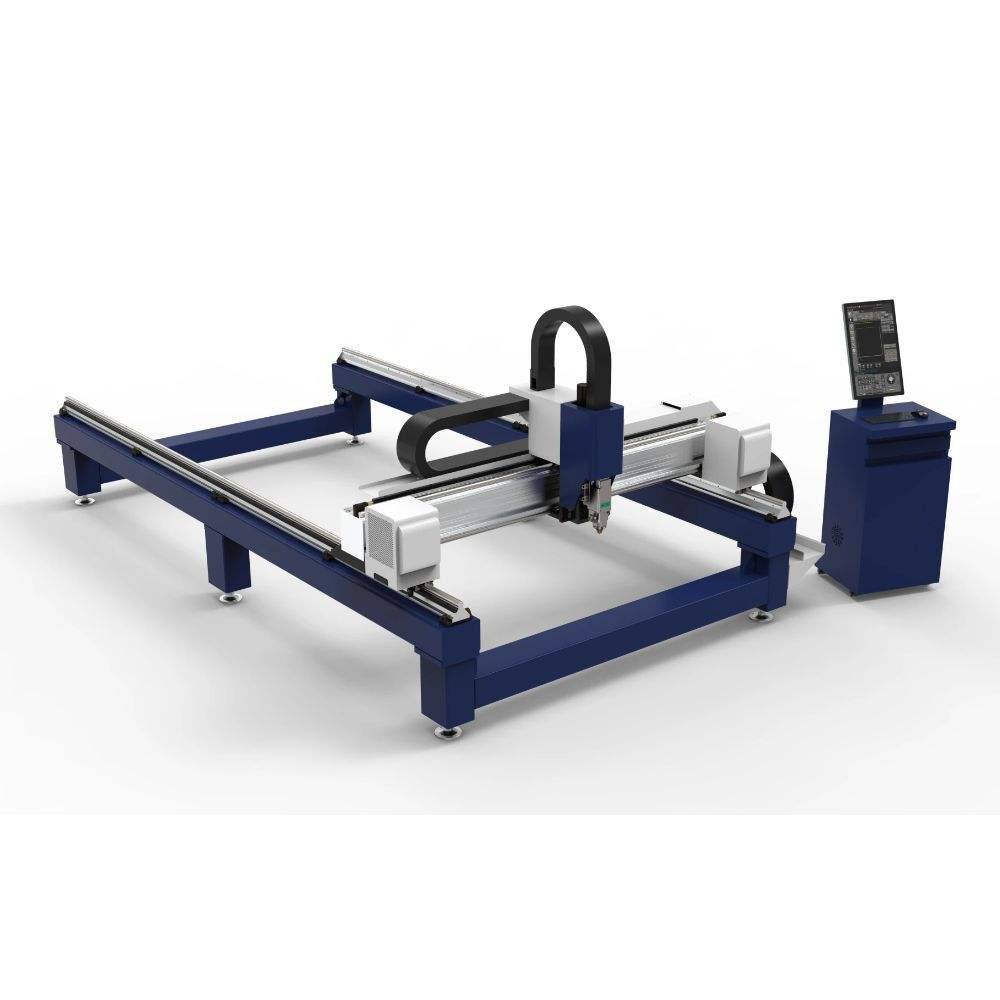
 laser cutting machine” style=”max-width: 100%; height: auto; margin: 20px 0;”>
Technical Specifications of the 1.5kW Fiber Resonator
The 1.5kW fiber laser operates at a wavelength of approximately 1.064 microns. This short wavelength is highly absorbable by metallic surfaces, particularly stainless steel, which allows for a concentrated energy density. The beam quality, often measured by the M² factor, is exceptionally high in these systems, typically staying below 1.1. This ensures a narrow kerf width and a minimal Heat-Affected Zone (HAZ), preserving the structural integrity and corrosion resistance of the stainless steel alloy.
Furthermore, the 1.5kW system utilizes a flexible fiber optic cable to deliver the beam from the resonator to the cutting head. This eliminates the need for complex mirror alignments found in older CO2 systems, a critical advantage in the high-vibration industrial zones of Mexico City. The absence of moving parts within the laser-generating source translates to a Mean Time Between Failure (MTBF) of over 100,000 hours, providing the reliability required for 24/7 production cycles.
Stainless Steel Fabrication: Material Dynamics and Challenges
Stainless steel, specifically Grades 304 and 316, is the standard for the pharmaceutical and culinary industries prevalent in the Valle de México. However, cutting these alloys requires a deep understanding of thermal conductivity and oxidation. The 1.5kW system is optimized for stainless steel thicknesses ranging from 0.5mm to 6mm. Within this range, the laser cutting process can achieve “clean cuts” or “bright finishes” that require zero post-processing or deburring.
The Role of Assist Gases: Nitrogen vs. Oxygen
In Mexico City’s high-altitude environment, the choice of assist gas is paramount. For stainless steel, Nitrogen is the preferred medium. Nitrogen acts as a shielding gas, preventing the molten metal from reacting with atmospheric oxygen. This results in a silver, oxide-free edge that is essential for components that will undergo subsequent welding or sterilization. A 1.5kW system requires high-pressure Nitrogen (up to 20-25 bar) to effectively purge the melt pool at high speeds.
Conversely, while Oxygen can be used to cut thicker sections of stainless steel by inducing an exothermic reaction, it leaves a dark, oxidized layer. For the precision-oriented workshops in CDMX, where aesthetic and sanitary standards are non-negotiable, the 1.5kW system’s ability to maintain high-speed Nitrogen cutting on 3mm-4mm plates is its most valuable asset.
Operational Considerations for Mexico City’s Altitude
Operating a precision 1.5kW laser cutting system in Mexico City presents unique geographical challenges. At an elevation of approximately 2,240 meters above sea level, the atmospheric pressure is significantly lower than at sea level. This affects the cooling efficiency of the laser’s chiller system and the fluid dynamics of the assist gases.
Cooling and Thermal Management
Fiber lasers are highly efficient, but they still generate heat that must be dissipated. In the thinner air of CDMX, air-cooled chillers may experience a 10-15% reduction in heat exchange efficiency. Engineers must ensure that the chiller units paired with the 1.5kW system are slightly oversized or equipped with high-performance compressors to maintain the resonator and cutting head at a constant 22°C to 25°C. Stability in temperature is directly linked to the stability of the laser wavelength and, consequently, the precision of the cut.
Gas Flow and Nozzle Dynamics
The lower atmospheric pressure also influences the behavior of the gas jet as it exits the nozzle. To compensate, operators often need to fine-tune the nozzle diameter and the standoff distance (the gap between the nozzle and the workpiece). A 1.5kW system typically uses double-layer nozzles for stainless steel to stabilize the gas flow, ensuring that the kinetic energy of the Nitrogen is sufficient to clear the kerf despite the lower ambient pressure.
Optimizing 1.5kW Laser Cutting Parameters
Achieving the perfect cut on stainless steel involves a delicate calibration of power, speed, and focal position. For a 1.5kW system, the following parameters are generally considered the baseline for Grade 304 stainless steel:
- 1mm Thickness: Cutting speed of 25-30 m/min, Nitrogen pressure of 12 bar, focal position at -0.5mm.
- 3mm Thickness: Cutting speed of 6-8 m/min, Nitrogen pressure of 18 bar, focal position at -2.5mm.
- 5mm Thickness: Cutting speed of 1.5-2.2 m/min, Nitrogen pressure of 22 bar, focal position at -4.0mm.
The “focal position” refers to where the laser beam is most concentrated relative to the surface of the material. For stainless steel, a “negative focus” (focusing inside the material) is often used to broaden the kerf slightly at the bottom, allowing the high-pressure gas to eject the molten metal more cleanly.
Software Integration and Nesting
To maximize the ROI of a 1.5kW system in the competitive Mexico City market, advanced CAD/CAM software is essential. Precision laser cutting is not just about the machine, but how the material is utilized. Nesting algorithms can reduce stainless steel scrap by up to 20%, a significant saving given the fluctuating prices of nickel and chromium alloys. Modern controllers used in these systems allow for “fly cutting,” where the laser head moves in a continuous path without stopping between holes, drastically reducing cycle times for perforated sheets or complex gaskets.
Maintenance Protocols for Longevity
The industrial zones of CDMX can be prone to dust and power fluctuations. To protect a 1.5kW precision laser, a strict maintenance regimen must be followed. This includes daily inspections of the protective window (the sacrificial lens that protects the internal optics) and weekly cleaning of the machine rails and gantry.
Given the susceptibility of the Mexican power grid to surges during the rainy season, the installation of a high-capacity voltage stabilizer and an isolation transformer is mandatory. These components protect the sensitive electronics of the fiber source and the CNC controller from voltage spikes that could lead to costly downtime. Furthermore, the use of deionized water in the cooling system, treated with specialized algaecides, prevents internal scaling and maintains optimal flow rates through the laser source.
Economic Impact and ROI for Local Workshops
For a fabrication shop in Mexico City, transitioning from traditional machining or lower-tier plasma cutting to a 1.5kW fiber laser cutting system offers a rapid Return on Investment (ROI). The precision of the fiber laser eliminates the need for secondary finishing, which reduces labor costs—a significant factor in the Mexican manufacturing sector. Furthermore, the energy efficiency of the 1.5kW fiber source (consuming roughly 15-18kW of total wall-plug power) is nearly three times higher than that of an equivalent CO2 laser.
The ability to offer high-precision stainless steel components allows local shops to move up the value chain, transitioning from simple structural work to complex assemblies for the automotive plants in Puebla or the aerospace clusters in Querétaro. In a globalized economy, the 1.5kW laser provides the “Made in Mexico” label with the competitive edge of European or Asian precision standards.
Conclusion
The 1.5kW precision laser system is more than just a tool; it is a catalyst for industrial growth in Mexico City. By mastering the nuances of stainless steel fabrication—from gas dynamics at high altitudes to the optimization of fiber optics—local manufacturers can achieve world-class results. As the demand for high-quality, corrosion-resistant components continues to rise across North America, the 1.5kW laser cutting system stands as the definitive solution for precision, efficiency, and long-term viability in the heart of Mexico’s industrial engine.
















