
Introduction to 1.5kW Precision Laser Systems in Queretaro’s Industrial Landscape
The industrial sector in Queretaro has experienced an unprecedented metamorphosis over the last decade, evolving into a premier hub for aerospace, automotive, and high-tech manufacturing. At the heart of this evolution is the demand for high-precision fabrication tools. The 1.5kW precision laser system stands out as the definitive workhorse for medium-gauge metal processing, particularly when dealing with the complexities of galvanized steel. As Queretaro-based workshops transition from traditional mechanical shearing to advanced fiber laser technology, understanding the technical nuances of the 1.5kW power class becomes essential for maintaining a competitive edge in the Bajío region.
A 1.5kW fiber laser offers a unique balance of electrical efficiency, beam quality, and throughput. While higher wattage systems exist, the 1.5kW threshold is often the “sweet spot” for precision components where heat-affected zones (HAZ) must be minimized. In the context of laser cutting, this power level provides enough energy density to vaporize steel while remaining controllable enough to prevent the delamination of protective coatings on galvanized materials.
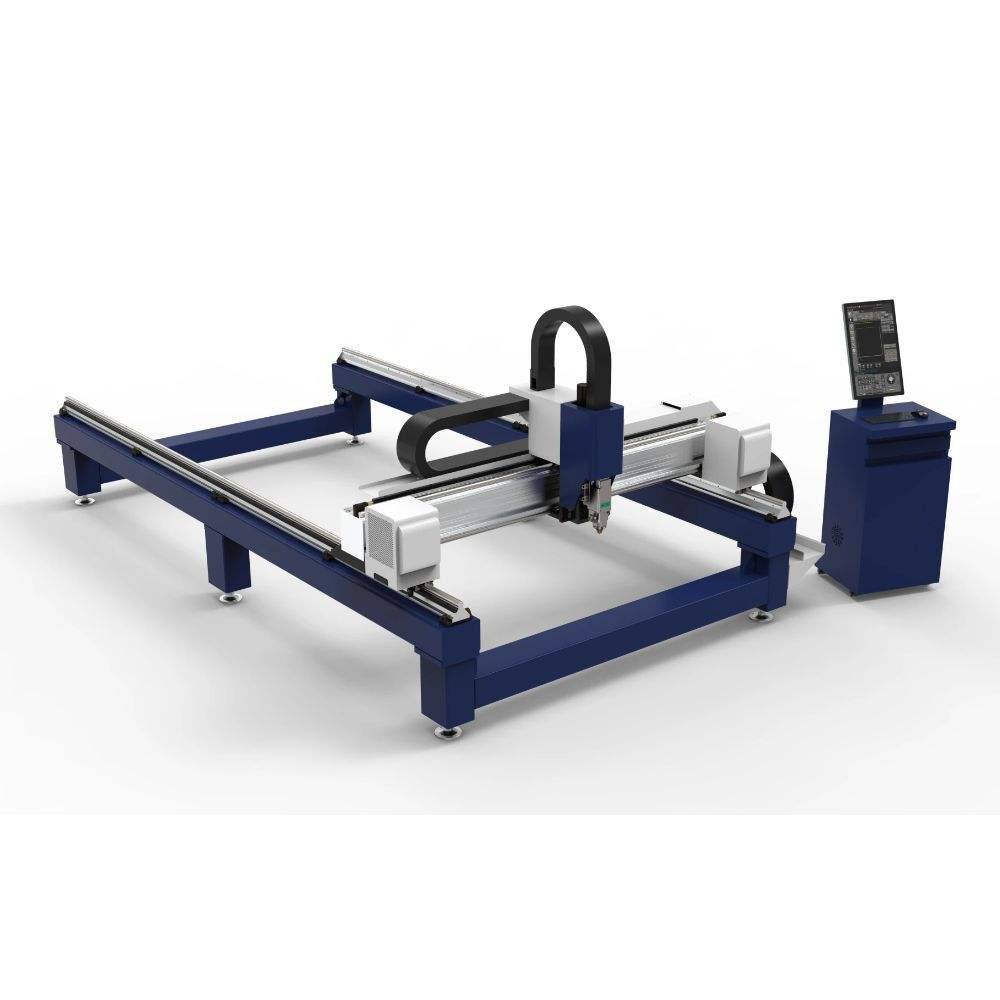
 laser cutting machine for Galvanized Steel” style=”width: 100%; max-width: 800px; height: auto; margin: 20px 0;”>
The Technical Advantage of Fiber Laser Technology
The 1.5kW precision system utilizes a fiber laser source, where the laser beam is generated in an active optical fiber and delivered via a flexible transport fiber to the cutting head. This architecture is inherently more robust than CO2 alternatives, especially in the dusty or thermally fluctuating environments sometimes found in industrial parks across Queretaro. The wavelength of a fiber laser—typically around 1.06 microns—is ten times shorter than that of a CO2 laser, allowing for much higher absorption rates in metals. This is particularly advantageous for galvanized steel, which can be slightly more reflective due to its zinc coating.
Precision is further enhanced by the integration of high-speed CNC controllers and linear drive systems. When performing laser cutting at 1.5kW, the machine must maintain a constant focal point relative to the material surface. In Queretaro’s competitive manufacturing tiers, the ability to hold tolerances within +/- 0.05mm is not just a luxury; it is a requirement for Tier 1 and Tier 2 automotive suppliers.
Processing Galvanized Steel: Challenges and Solutions
Galvanized steel is a staple in the construction and automotive industries of Central Mexico due to its superior corrosion resistance. However, it presents specific challenges for laser cutting. The zinc coating has a significantly lower melting point (approx. 419°C) than the base steel (approx. 1370°C). During the cutting process, the zinc tends to vaporize before the steel melts, which can lead to turbulence in the melt pool and potential contamination of the laser nozzle.
Managing Zinc Vaporization and Fumes
When the 1.5kW laser interacts with the galvanized surface, the zinc layer creates a high-pressure vapor. If not managed correctly, this vapor can interfere with the assist gas flow, resulting in “dross” or slag at the bottom of the cut. To combat this, precision systems in Queretaro utilize specialized nozzle geometries and high-pressure nitrogen as an assist gas. Nitrogen serves a dual purpose: it cools the surrounding material to prevent the zinc from burning away from the edge, and it mechanically blows the molten steel out of the kerf before the zinc vapor can cause turbulence.
Furthermore, the health and safety regulations in Mexico (NOM standards) require stringent fume extraction. The vaporization of zinc produces zinc oxide fumes, which are hazardous if inhaled. Modern 1.5kW systems are equipped with high-volume dust collectors and filtration units specifically designed to capture these fine particles, ensuring a safe working environment for operators in Queretaro’s busy industrial zones.
Optimizing Cutting Parameters for 1.5kW
For galvanized steel, the 1.5kW system is typically optimized for thicknesses ranging from 0.5mm to 4.0mm. Within this range, the laser can achieve high feed rates while maintaining a clean, burr-free edge. Engineering teams must calibrate the “frequency” and “duty cycle” of the laser pulse. High-frequency pulsing is often used when navigating tight corners or intricate geometries to prevent heat buildup that would otherwise destroy the galvanized coating’s integrity at the corners.
The Queretaro Context: Why 1.5kW is the Local Standard
Queretaro’s industrial strategy focuses heavily on high-mix, low-volume (HMLV) production. Unlike the massive commodity-scale plants in the north of Mexico, the Bajío region thrives on specialized engineering. The 1.5kW precision laser system fits this model perfectly. It offers a lower capital expenditure (CAPEX) compared to 6kW or 12kW “behemoths,” making it accessible for medium-sized enterprises (SMEs) that serve as the backbone of the local supply chain.
Energy Efficiency and Operational Costs
In Queretaro, energy costs are a significant factor in operational overhead. Fiber lasers are notoriously efficient, converting approximately 30-35% of electrical input into laser light. A 1.5kW system draws significantly less power than older plasma or CO2 systems, allowing shops to maximize their “output per kilowatt-hour.” This efficiency is a key selling point for companies looking to achieve green manufacturing certifications, which are increasingly demanded by international partners located in the Queretaro Aerospace Park.
Integration with Local Industry 4.0 Initiatives
The state government of Queretaro has been a vocal proponent of Industry 4.0. Modern 1.5kW laser cutting machines are now equipped with IoT-enabled sensors that monitor everything from gas consumption to nozzle wear. By integrating these machines into a local ERP system, Queretaro manufacturers can achieve real-time tracking of galvanized steel components as they move from the laser bed to the assembly line. This level of data transparency is vital for the traceability requirements of the aerospace sector.
Maintenance and Longevity of Precision Systems
To maintain the “precision” aspect of a 1.5kW laser, a strict maintenance regimen is required, especially when processing galvanized materials. The zinc residue mentioned earlier can accumulate on the protective window of the laser head. If not cleaned, this residue will absorb laser energy, heat up, and eventually crack the lens, leading to costly downtime.
The Role of Assist Gases
In Queretaro, the purity of assist gases—Nitrogen and Oxygen—is paramount. For galvanized steel, Nitrogen purity should ideally be 99.99% or higher. Using low-quality gas can lead to oxidation of the cut edge, which defeats the purpose of using galvanized steel in the first place, as the edge would become a focal point for rust. Many shops in the region are now investing in on-site Nitrogen generators to ensure consistent gas quality and reduce the logistical headaches of cylinder delivery.
Cooling and Thermal Stability
The semi-arid climate of Queretaro can present challenges regarding ambient temperature fluctuations. Precision laser cutting requires a stable thermal environment for the laser source and the chiller. High-quality 1.5kW systems use dual-circuit chillers that independently regulate the temperature of the laser source and the cutting head. This prevents thermal expansion of the optical components, ensuring that the laser beam remains perfectly focused even during long production shifts during the hot summer months in the Bajío.
Conclusion: The Future of Metal Fabrication in the Bajío
The 1.5kW precision laser system represents more than just a piece of machinery; it is a catalyst for industrial sophistication in Queretaro. By mastering the laser cutting of galvanized steel, local manufacturers can offer high-durability components to the automotive, HVAC, and electronics industries with unprecedented speed and accuracy. As the region continues to attract foreign direct investment, the reliance on high-precision, efficient, and versatile laser systems will only grow.
For engineering firms and fabrication shops in Queretaro, the transition to 1.5kW fiber technology is a strategic move toward long-term viability. It provides the capability to handle the most demanding materials while keeping operational costs under control. As we look toward the future, the integration of smarter software, better gas management, and localized technical support will ensure that Queretaro remains at the forefront of Mexico’s manufacturing excellence.
Final Technical Considerations for Operators
When deploying a 1.5kW system for galvanized projects, always prioritize the following:
- Nozzle Selection: Use double-layer nozzles to stabilize the gas flow.
- Lead-in Strategy: Use circular lead-ins to prevent “blow-through” at the start of the cut.
- Surface Preparation: Ensure the galvanized sheet is flat and free of heavy oils to maintain consistent focal height.
By adhering to these professional standards, Queretaro’s manufacturing sector will continue to set the benchmark for quality in the North American market.
















