Introduction to 1.5kW Precision Laser Systems in Tijuana’s Industrial Landscape
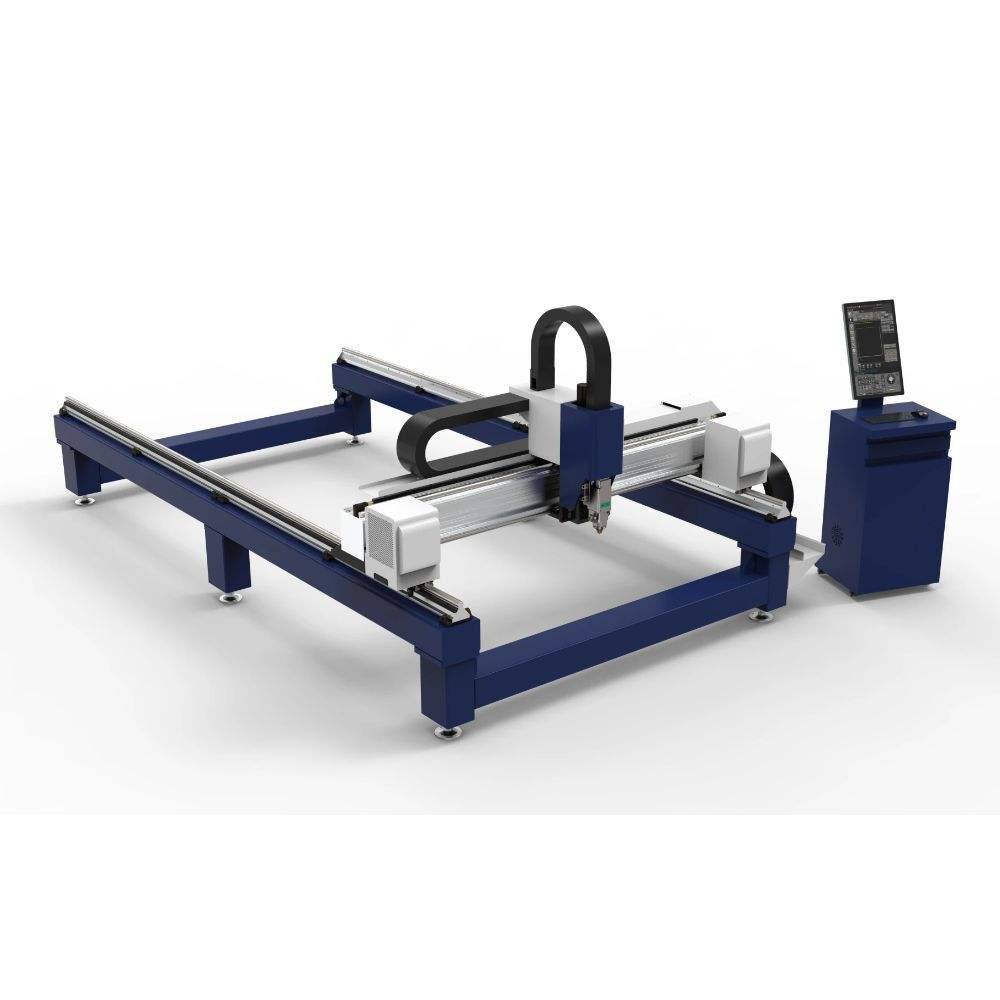
The manufacturing sector in Tijuana, Baja California, has undergone a significant transformation over the last decade. As a primary hub for the “Maquiladora” industry, the region demands high-efficiency tools that bridge the gap between cost-effectiveness and extreme precision. The 1.5kW precision laser system has emerged as the industry standard for small to medium-scale fabrication shops and large-scale automotive suppliers alike. When processing carbon steel, this specific power rating offers a unique balance of thermal control and throughput speed.
The 1.5kW fiber laser utilizes a solid-state gain medium, which is significantly more efficient than traditional CO2 counterparts. In the context of laser cutting, the 1.5kW source provides a high-quality beam with a low M2 factor, ensuring that the energy is concentrated into a microscopic spot size. This concentration is vital for maintaining tight tolerances in carbon steel components used in Tijuana’s burgeoning aerospace and medical device sectors.
 laser cutting machine” style=”width: 100%; max-width: 800px; height: auto; margin: 20px 0;”>
Technical Dynamics of Carbon Steel Processing
Carbon steel is one of the most widely used materials in the Tijuana industrial corridor, found in everything from structural brackets to intricate automotive parts. Processing this material with a 1.5kW laser requires a deep understanding of the material’s thermal conductivity and its reaction to high-intensity light. Carbon steel has a high absorption rate for the 1.07-micron wavelength produced by fiber lasers, making the laser cutting process highly efficient compared to reflective metals like aluminum or copper.
Thermal Management and the Heat-Affected Zone (HAZ)
One of the primary challenges in precision fabrication is minimizing the Heat-Affected Zone (HAZ). At 1.5kW, the laser provides enough energy to vaporize the steel rapidly, but the speed must be calibrated to prevent excessive heat soak into the surrounding material. In carbon steel, excessive heat can lead to hardening of the edges or dross accumulation on the underside of the cut. By utilizing high-frequency pulsing and optimized feed rates, operators in Tijuana can achieve “burr-free” edges that require no secondary finishing, a critical requirement for “Just-in-Time” (JIT) manufacturing workflows across the border.
The Role of Assist Gases: Oxygen vs. Nitrogen
The choice of assist gas is pivotal when working with 1.5kW systems on carbon steel. For thicknesses exceeding 3mm, Oxygen is typically used as the assist gas. The Oxygen reacts exothermically with the molten steel, adding thermal energy to the cut and allowing the 1.5kW laser to penetrate up to 12mm or 14mm of mild steel. However, this results in an oxidized edge. For thinner gauges where a clean, weld-ready edge is required, Nitrogen or high-pressure compressed air is used. While Nitrogen requires more laser power to maintain speed, the 1.5kW system is robust enough to handle gauges up to 4mm with Nitrogen, providing a bright, oxide-free finish.
Optimizing 1.5kW Systems for the Tijuana Environment
Tijuana’s unique geography—characterized by its coastal proximity and high industrial density—presents specific environmental challenges for precision laser cutting equipment. Humidity and power grid fluctuations are two variables that engineers must account for when installing a 1.5kW system in areas like Otay Mesa or El Florido.
Humidity and Optics Protection
High humidity can lead to condensation on the external optics or within the laser source cabinet. Precision 1.5kW systems designed for this region often feature sealed optical paths and integrated dehumidifiers within the power supply units. Maintaining the “clean room” integrity of the cutting head is paramount; even a microscopic dust particle, common in the busy industrial zones of Tijuana, can cause “thermal lensing,” where the lens heats up unevenly and shifts the focal point, ruining the precision of the cut.
Electrical Stability and Grounding
The electrical infrastructure in rapidly growing industrial parks can sometimes experience voltage sags or spikes. For a 1.5kW laser, which relies on sensitive diode banks, a high-quality voltage stabilizer and an isolated grounding circuit are essential. Engineering teams in Tijuana frequently implement uninterruptible power supplies (UPS) to ensure that a sudden power dip does not result in a “lost sheet”—a scenario where a partially cut sheet of carbon steel becomes scrap because the machine lost its coordinates.
Operational Parameters for Carbon Steel
To maximize the utility of a 1.5kW system, operators must master the relationship between focal position, nozzle diameter, and gas pressure. For carbon steel, the focal point is usually positioned slightly above or at the surface of the material to facilitate a wider kerf that allows the assist gas to blow out the molten slag efficiently.
Nozzle Selection and Centering
A double-layer nozzle is standard for Oxygen-assisted laser cutting of carbon steel. The 1.5kW beam must be perfectly centered within the nozzle orifice. Even a slight misalignment will cause the assist gas to flow asymmetrically, leading to “striations” or rough marks on one side of the cut. In the competitive Tijuana market, where many shops serve as Tier 2 or Tier 3 suppliers to US OEMs, these visual defects can lead to rejected batches.
Piercing Strategies
Piercing is often the most time-consuming part of the laser cutting cycle for thicker carbon steel. A 1.5kW system utilizes “stage piercing,” where the laser starts at a low duty cycle with high gas pressure to create a small pilot hole, gradually increasing power as it penetrates deeper. This prevents “cratering” or “blowouts,” ensuring that the start of the cut is as precise as the rest of the geometry.
Economic Impact and ROI for Tijuana Fabricators
The 1.5kW laser system represents a “sweet spot” for Return on Investment (ROI). While 10kW or 20kW machines offer incredible speeds for thick plate, they come with significantly higher acquisition and operational costs. For the majority of carbon steel fabrication in Tijuana—which focuses on enclosures, brackets, automotive frames, and HVAC components—the 1.5kW system provides sufficient speed without the massive overhead of high-power consumption and expensive gas requirements.
Furthermore, the maintenance of a 1.5kW fiber laser is relatively straightforward. Unlike CO2 lasers that require mirror alignments and gas refills for the resonator, the fiber source is virtually maintenance-free for up to 100,000 hours. This reliability is a major advantage for Tijuana shops that may have limited access to specialized service technicians on short notice, though the region’s growing tech ecosystem is rapidly improving service availability.
Maintenance Protocols for Precision Longevity
To maintain the “precision” aspect of a 1.5kW system, a rigorous maintenance schedule is required. This is especially true in the carbon steel industry, where the cutting process generates significant fine dust and iron oxide particles.
Chiller Maintenance
The laser source and the cutting head are water-cooled. In the warm climate of Tijuana, the chiller must work efficiently to maintain a constant temperature (usually around 22-25°C). Any fluctuation in temperature can cause the laser wavelength to shift slightly or cause the optics to expand, affecting the focus. Using deionized water and changing filters monthly is a non-negotiable task for local operators.
Slat Bed Cleaning
For carbon steel laser cutting, the slag buildup on the copper or steel slats can reflect the laser beam back onto the underside of the workpiece, causing “back-reflection” damage. Regular cleaning or replacement of the slats ensures that the workpiece remains level and that the precision of the Z-axis sensor (which maintains the distance between the nozzle and the plate) is not compromised by a warped or uneven bed.
Conclusion: The Future of Precision Fabrication in Baja
As Tijuana continues to solidify its position as a global manufacturing powerhouse, the adoption of 1.5kW precision laser systems will only accelerate. The ability to process carbon steel with high accuracy, low waste, and minimal secondary processing makes this technology indispensable. By understanding the technical nuances of laser cutting—from gas dynamics to environmental stabilization—Tijuana’s engineering firms can continue to deliver world-class components to the global market, ensuring the region remains at the forefront of industrial innovation.