
The Strategic Advantage of 1.5kW Precision Laser Systems in Queretaro
In the heart of Mexico’s industrial Bajío region, Queretaro has emerged as a premier hub for aerospace, automotive, and heavy manufacturing. The demand for high-precision components has never been greater, and the 1.5kW precision laser system has become a cornerstone technology for local fabrication shops. This power level represents a critical balance between capital investment and operational capability, particularly when processing carbon steel—the backbone of the region’s structural and mechanical engineering projects.
The transition from traditional CO2 systems to fiber laser cutting has revolutionized how Queretaro-based engineers approach production. A 1.5kW fiber laser offers superior beam quality and a wavelength of approximately 1.07 microns, which is more efficiently absorbed by metallic surfaces compared to the 10.6 microns of CO2 lasers. This efficiency translates directly into faster processing speeds and reduced energy consumption, making it an ideal solution for the competitive manufacturing landscape of central Mexico.
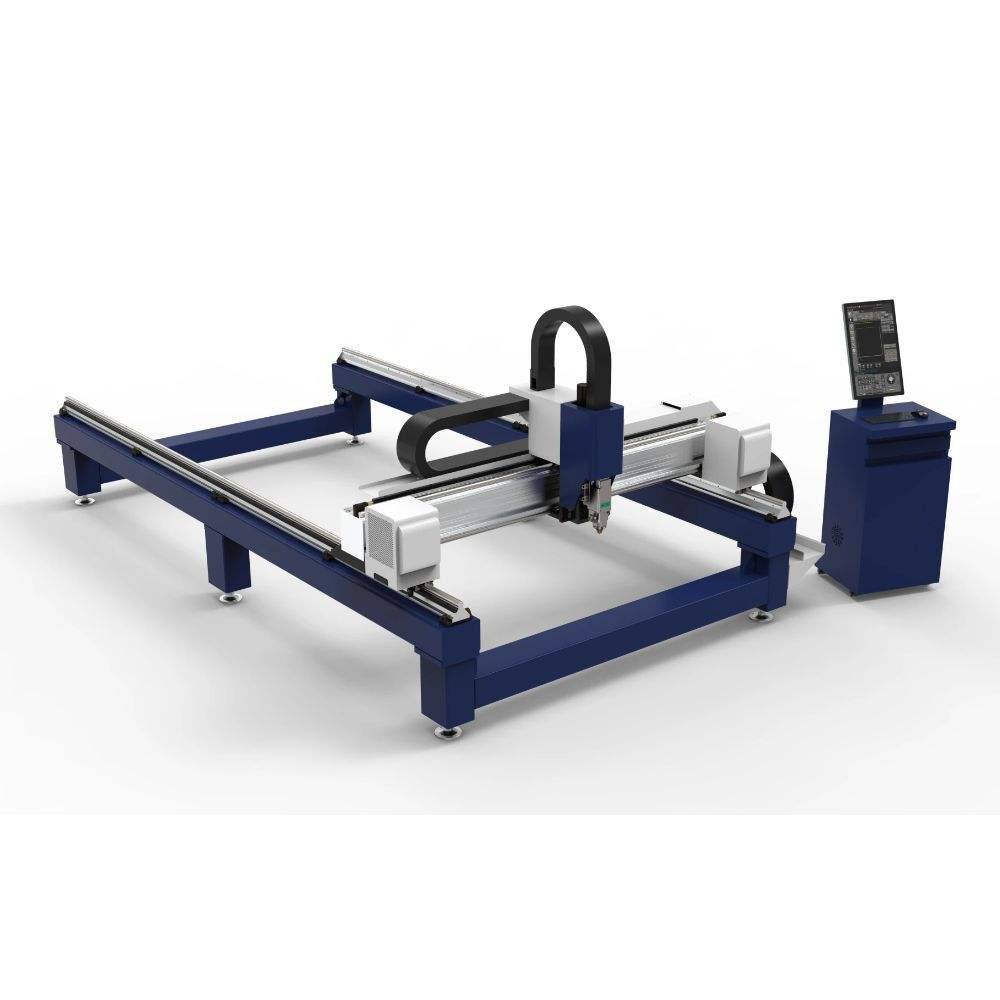
Understanding Fiber Laser Efficiency in Carbon Steel Processing
Carbon steel, ranging from low-carbon A36 to high-strength alloys, remains the most widely processed material in Queretaro’s industrial parks. A 1.5kW system is optimized for precision in the 1mm to 12mm thickness range. While higher wattage machines exist, the 1.5kW resonator provides a smaller focal spot size, which is essential for intricate geometries and tight tolerances required by automotive Tier 1 and Tier 2 suppliers.
The physics of laser cutting carbon steel involves a thermo-chemical reaction. When utilizing oxygen as an assist gas, the laser initiates the melt, and the oxygen reacts with the iron in the steel to create an exothermic reaction. This adds significant thermal energy to the process, allowing a 1.5kW machine to pierce and cut through thicker plates than would be possible with inert gases alone. For the precision engineering firms in Queretaro, mastering this balance between laser power and gas pressure is key to achieving a dross-free finish.
Technical Specifications and Beam Dynamics
A precision 1.5kW system is defined not just by its raw power, but by its Beam Parameter Product (BPP). A lower BPP indicates a beam that can be focused to a smaller, more intense spot. For carbon steel applications, this means a narrower kerf width and a smaller Heat Affected Zone (HAZ). In the high-altitude environment of Queretaro, where atmospheric pressure is lower than at sea level, the stability of the laser beam and the efficiency of the cooling system are paramount.
The Role of the CNC Controller and Drive Systems
To achieve true precision, the 1.5kW laser must be paired with high-performance motion control. Modern systems utilized in Queretaro often feature linear motors or high-precision rack-and-pinion drives capable of micron-level positioning. The integration of sophisticated CNC software allows for real-time adjustments of laser power based on the feed rate—a process known as power ramping. This prevents over-burning at corners and ensures that the laser cutting process remains consistent across complex paths.
 laser cutting machine” style=”width: 100%; max-width: 800px; height: auto; margin: 20px 0;”>
Optimizing Assist Gas for Regional Material Grades
In the Mexican market, carbon steel quality can vary. Precision laser cutting requires consistent material chemistry. When processing A36 or 1018 steel in Queretaro, the choice of assist gas—Oxygen (O2) versus Nitrogen (N2)—is a strategic decision. Oxygen is typically used for carbon steel thicknesses above 3mm to leverage the exothermic reaction, resulting in faster speeds. However, this leaves a thin oxide layer on the cut edge. For components destined for Queretaro’s aerospace sector, where paint adhesion or welding integrity is critical, Nitrogen may be used to achieve a “clean cut” or oxide-free edge, though this requires higher pressures and careful management of the 1.5kW power envelope.
Operational Excellence in the Queretaro Industrial Corridor
Operating a 1.5kW laser system in Queretaro presents unique environmental challenges. The region’s semi-arid climate and industrial dust levels necessitate robust filtration systems. Fiber lasers are sensitive to contamination; even microscopic particles on the protective window of the cutting head can lead to thermal lensing, which shifts the focal point and degrades cut quality. Engineering teams must implement rigorous preventive maintenance schedules to ensure the longevity of the optical path.
Altitude and Cooling Considerations
Queretaro sits at approximately 1,820 meters above sea level. This altitude affects the density of the air used in pneumatic systems and the efficiency of air-cooled chillers. For a 1.5kW laser cutting system, the chiller is a critical component that maintains the temperature of the laser source and the cutting head. Engineers must ensure that the cooling capacity is de-rated for altitude to prevent overheating during the hot summer months, ensuring the laser resonator operates within its optimal temperature window of 22°C to 25°C.
Economic Impact and ROI for Local Manufacturers
The 1.5kW fiber laser is often considered the “sweet spot” for Return on Investment (ROI) for small to medium-sized enterprises (SMEs) in Queretaro. Compared to 4kW or 6kW systems, the 1.5kW machine has a significantly lower entry price and lower operational costs. For a shop primarily focused on carbon steel brackets, enclosures, and automotive components under 10mm, the 1.5kW system delivers comparable throughput for a fraction of the electrical cost.
Throughput and Nesting Efficiency
Maximizing the utility of a laser cutting system involves more than just fast head movement. Advanced nesting software integrated with the 1.5kW system allows Queretaro fabricators to minimize material waste—a vital factor given the fluctuating prices of raw carbon steel. Features like common-line cutting and bridge nesting reduce the number of pierces required, which not only saves time but also extends the life of the consumables, such as nozzles and ceramics.
Future-Proofing Fabrication with 1.5kW Technology
As Queretaro continues to transition toward Industry 4.0, the 1.5kW precision laser system is evolving. Integration with IoT sensors allows for remote monitoring of machine health, gas consumption, and cutting efficiency. For local engineers, this means the ability to predict failures before they occur and to optimize the laser cutting parameters based on historical data. The precision offered by these systems enables the production of parts that require no secondary finishing, directly supporting the “just-in-time” manufacturing models adopted by the region’s major assembly plants.
Conclusion: The Path Forward for Carbon Steel Fabrication
The 1.5kW precision laser system is more than just a tool; it is a strategic asset for any fabrication business in Queretaro looking to compete on a global scale. By focusing on the specific requirements of carbon steel—understanding its thermal properties, optimizing gas delivery, and accounting for the local environment—manufacturers can achieve unprecedented levels of accuracy and efficiency. As the industrial landscape of the Bajío grows, the reliance on high-precision laser cutting will only intensify, cementing the 1.5kW system’s role as the workhorse of modern Mexican industry.
Whether it is producing structural components for new warehouses in the Jurica Industrial Park or precision shims for aerospace engines, the 1.5kW laser provides the versatility and reliability needed to meet the most stringent engineering standards. By investing in this technology and the specialized training required to master it, Queretaro’s manufacturing sector is well-positioned to lead the next wave of industrial innovation in North America.
















