
Optimizing Industrial Production: The 1.5kW Precision Laser System for Carbon Steel in Puebla
The industrial landscape of Puebla, Mexico, has undergone a significant transformation over the last decade. As a primary hub for the automotive and aerospace sectors, the demand for high-precision components has never been greater. At the center of this manufacturing evolution is the 1.5kW precision fiber laser system. This specific power rating represents a strategic “sweet spot” for many fabrication shops in the region, offering a balance between capital investment, operational costs, and the ability to process carbon steel with exceptional accuracy. For engineers and facility managers in Puebla’s industrial corridors—from Cuautlancingo to the Valsequillo zone—understanding the technical nuances of laser cutting is essential for maintaining a competitive edge.
The Technical Advantage of 1.5kW Fiber Technology
Fiber laser technology operates at a wavelength of approximately 1.064 micrometers, which is highly absorbable by metallic surfaces, particularly carbon steel. A 1.5kW system utilizes a bank of laser diodes to pump a specialized fiber optic cable, resulting in a beam with high power density and superior beam quality (M² factor). Unlike traditional CO2 lasers, which require complex mirror alignments and gas mixtures, the fiber laser provides a maintenance-free beam delivery system that is ideal for the rigorous environments of Puebla’s manufacturing plants.
In the context of laser cutting, the 1.5kW threshold is particularly effective for processing thin to medium-gauge carbon steel. While higher wattage machines exist, the 1.5kW unit excels in the 1mm to 10mm range, providing a narrow kerf width and a minimal heat-affected zone (HAZ). This precision is critical for Tier 2 and Tier 3 automotive suppliers who must adhere to stringent tolerances for brackets, structural reinforcements, and assembly components.
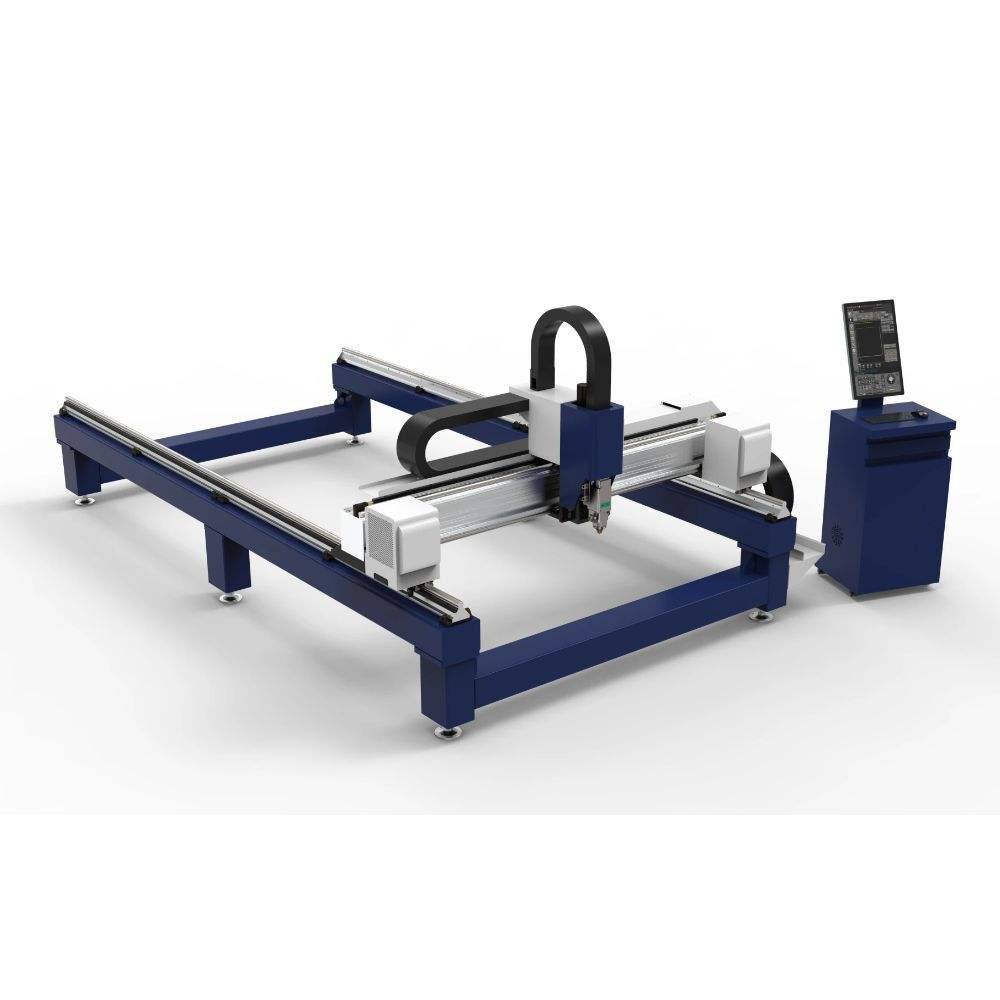
 laser cutting machine“>
Processing Carbon Steel: Metallurgical Considerations
Carbon steel is the backbone of the construction and automotive industries in Puebla. However, laser cutting this material requires a deep understanding of its thermal properties. Carbon steel has a relatively high thermal conductivity, meaning heat can dissipate quickly from the cut site if the laser parameters are not optimized. The 1.5kW system provides sufficient energy to reach the melting point of the steel rapidly, but the quality of the finish depends heavily on the assist gas and the material’s surface condition.
When cutting carbon steel, the choice of assist gas—typically Oxygen (O2) or Nitrogen (N2)—determines the chemical reaction at the cutting edge. For 1.5kW systems, Oxygen is frequently used as an exothermic assist gas. The oxygen reacts with the molten iron, adding thermal energy to the process and allowing for faster cutting speeds on thicker plates (up to 12mm in some configurations). However, this results in an oxidized edge that may require post-processing if the part is to be painted or welded. For thinner gauges where a “clean” edge is required, high-pressure Nitrogen can be used to blow away the molten material without oxidation, though this requires more power to maintain speed.
The Impact of Puebla’s Industrial Climate on Laser Operations
Operating high-precision machinery in Puebla presents unique environmental factors. The city’s altitude (approximately 2,135 meters above sea level) results in lower atmospheric pressure compared to coastal manufacturing sites. While fiber laser cutting is less affected by altitude than CO2 systems (which rely on gas-filled resonators), the cooling systems and pneumatic components must be rated for this environment. A 1.5kW system requires a robust industrial chiller to maintain the stability of the laser source and the cutting head. In Puebla’s temperate but occasionally dusty climate, ensuring that the chiller’s heat exchangers are clean and that the air filtration systems are high-performance is vital for preventing beam divergence and protecting the optics.
Precision Engineering and Kerf Management
The primary goal of using a 1.5kW system is precision. Laser cutting allows for the creation of intricate geometries that would be impossible with mechanical shearing or plasma cutting. Kerf management—the measurement of the material removed by the laser—is a critical parameter. In a 1.5kW system, the kerf is typically between 0.1mm and 0.3mm. This allows for extremely tight nesting of parts, which maximizes material utilization—a key factor in reducing waste and improving the bottom line for Puebla’s high-volume fabricators.
Furthermore, the CNC controllers integrated with these systems allow for sophisticated “lead-in” and “lead-out” strategies. These strategies prevent the “pierce point” from scarring the finished edge of the carbon steel part. For engineers in the automotive sector, where a burr-free finish is often a non-negotiable requirement, the 1.5kW laser’s ability to modulate power during cornering ensures that heat does not build up, preventing the rounding of sharp edges or the melting of fine details.
Operational Best Practices for Local Manufacturers
To maximize the lifespan of a 1.5kW laser cutting system in a professional setting, a strict maintenance protocol is required. Even though the fiber source itself is solid-state and has a lifespan often exceeding 100,000 hours, the peripheral components are subject to wear. The protective windows (cover slides) in the cutting head must be inspected daily. In carbon steel processing, “spatter” from the piercing process can contaminate the lens, leading to thermal lensing where the beam loses focus and quality degrades.
In Puebla, where the supply chain for consumables like nozzles and ceramics is well-established, there is no excuse for running a machine with degraded parts. Using the correct nozzle diameter for the specific thickness of carbon steel is paramount. A 1.5mm nozzle might be ideal for 3mm sheet, but moving to a 2.5mm or 3.0mm nozzle for thicker plate ensures that the assist gas flow is laminar and sufficient to clear the dross from the bottom of the cut.
Economic Viability and ROI in the Puebla Market
From a financial perspective, the 1.5kW laser cutting system offers a compelling Return on Investment (ROI) for small to medium enterprises (SMEs) in Puebla. The initial investment is significantly lower than that of 6kW or 12kW “ultra-high power” machines, yet the 1.5kW unit can handle 80% of the common tasks found in general metal fabrication. The energy efficiency of fiber technology—often boasting a wall-plug efficiency of 30% or higher—translates to lower electricity bills compared to older plasma or CO2 technologies.
Moreover, the speed of laser cutting compared to traditional methods reduces the “cost per part.” In a region like Puebla, where labor costs are rising and the demand for “just-in-time” (JIT) delivery is the standard for the automotive supply chain, the ability to rapidly switch between different carbon steel thicknesses and complex designs without changing physical tools is a massive advantage. Digital workflows, where CAD files are directly converted into cutting paths, allow local shops to respond to RFQs (Request for Quotes) faster than ever before.
Safety and Regulatory Standards
Any professional engineering environment in Mexico must adhere to safety standards, and laser cutting is no exception. A 1.5kW laser is a Class 4 laser product, capable of causing permanent eye damage and skin burns from direct or reflected radiation. In Puebla’s industrial parks, compliance with NOM (Normas Oficiales Mexicanas) regarding workplace safety is mandatory. This includes the use of fully enclosed machine housing with laser-safe viewing windows, interlocked doors, and specialized exhaust systems to remove the fine particulate matter and fumes generated during the oxidation of carbon steel.
Proper ventilation is particularly important when cutting carbon steel. The process generates iron oxide dust, which is not only a respiratory hazard but can also settle on electronic components, causing short circuits over time. High-quality dust collectors with HEPA filtration are standard requirements for any precision laser setup in a modern Puebla facility.
Conclusion: The Future of Fabrication in Puebla
The 1.5kW precision laser system is more than just a tool; it is a catalyst for industrial growth in Puebla. By providing the ability to process carbon steel with unmatched speed and accuracy, it enables local manufacturers to move up the value chain, transitioning from simple part production to complex assembly and precision engineering. As the automotive industry shifts toward electric vehicles and lighter structural components, the versatility of the 1.5kW fiber laser will remain a cornerstone of the region’s manufacturing prowess.
For businesses looking to integrate this technology, the focus must remain on technical training, parameter optimization, and rigorous maintenance. By mastering the variables of laser cutting—power, speed, gas pressure, and focal position—Puebla’s engineers can ensure that their facilities remain at the forefront of the global manufacturing stage, delivering high-quality carbon steel components that meet the rigorous demands of the 21st century.
















