Introduction to 1.5kW Laser Systems in Monterrey’s Industrial Sector
Monterrey, Nuevo León, stands as the industrial capital of Mexico, hosting a dense ecosystem of automotive, aerospace, and heavy machinery manufacturers. In this high-stakes environment, the 1.5kW precision laser system has emerged as the definitive tool for small-to-medium enterprise (SME) fabrication shops and Tier 2 suppliers. This specific power rating—1.5 kilowatts—offers a unique equilibrium between capital investment and operational capability, particularly when processing carbon steel, the backbone of the region’s construction and manufacturing sectors.
The Strategic Importance of Monterrey for Metal Fabrication
The “Regiomontano” industrial spirit is defined by efficiency and high-volume output. As nearshoring continues to drive global manufacturing toward Northern Mexico, local shops are under increasing pressure to deliver components with tighter tolerances and cleaner finishes. The adoption of 1.5kW fiber laser technology allows these shops to transition from traditional plasma or mechanical shearing to high-precision laser cutting. This transition is essential for meeting the international quality standards (ISO and ASTM) required by the multinational corporations operating in the Santa Catarina, Apodaca, and Guadalupe industrial corridors.
Technical Specifications of the 1.5kW Fiber Laser
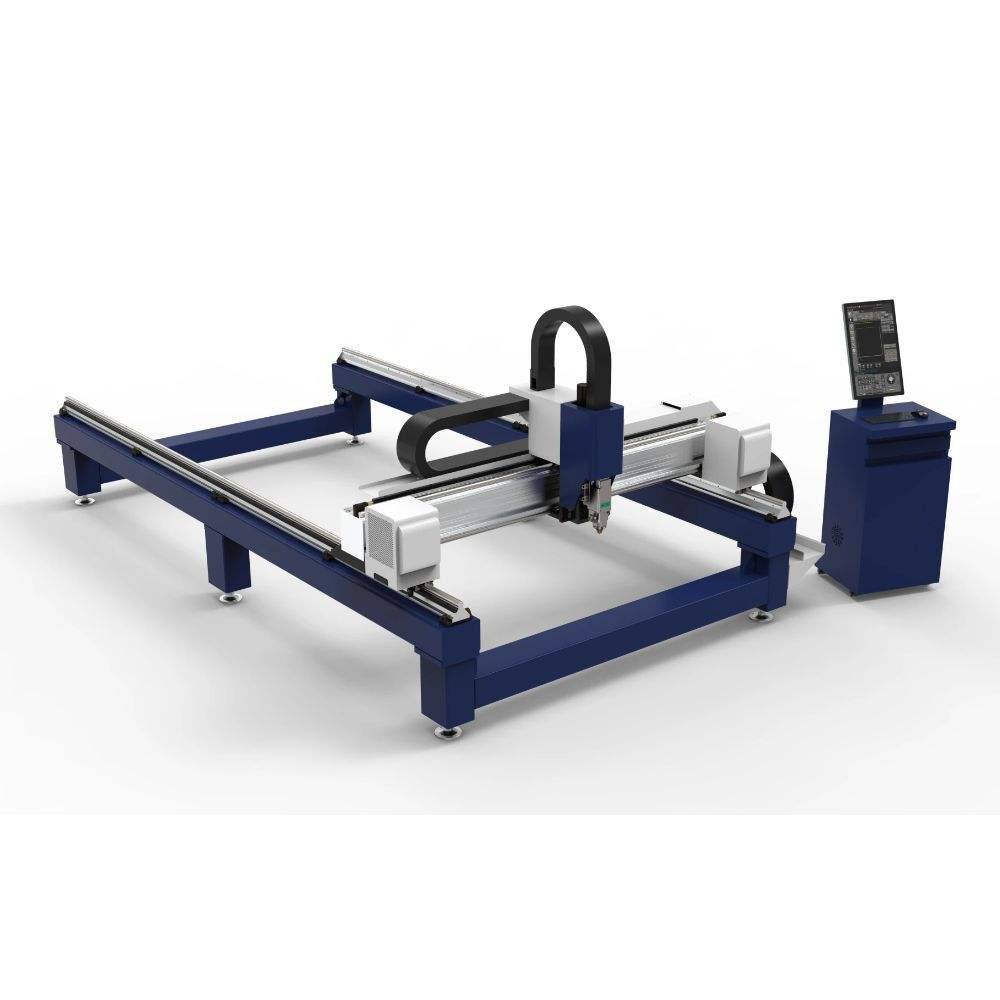
A 1.5kW precision laser system is engineered to deliver a concentrated beam of coherent light through a fiber optic delivery cable. Unlike CO2 lasers, fiber systems operate at a wavelength of approximately 1.06 microns, which is more readily absorbed by metallic surfaces, particularly carbon steel. This high absorption rate translates directly into faster cutting speeds and a smaller focal spot, which is critical for intricate geometries.
Power-to-Thickness Ratios for Carbon Steel
For carbon steel (CS), the 1.5kW threshold is a “sweet spot.” It provides sufficient energy to perform high-quality oxygen-assisted cutting on materials ranging from 0.5mm to 14mm in thickness. While higher wattage machines exist, the 1.5kW system excels in the 1mm to 8mm range, where it maintains an exceptional balance of speed and edge quality. In Monterrey’s appliance manufacturing sector, where thin-gauge carbon steel is prevalent, the 1.5kW system offers the precision needed for bracketry, enclosures, and internal structural components without the excessive energy consumption of a 6kW or 12kW unit.
Beam Quality and Precision Metrics
Precision is not merely a marketing term; it is a measurable engineering metric defined by the beam parameter product (BPP) and the M² factor. A 1.5kW system typically features an M² value close to 1.1, indicating a near-perfect Gaussian beam profile. This allows for a kerf width as narrow as 0.1mm. For Monterrey-based engineers designing complex assemblies, this means that parts can be nested more tightly, reducing material waste—a critical factor given the fluctuating prices of steel in the North American market.

Optimizing Laser Cutting for Carbon Steel
Carbon steel, while highly machinable, requires specific atmospheric control during the laser cutting process to ensure the integrity of the cut edge. The interaction between the 1.5kW beam and the iron-carbon alloy is a thermo-chemical process that must be finely tuned to avoid excessive dross (slag) or thermal deformation.
Assist Gas Selection: Oxygen vs. Nitrogen
In the Monterrey fabrication landscape, cost-per-part is the primary KPI. For carbon steel, oxygen is the traditional assist gas. The oxygen reacts exothermically with the molten iron, adding thermal energy to the cut and allowing the 1.5kW laser to penetrate thicker plates than it could through melt-and-blow methods alone. However, this leaves a thin oxide layer on the edge. For parts destined for Monterrey’s high-end powder coating lines, many shops are switching to high-pressure nitrogen or compressed air. While nitrogen requires more power to achieve the same speed, it produces a “bright cut” that is weld-ready and paint-ready without secondary grinding.
Managing the Heat-Affected Zone (HAZ)
One of the primary advantages of the 1.5kW precision system over plasma cutting is the significant reduction in the Heat-Affected Zone (HAZ). Carbon steel is susceptible to localized hardening when subjected to rapid heating and cooling. By using a high-brightness 1.5kW source, the energy is so concentrated that the dwell time on any single point is minimized. This preserves the mechanical properties of the A36 or 1018 steel, ensuring that the edges do not become brittle—a vital requirement for components used in Monterrey’s structural engineering projects.
Operational Excellence in the Monterrey Environment
Operating high-precision machinery in Northern Mexico presents specific environmental challenges that engineers must address to maintain machine uptime and accuracy.
Climate Considerations: Humidity and Temperature Control
Monterrey is known for its extreme temperature fluctuations, often swinging from 10°C to over 40°C within the same week. For a 1.5kW laser, thermal stability is paramount. The internal optics and the laser source itself must be kept within a narrow temperature range to prevent “thermal lensing,” where the lens expands slightly and shifts the focal point. High-quality chillers are mandatory in Monterrey installations. Furthermore, during the humid summer months, the risk of condensation on the optical protective windows increases. Precision systems must be equipped with dehumidified, dust-free cabinets to protect the sensitive fiber connectors.
Power Grid Stability and Protection
The industrial power grid in parts of Nuevo León can experience voltage sags or surges, particularly during peak summer hours when air conditioning loads are at their highest. A 1.5kW laser system requires a stable 220V or 440V supply. Engineering teams should always specify a dedicated voltage regulator and a surge protection system. Even a minor voltage fluctuation can interrupt the laser cutting cycle, leading to “lost” sheets of carbon steel and potential damage to the laser’s power modules.
Maintenance and Longevity of Precision Optics
To maintain the “precision” aspect of a 1.5kW system, a rigorous maintenance schedule is required. In the dusty environments typical of many Monterrey industrial parks, air filtration is the first line of defense. The cutting head contains several sensitive components, including the collimating lens, the focusing lens, and the protective window (cover glass).
Routine Calibration and Nozzle Alignment
The alignment of the nozzle relative to the laser beam is critical for achieving a perpendicular cut in carbon steel. Even a 0.05mm misalignment can cause the assist gas to flow asymmetrically, resulting in burrs on one side of the part. In Monterrey’s high-production shops, operators should perform a “tape test” at the start of every shift. Furthermore, the 1.5kW system’s height sensor must be calibrated daily to ensure the nozzle maintains a constant standoff distance (usually 0.5mm to 1.5mm) from the plate, accounting for any slight warping in the carbon steel sheet.
Economic Impact and ROI for Local Manufacturers
The decision to implement a 1.5kW laser system in Monterrey is often driven by the Total Cost of Ownership (TCO). Compared to 3kW or higher systems, the 1.5kW unit has a lower entry price and significantly lower power consumption. For a shop primarily processing 11-gauge to 1/4-inch carbon steel, the ROI is typically realized within 12 to 18 months through labor savings and material optimization.
Competitive Advantage in the Nearshoring Era
As US-based companies move their supply chains from Asia to Mexico, they bring with them stringent quality requirements. A Monterrey shop equipped with a 1.5kW precision laser can compete on a global scale. The ability to produce clean, repeatable laser cutting results in carbon steel—without the need for secondary finishing—allows local fabricators to offer shorter lead times. In the world of Just-In-Time (JIT) manufacturing, which dominates the Monterrey-Saltillo industrial corridor, this speed and precision are the ultimate competitive advantages.
Conclusion
The 1.5kW precision laser system represents the ideal intersection of technology and utility for the Monterrey metalworking industry. By understanding the specific metallurgical needs of carbon steel and the environmental demands of the region, local engineers can leverage these systems to produce world-class components. Whether it is for the automotive assembly lines in Ramos Arizpe or the appliance factories in Apodaca, the 1.5kW laser remains a cornerstone of modern industrial progress in Northern Mexico.