
The Strategic Importance of 1.5kW Laser Systems in Tijuana’s Industrial Sector
Tijuana has established itself as a cornerstone of the global manufacturing landscape, serving as a vital hub for “nearshoring” activities that support the North American market. In this high-stakes environment, the integration of 1.5kW precision laser systems has become a transformative force, particularly for facilities specializing in the fabrication of aluminum alloys. The regional demand for lightweight, high-strength components in the aerospace, medical, and automotive sectors necessitates a level of accuracy that traditional mechanical cutting methods simply cannot achieve. The 1.5kW fiber laser represents a technological “sweet spot,” providing sufficient power to penetrate medium-gauge aluminum while maintaining the fine beam quality required for intricate geometries.
For manufacturers in the Baja California region, the transition to fiber-based laser cutting technology is driven by the need for efficiency and repeatability. Unlike CO2 lasers of the past, modern 1.5kW fiber systems operate at a wavelength that is more readily absorbed by non-ferrous metals. Aluminum, known for its high thermal conductivity and reflectivity, previously posed significant challenges for laser operators. However, the advancements in 1.5kW resonators and specialized cutting heads have mitigated these issues, allowing Tijuana-based workshops to produce burr-free edges and tight tolerances that meet stringent international standards.
Precision Engineering for Aluminum Alloys
Aluminum alloys, such as the 6061-T6 and 5052 series commonly used in Tijuana’s manufacturing plants, require specific thermal management during the fabrication process. A 1.5kW system provides a high power density that can rapidly reach the melting point of the material, minimizing the Heat Affected Zone (HAZ). This is critical for maintaining the structural integrity and temper of the alloy. Precision in laser cutting is not merely about the path of the beam, but the synchronization of motion control, gas pressure, and pulse frequency. In high-tech clusters like the Otay Mesa industrial zone, these systems are utilized to create complex components for electronic enclosures and heat sinks where thermal dissipation is a primary design requirement.
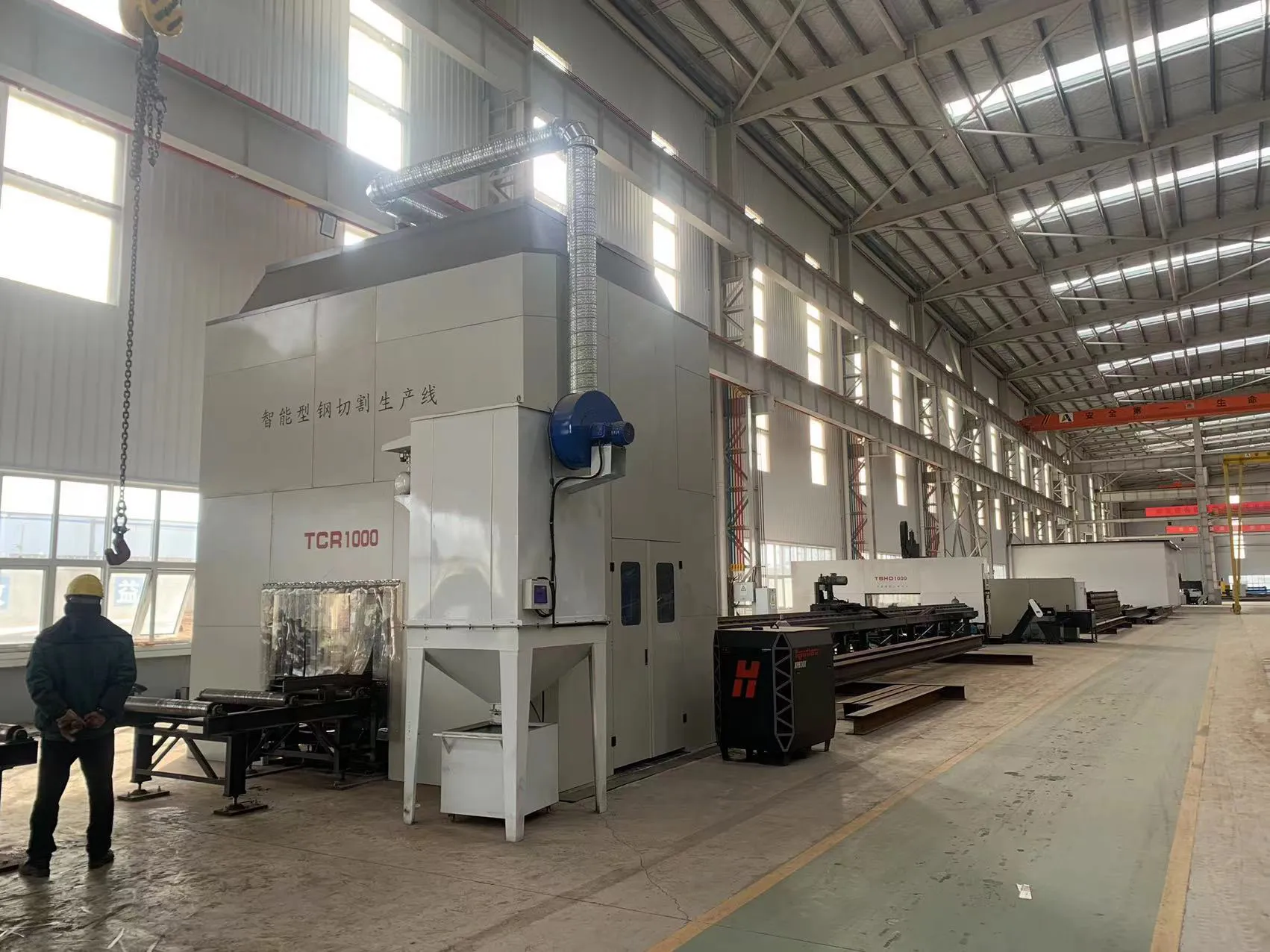
Technical Capabilities of the 1.5kW Precision Laser
The technical architecture of a 1.5kW precision laser system is designed for high-duty cycle environments. At the heart of the system is the fiber resonator, which generates a beam with a high Beam Parameter Product (BPP). This allows the light to be focused into an incredibly small spot size, often measured in microns. For aluminum alloy processing, this concentration of energy is essential for overcoming the material’s natural reflectivity. When the laser cutting process begins, the initial “pierce” must be executed with precision to prevent back-reflection, which could potentially damage the optical delivery system.
Modern 1.5kW systems are equipped with advanced sensors that monitor the cutting process in real-time. In the context of Tijuana’s diverse manufacturing requirements, these systems offer the flexibility to switch between different thicknesses of aluminum—ranging from 0.5mm foil-like sheets to 5mm structural plates—with minimal downtime. The integration of CNC (Computer Numerical Control) software allows engineers to optimize nesting patterns, reducing material waste, which is a significant cost factor when dealing with high-grade aluminum alloys.
Overcoming Reflectivity in Aluminum
One of the primary engineering hurdles in laser cutting aluminum is its high reflectivity in the infrared spectrum. A 1.5kW fiber laser operates at approximately 1.06 microns, a wavelength that aluminum absorbs more efficiently than the 10.6 microns of a CO2 laser. However, even with fiber technology, the risk of “back-reflection” remains during the initial stage of the cut. To counter this, precision systems used in professional environments utilize optical isolators and specialized piercing protocols. These protocols involve modulating the laser power and frequency to create a “keyhole” in the material quickly, ensuring that the energy is directed into the cut rather than reflecting back into the laser source.
Optimization of Laser Cutting Parameters for Aluminum
To achieve a “mirror-like” finish on aluminum edges, the 1.5kW system must be finely tuned. This involves a delicate balance between cutting speed, focal position, and assist gas dynamics. In the competitive manufacturing landscape of Tijuana, optimizing these parameters is the difference between a high-margin product and a rejected batch. For aluminum alloys, the focal point is often positioned slightly below the surface of the material to ensure that the kerf remains wide enough for the efficient removal of molten metal. If the focal point is too high, the laser cutting process may result in “dross” or slag attachment on the bottom of the workpiece, requiring secondary finishing operations.
Assist Gas Selection and Pressure
The choice of assist gas is paramount when working with aluminum. Nitrogen is the most common choice for high-precision applications in Tijuana’s aerospace sector. Using Nitrogen at high pressures (often exceeding 15 bar) serves two purposes: it prevents the oxidation of the aluminum at the cut edge and it mechanically flushes the molten material out of the kerf. This results in a clean, weld-ready edge. Alternatively, for less critical structural components where cost is a factor, compressed air can be used. However, the 1.5kW system must be equipped with high-performance filtration to ensure that no oil or moisture contaminates the laser cutting environment, as impurities can lead to porosity in the material.
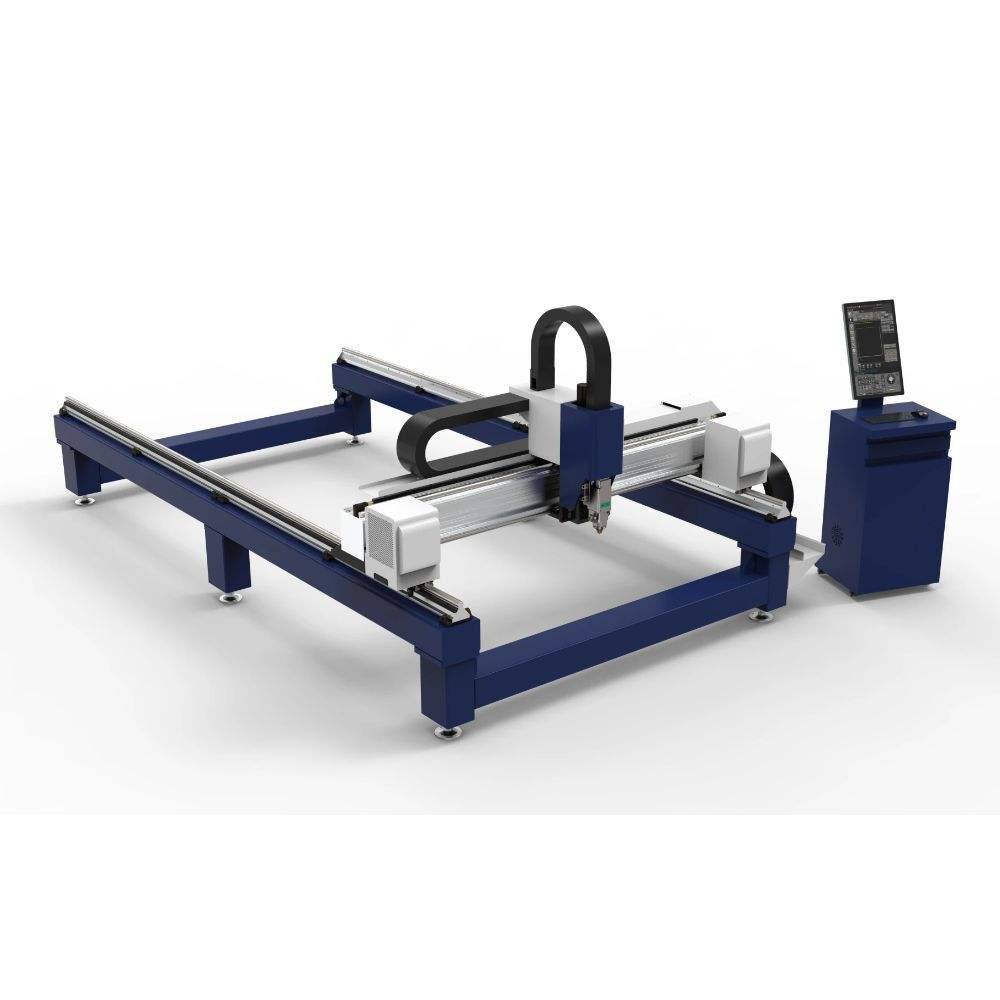 laser cutting machine for Precision Parts” style=”width: 100%; max-width: 800px; height: auto; margin: 20px 0;”>
Regional Applications in Tijuana’s Manufacturing Hub
Tijuana’s industrial parks, such as Parque Industrial Pacifico, host a variety of companies that benefit directly from 1.5kW precision laser technology. The versatility of these machines allows them to serve multiple industries simultaneously. In the automotive sector, aluminum laser cutting is used for lightweight chassis components and interior trim. The 1.5kW power level is ideal for these applications as it provides the speed necessary for high-volume production without the excessive energy consumption of higher-wattage machines. This energy efficiency is a key consideration for local manufacturers looking to reduce operational costs and meet sustainability goals.
Aerospace and Defense
The aerospace industry in Baja California demands the highest levels of traceability and precision. Aluminum alloys like 7075, known for their strength-to-weight ratio, are notoriously difficult to machine. A 1.5kW precision laser system, when integrated with high-end motion controllers, can produce aerospace components with tolerances of +/- 0.05mm. The ability to perform laser cutting on complex flight-critical parts without inducing mechanical stress is a significant advantage over traditional milling or stamping. Furthermore, the digital nature of the laser system ensures that every part produced is an exact replica of the CAD model, satisfying the strict quality assurance protocols of the FAA and other regulatory bodies.
Medical Device Manufacturing
Tijuana is one of the world’s leading exporters of medical devices. The production of surgical instruments and diagnostic equipment often requires the use of specialized aluminum alloys that must be cut with extreme cleanliness. The 1.5kW laser’s ability to produce intricate patterns in thin-gauge aluminum makes it indispensable for this sector. Precision laser cutting allows for the creation of micro-features that would be impossible to achieve with mechanical tools. In a cleanroom-adjacent environment, the non-contact nature of laser processing ensures that the material remains free from contamination, a critical requirement for medical-grade components.
Maintenance and Operational Excellence
To maintain the precision of a 1.5kW system in the dusty or humid environments sometimes found in coastal industrial cities like Tijuana, a rigorous maintenance schedule is required. The optical path must be kept pristine. Even a microscopic particle of dust on the protective window can absorb laser energy, leading to thermal lensing—a phenomenon where the beam focus shifts during the laser cutting process, resulting in inconsistent quality. Local technicians must be trained in the handling of high-power optics and the calibration of the capacitive height sensors that maintain the distance between the nozzle and the aluminum sheet.
Protecting Optical Components from Back-Reflection
Because aluminum is highly reflective, the 1.5kW system must be outfitted with specific safety features to protect its internal components. Modern resonators utilize “back-reflection isolation” technology. This involves a series of sensors that can detect if laser light is being reflected back into the fiber. If a reflection threshold is exceeded, the system instantly shuts down the beam to prevent catastrophic damage to the laser source. For operators in Tijuana, understanding the relationship between material grade, surface finish, and reflection risk is a core part of their technical training.
Economic Feasibility and Return on Investment
For a manufacturing shop in Tijuana, investing in a 1.5kW precision laser system is a strategic financial decision. While the initial capital expenditure is significant, the ROI is driven by the speed of laser cutting and the reduction in secondary processing. Aluminum parts cut with a precision fiber laser typically do not require deburring or grinding, which saves on labor costs and speeds up the “time-to-market.” Additionally, the 1.5kW system’s relatively low power consumption compared to 4kW or 6kW models makes it more affordable to operate in regions where industrial electricity rates are a concern.
The ability to handle a wide range of aluminum alloys also allows shops to diversify their client base. A single 1.5kW machine can switch from cutting aerospace brackets in the morning to medical housings in the afternoon. This flexibility is the hallmark of modern Tijuana manufacturing, where agility is just as important as precision. As the global supply chain continues to evolve, the presence of high-end laser cutting capabilities in the region will ensure that Tijuana remains a competitive destination for high-tech manufacturing.
Conclusion: The Future of Aluminum Processing in Baja California
The 1.5kW precision laser system is more than just a tool; it is an enabler of industrial growth. In the context of aluminum alloy fabrication, it provides the perfect balance of power, precision, and cost-effectiveness. As Tijuana continues to attract sophisticated manufacturing projects, the reliance on advanced laser cutting technology will only increase. By mastering the nuances of laser-material interaction, assist gas optimization, and system maintenance, regional manufacturers can continue to deliver world-class components to the global market, solidifying the city’s reputation as a center of engineering excellence.
















