Introduction to Precision Laser Systems in Monterrey’s Industrial Sector
Monterrey, Nuevo León, has solidified its reputation as the industrial powerhouse of Mexico. As a primary hub for automotive manufacturing, aerospace components, and advanced metal fabrication, the demand for high-precision machining has never been greater. Among the various technologies driving this industrial evolution, the 1.5kW precision laser system stands out as a versatile and efficient solution, particularly when processing aluminum alloys. This guide explores the technical nuances, operational strategies, and regional considerations for implementing 1.5kW laser cutting technology within the Monterrey industrial corridor.
The transition from traditional mechanical shearing or plasma cutting to fiber laser technology offers significant advantages in terms of kerf width, heat-affected zones (HAZ), and overall throughput. For Monterrey-based “maquiladoras” and Tier 1 suppliers, adopting a 1.5kW system provides a strategic balance between capital investment and high-performance output for thin-to-medium gauge aluminum applications.
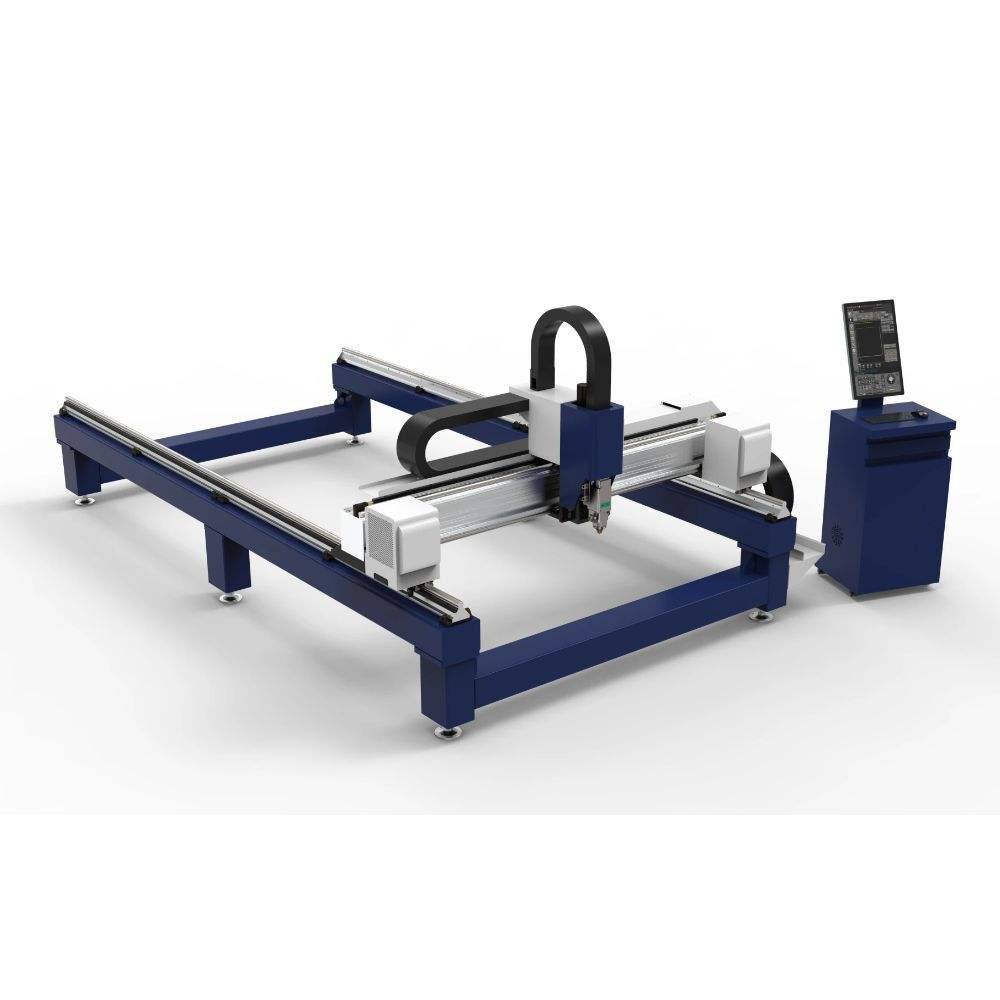 laser cutting machine for Precision Work”>
The Technical Profile of the 1.5kW Fiber Laser
A 1.5kW fiber laser system utilizes an optical fiber doped with rare-earth elements as its gain medium. Unlike CO2 lasers, which operate at a wavelength of 10.6 μm, fiber lasers operate at approximately 1.06 μm. This shorter wavelength is more readily absorbed by non-ferrous metals, making it exceptionally efficient for laser cutting aluminum alloys. The high beam quality, characterized by a low Beam Parameter Product (BPP), allows for a concentrated energy density that can melt and vaporize aluminum with extreme precision.
In a 1.5kW configuration, the system is optimized for materials ranging from 0.5mm to 6mm in thickness. While higher power levels exist, the 1.5kW threshold is often preferred for precision components where edge quality and dimensional tolerance are more critical than raw speed on thick plates. This makes it ideal for electronics housings, automotive brackets, and architectural panels commonly produced in the Santa Catarina and Apodaca industrial zones.
Challenges and Solutions in Aluminum Alloy Laser Cutting
Aluminum alloys present unique challenges for thermal processing. Aluminum is highly reflective, particularly in its molten state, and possesses high thermal conductivity. These characteristics require a sophisticated approach to laser cutting to prevent equipment damage and ensure clean cuts.
Managing Back-Reflections
One of the primary risks when processing aluminum with a fiber laser is back-reflection. Because aluminum reflects a significant portion of the laser energy back into the delivery optics, it can cause catastrophic damage to the laser source. Modern 1.5kW systems are equipped with optical isolators and back-reflection protection sensors. In Monterrey’s high-output environments, ensuring these safety protocols are active is essential for maintaining machine uptime and protecting the investment in the fiber resonator.
Thermal Conductivity and Heat Dissipation
Aluminum dissipates heat rapidly. During the laser cutting process, the heat can spread away from the cut zone, potentially leading to warping or loss of structural integrity in small, intricate parts. To counteract this, 1.5kW systems utilize high-speed galvo-scanners or high-acceleration gantry systems to maintain a rapid feed rate. By moving the beam quickly, the energy is concentrated at the focal point long enough to melt the material without allowing excessive heat to soak into the surrounding alloy.

Optimizing Parameters for Monterrey’s Aluminum Grades
The Monterrey market frequently handles specific aluminum grades, most notably the 5000 series (magnesium-alloyed) and 6000 series (silicon and magnesium-alloyed). Each requires tailored parameters to achieve an aerospace-grade finish.
Gas Selection: Nitrogen vs. Oxygen
For precision laser cutting of aluminum, Nitrogen is the industry standard assist gas. Nitrogen acts as a shielding agent, preventing the oxidation of the cut edge. This results in a bright, clean finish that is ready for secondary processes like welding or anodizing without the need for mechanical deburring. In Monterrey, where humidity can fluctuate, ensuring a high-purity Nitrogen supply (99.99%) is vital to avoid dross (slag) formation on the underside of the workpiece.
While Oxygen can be used to increase cutting speeds in thicker aluminum by inducing an exothermic reaction, it often results in a heavily oxidized, rough edge. For the precision requirements of Monterrey’s medical and aerospace sectors, high-pressure Nitrogen remains the superior choice for 1.5kW systems.
Nozzle Geometry and Focal Position
The choice of nozzle and the positioning of the focal point are critical variables. For aluminum, a “negative” focal position—where the beam focuses slightly below the surface of the material—is generally preferred. This encourages a wider kerf at the bottom, allowing the assist gas to efficiently blow out the molten aluminum. Double-layer nozzles are often employed to stabilize the gas flow and protect the protective window of the laser head from spatters.
Environmental and Regional Considerations in Monterrey
Operating a high-precision 1.5kW laser in Monterrey requires consideration of the local climate. The region is known for extreme summer temperatures and occasional high humidity, both of which can impact the performance of a laser cutting system.
Chiller Performance and Ambient Temperature
The fiber laser source and the cutting head require constant cooling. In Monterrey’s summer, where ambient temperatures can exceed 40°C, a standard chiller may struggle. It is imperative to use an industrial-grade, dual-circuit water chiller with a cooling capacity that exceeds the heat load of the 1.5kW source. Furthermore, the laser room should ideally be climate-controlled to prevent condensation on the optical components, which can lead to “thermal lensing” and a loss of focus during long production runs.
Power Stability and Infrastructure
The industrial electrical grid in certain sectors of Monterrey can experience voltage fluctuations. Precision laser cutting electronics are sensitive to these variances. Integrating a high-capacity voltage stabilizer and a surge protector is a standard recommendation for any 1.5kW installation in the region to ensure the longevity of the CNC controllers and the laser diodes.
Advanced Software Integration and Industry 4.0
To maximize the efficiency of a 1.5kW system, Monterrey manufacturers are increasingly turning to advanced nesting software and CAD/CAM integration. Precision laser cutting is not just about the hardware; it is about the digital workflow that precedes the cut.
Nesting for Material Efficiency
Aluminum is a relatively expensive raw material. Sophisticated nesting algorithms can optimize the layout of parts on a 4×8 or 5×10 sheet, reducing scrap rates by up to 15%. For high-volume automotive parts, this material saving directly translates to a faster Return on Investment (ROI) for the laser system. Many systems used in Monterrey now feature “Common Line Cutting,” where two parts share a single cut path, further reducing processing time and gas consumption.
Predictive Maintenance
In the context of Monterrey’s “Smart Factory” initiatives, 1.5kW laser systems are often equipped with sensors that monitor beam quality, gas pressure, and motor torque in real-time. By analyzing this data, maintenance teams can predict when a protective window needs replacement or when the drive rails require lubrication, preventing unscheduled downtime during critical production cycles.
Safety Standards and Operator Training
A 1.5kW fiber laser is a Class 4 laser product, meaning it poses significant risks to eyesight and skin if not managed correctly. In the Mexican industrial context, compliance with NOM (Normas Oficiales Mexicanas) and international safety standards is mandatory.
Enclosure and Filtration
Precision laser cutting of aluminum produces fine metallic dust and fumes. A fully enclosed machine bed is essential to contain the laser radiation. Additionally, a robust fume extraction system with HEPA filtration is necessary to protect operators from inhaling aluminum oxide particles. Monterrey’s environmental regulations are becoming increasingly stringent, making proper filtration not just a safety requirement but a legal one.
Operator Skill Sets
The transition from manual machining to CNC laser cutting requires a shift in the local workforce’s skills. Training programs in Monterrey, often supported by institutions like Tec de Monterrey or UANL, focus on G-code programming, optical maintenance, and parameter optimization. An operator who understands the relationship between frequency, pulse width, and duty cycle can extract significantly higher performance from a 1.5kW system than a general laborer.
Conclusion: The Future of Laser Fabrication in Monterrey
The 1.5kW precision laser system represents a critical tool for Monterrey’s continued industrial dominance. By providing the ability to process aluminum alloys with high speed, minimal waste, and exceptional accuracy, it empowers local manufacturers to compete on a global scale. As the automotive industry shifts toward electric vehicles—which rely heavily on lightweight aluminum components—the role of precision laser cutting will only expand.
Investing in this technology requires a holistic approach that considers the technical specifications of the laser, the metallurgical properties of the aluminum, and the specific environmental challenges of the Monterrey region. With the right configuration and operational expertise, a 1.5kW laser system is an indispensable asset for any modern fabrication facility in the heart of Mexico’s industrial north.