
Optimizing 1.5kW Precision Laser Systems for Aluminum Alloy in Mexico City
The industrial landscape of Mexico City (CDMX) has seen a significant transformation with the integration of high-precision fiber laser technology. Among the various power configurations available, the 1.5kW precision laser system stands out as a versatile and efficient solution for small to medium-scale manufacturing. When processing aluminum alloys—materials known for their high reflectivity and thermal conductivity—the 1.5kW threshold offers a unique balance between capital investment and operational capability. However, achieving peak performance in the specific atmospheric conditions of Mexico City requires a deep understanding of both the physics of laser cutting and the environmental variables at play.
The Architecture of the 1.5kW Fiber Laser System
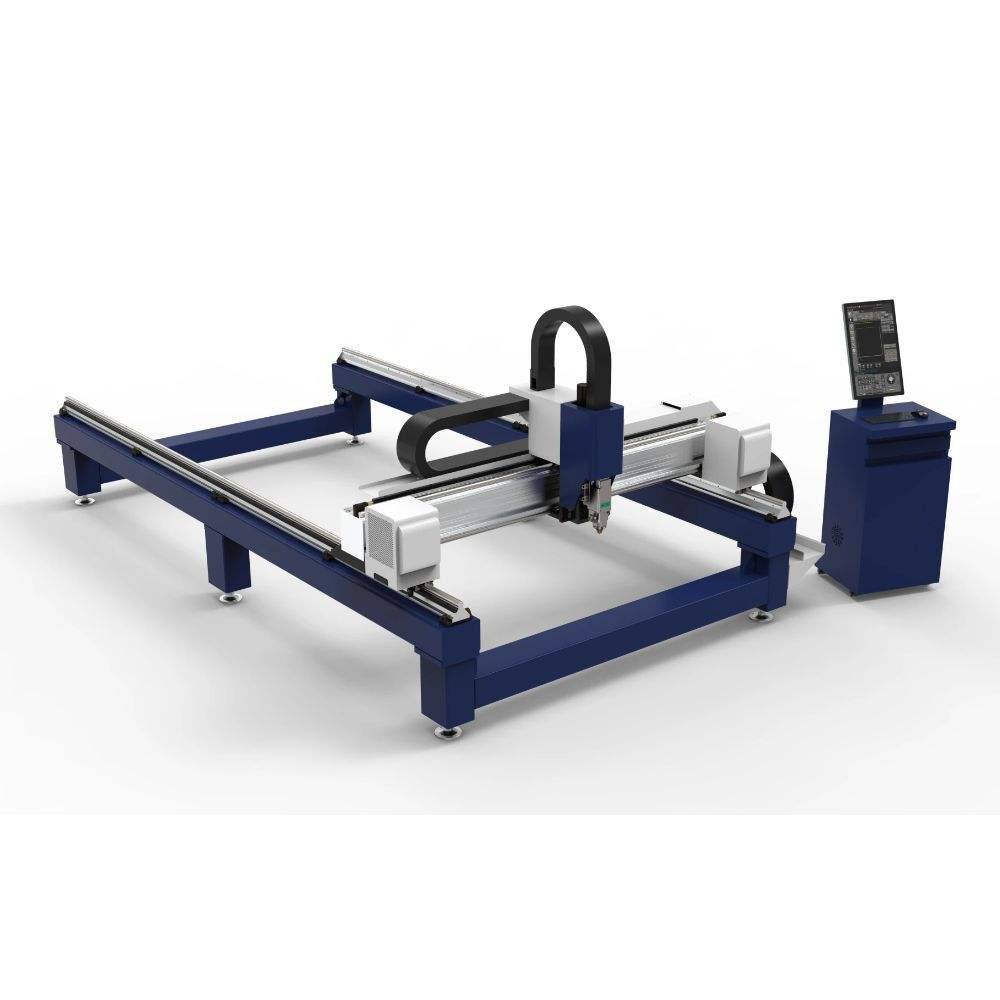
A 1.5kW fiber laser system utilizes an active optical fiber doped with rare-earth elements, typically ytterbium, to generate a high-intensity beam. The 1064nm wavelength produced by these systems is particularly effective for metallic applications. In a precision environment, the laser beam is delivered through a flexible fiber optic cable to a cutting head, where collimating and focusing lenses concentrate the energy into a microscopic spot. This concentration of power is what allows for the efficient laser cutting of non-ferrous metals like aluminum.
For operations in Mexico City, the stability of the resonator and the quality of the beam (measured by the M2 factor) are critical. A 1.5kW system provides enough power density to overcome the initial reflectivity of aluminum without the excessive energy overhead that can lead to significant dross or a wide heat-affected zone (HAZ) in thinner gauges. The precision components, including linear motors and high-resolution encoders, ensure that the mechanical movement matches the rapid processing speeds of the fiber source.

Challenges of Aluminum Alloy Processing
Aluminum is notoriously difficult for laser cutting due to two primary physical properties: high reflectivity and high thermal conductivity. At the onset of the cutting process, aluminum reflects a significant portion of the laser energy back toward the source. If the system is not equipped with back-reflection protection, this can damage the laser module. Modern 1.5kW systems utilize isolators and advanced optical designs to mitigate this risk, but the operator must still employ specific piercing strategies to ensure a clean start.
Furthermore, aluminum’s ability to dissipate heat rapidly means that the laser must provide sufficient energy to maintain a molten pool while moving quickly enough to prevent the heat from spreading into the surrounding material. For 1.5kW systems, the optimal thickness range for aluminum alloys like 5052 or 6061 typically falls between 0.5mm and 5mm. Within this range, the system can maintain high feed rates, resulting in a narrow kerf and a smooth edge finish that often requires no post-processing.
Environmental Calibration for Mexico City’s Altitude
Mexico City is situated at an average elevation of 2,240 meters (7,350 feet) above sea level. This high-altitude environment presents unique challenges for laser cutting operations that are often overlooked in standard manuals written for sea-level conditions. The primary factor is the lower atmospheric pressure, which results in thinner air and different gas dynamics.
In laser cutting, the assist gas (typically Nitrogen for aluminum) plays a dual role: it shields the melt pool from oxygen to prevent oxidation and provides the mechanical force to eject the molten metal from the kerf. In the lower air density of CDMX, the Reynolds number of the gas flow changes. Operators may find that they need to increase the nozzle pressure by 10-15% compared to sea-level settings to achieve the same kinetic energy required for clean dross removal. Additionally, the cooling efficiency of the laser’s chiller unit can be affected by the thinner air, necessitating a robust cooling system with a higher ambient temperature tolerance to handle the city’s occasional heatwaves and thin-air heat exchange limitations.
Assist Gas Strategies: Nitrogen vs. Oxygen
When working with aluminum alloys, the choice of assist gas is paramount. For a 1.5kW system, Nitrogen is the industry standard for precision work. Nitrogen laser cutting is an inert process, meaning it relies purely on the laser’s thermal energy to melt the metal while the gas blows it away. This results in a bright, oxide-free edge that is essential for components requiring subsequent welding or painting.
While Oxygen can be used to increase cutting speeds in thicker sections of carbon steel, it is rarely used for aluminum because it creates a heavy oxide layer and a rougher surface finish. In the context of Mexico City’s industrial sectors—such as aerospace components or high-end architectural signage—the precision offered by high-pressure Nitrogen is non-negotiable. The 1.5kW power level is particularly sensitive to gas purity; even minor contaminants in the Nitrogen line can lead to discoloration or burr formation on the bottom of the aluminum sheet.
Optimizing Feed Rates and Focal Position
To maximize the efficiency of a 1.5kW laser on aluminum, the relationship between feed rate and focal position must be finely tuned. Unlike steel, where the focus is often kept at or slightly above the surface, aluminum laser cutting often benefits from a “negative focus” (placing the focal point inside the material). This helps to distribute the energy through the thickness of the alloy, compensating for its high thermal conductivity.
In a precision 1.5kW system, the feed rate must be fast enough to stay ahead of the heat conduction. If the cut is too slow, the heat builds up, causing the kerf to widen and the edge quality to degrade. In the manufacturing hubs of Vallejo or Tlalnepantla, where production efficiency is key, local engineers often use automated nesting and path optimization software to ensure the laser maintains a constant velocity, avoiding “burn-ins” at sharp corners. Modern CNC controllers allow for real-time power modulation, where the 1.5kW output is automatically reduced during deceleration to maintain consistent edge quality across complex geometries.
Maintenance and Longevity in Industrial CDMX
The longevity of a 1.5kW precision laser in an environment like Mexico City depends heavily on a rigorous maintenance schedule. The city’s air can contain high levels of particulate matter and humidity, which are detrimental to optical components. The “clean room” environment of the laser source is protected, but the external optics—specifically the protective window (cover glass) of the cutting head—are exposed.
Daily inspections of the protective window are mandatory. Even a microscopic speck of dust can absorb laser energy, heat up, and shatter the glass or damage the focusing lens. Furthermore, the chiller system must use deionized water with appropriate additives to prevent algae growth and mineral scaling, which are common issues in local water supplies. Ensuring that the electrical supply is stabilized with a high-quality voltage regulator is also critical in CDMX to protect the sensitive electronics of the 1.5kW fiber source from power fluctuations.
Economic Impact and Local Applications
The adoption of 1.5kW laser cutting systems has empowered small and medium-sized enterprises (SMEs) in Mexico City to compete on a global scale. The precision afforded by these machines allows for the production of intricate aluminum parts for the automotive, electronics, and medical device industries. Because a 1.5kW system has lower power consumption and maintenance costs than its 6kW or 10kW counterparts, it offers a faster Return on Investment (ROI) for shops focusing on thin-gauge precision work.
In the local context, aluminum 5052 is frequently used for electronic enclosures and chassis due to its excellent formability and corrosion resistance. A 1.5kW laser can process these sheets with incredible speed and accuracy, maintaining tolerances of +/- 0.05mm. This level of precision is vital for the “Just-in-Time” manufacturing cycles prevalent in the North American supply chain, where Mexico City serves as a critical hub.
Conclusion: The Future of Precision Fabrication
The 1.5kW precision laser system represents a pinnacle of efficiency for aluminum alloy processing in Mexico City. By understanding the interplay between the laser’s physics and the unique high-altitude environment, manufacturers can unlock unprecedented levels of quality and throughput. As the demand for lightweight, high-strength aluminum components continues to grow in the aerospace and electric vehicle sectors, the role of laser cutting technology will only become more central. For the engineering community in CDMX, mastering these systems is not just about operating a machine; it is about refining a process that sits at the intersection of light, material science, and environmental adaptation.
















