
Introduction to 1.5kW Fiber laser cutting Technology
In the heart of Mexico’s industrial powerhouse, Monterrey, Nuevo León, the demand for precision manufacturing has never been higher. As the “Sultana del Norte” continues to lead in the automotive, appliance, and aerospace sectors, the adoption of advanced laser cutting technology has become a cornerstone for local workshops and large-scale factories alike. Among the various power configurations available, the 1.5kW fiber laser cutting machine stands out as the optimal “sweet spot” for businesses focusing on stainless steel fabrication.
Fiber laser technology has revolutionized the metalworking industry by offering unprecedented speed, accuracy, and cost-efficiency. Unlike traditional CO2 lasers, fiber lasers utilize a solid-state gain medium, where the laser beam is generated in an optical fiber doped with rare-earth elements. This beam is then delivered via a flexible fiber optic cable to the cutting head. For a 1.5kW system, this results in a high-intensity beam with a wavelength of approximately 1.064 micrometers, which is absorbed exceptionally well by reflective metals like stainless steel.
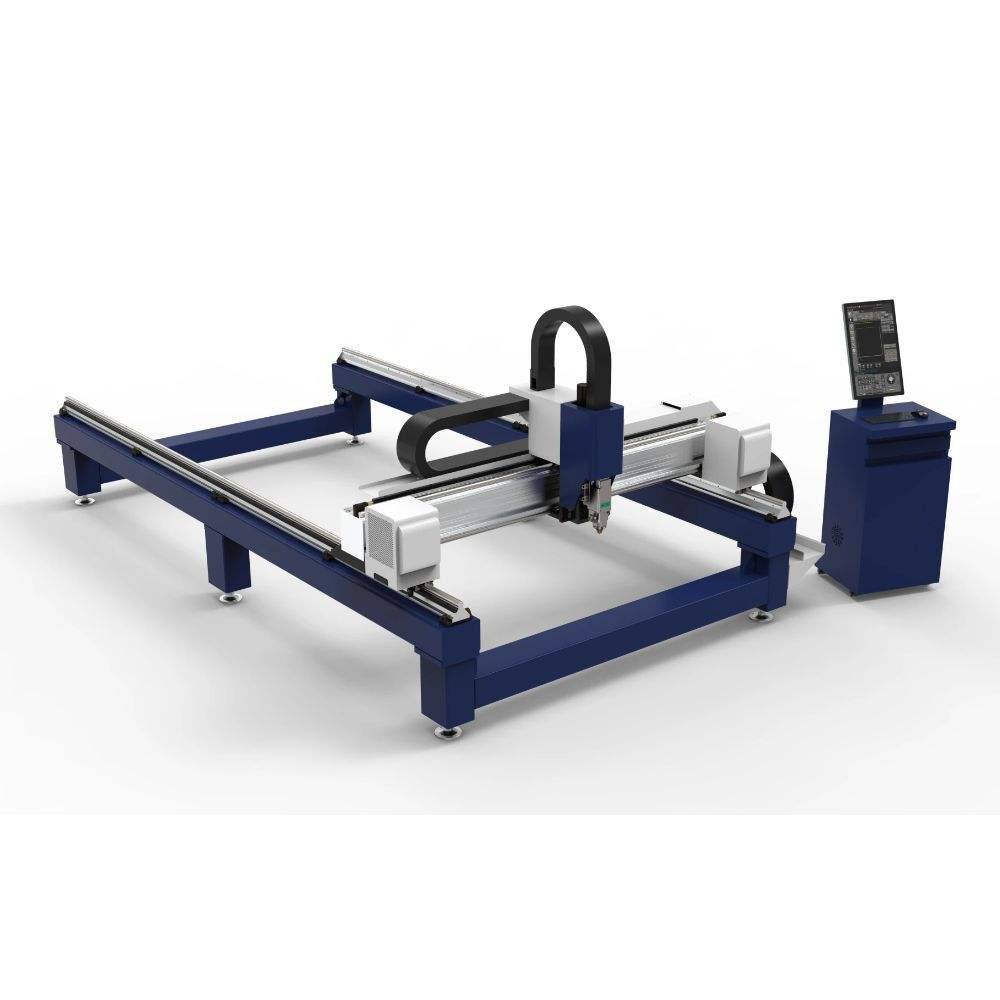
Why 1.5kW is Ideal for Stainless Steel
Stainless steel is prized for its corrosion resistance and aesthetic appeal, but it presents unique challenges during the laser cutting process. It has a high melting point and a relatively high thermal conductivity compared to carbon steel. A 1.5kW fiber laser provides the necessary power density to achieve clean, dross-free cuts on stainless steel sheets ranging from 0.5mm to 6mm in thickness.
In the context of Monterrey’s manufacturing landscape—where companies frequently produce components for the food processing industry, medical equipment, and architectural finishes—the ability to process 304 and 316-grade stainless steel with precision is paramount. The 1.5kW power level ensures that the Heat Affected Zone (HAZ) remains minimal, preserving the material’s structural integrity and preventing the discoloration often associated with slower, lower-powered cutting methods.
Technical Specifications and Component Synergy
A high-performance 1.5kW laser cutting machine is more than just its power source. It is a complex integration of mechanical engineering and optical precision. To achieve the results expected in a competitive market like Monterrey, several key components must work in harmony.
The Fiber Laser Source
The heart of the machine is the laser generator. Leading brands like Raycus, IPG, or MAX Photonics provide the 1.5kW modules that define the beam’s stability and longevity. A 1.5kW source is highly energy-efficient, often consuming up to 70% less electricity than a CO2 laser of equivalent cutting capacity. This efficiency is a significant advantage in Mexico, where industrial electricity rates can impact the overall bottom line of a fabrication shop.
Precision Motion Control and Gantry Design
To translate the laser’s power into accurate parts, the machine must possess a rigid and stable frame. Most industrial-grade 1.5kW machines utilize a gantry-style design with aviation-grade aluminum beams. This lightweight yet stiff construction allows for high acceleration (often up to 1.2G) and high positioning speeds. In Monterrey’s fast-paced production environments, the ability to move the cutting head rapidly between contours significantly reduces cycle times.

The Cutting Head and Auto-Focus Capabilities
Modern 1.5kW systems are typically equipped with an intelligent cutting head featuring autofocus functionality. Since stainless steel sheets are rarely perfectly flat, the autofocus system uses capacitive sensors to maintain a constant distance between the nozzle and the workpiece. This ensures a consistent focal point, which is critical for maintaining edge quality throughout the entire laser cutting process.
Optimizing Stainless Steel Cutting in Monterrey
Monterrey’s climate and industrial standards require specific operational adjustments to maximize the output of a 1.5kW fiber laser. From humidity control for the nitrogen supply to the selection of the correct assist gas, every detail matters.
The Role of Assist Gases: Nitrogen vs. Oxygen
When laser cutting stainless steel, the choice of assist gas is the most influential factor in the final edge quality. For most professional applications in Monterrey, Nitrogen is the preferred choice. Nitrogen acts as a shielding gas that blows away the molten metal without allowing it to oxidize. This results in a bright, silver-colored edge that requires no secondary finishing before welding or painting.
While Oxygen can be used to cut thicker sections of stainless steel by initiating an exothermic reaction, it leaves a dark, oxidized layer on the cut edge. For the high-end appliance components manufactured by companies in the Monterrey metropolitan area, the clean finish provided by Nitrogen-assisted laser cutting is non-negotiable.
Handling Material Reflections
Stainless steel, especially when polished to a mirror finish, can be highly reflective. One of the historical dangers of laser cutting was back-reflection, which could travel back through the fiber and damage the laser source. However, modern 1.5kW fiber lasers are equipped with back-reflection isolators and advanced optical coatings that allow them to process shiny stainless steel safely. This allows Monterrey fabricators to take on projects involving decorative panels and high-visibility consumer goods without fear of equipment failure.
Integration into the Monterrey Supply Chain
Monterrey is not just a city; it is a logistical hub. The proximity to the United States border and the presence of the Interpuerto Monterrey make it a critical node in the North American manufacturing network. A 1.5kW laser cutting machine fits perfectly into this ecosystem by providing the flexibility needed for “Just-In-Time” (JIT) manufacturing.
Small to Medium Enterprise (SME) Empowerment
For many SMEs in Guadalupe, Santa Catarina, or San Nicolás, a 1.5kW fiber laser represents a scalable investment. It allows these shops to transition from outsourcing their cutting needs to bringing them in-house. By controlling the laser cutting process, local shops can offer faster turnaround times for the Tier 2 and Tier 3 suppliers that feed the automotive plants in the region, such as the Kia plant in Pesquería or the heavy industrial clusters in Ramos Arizpe.
Software and Automation
To remain competitive, Monterrey-based operators utilize advanced CAD/CAM software for nesting. Efficient nesting minimizes material waste, which is crucial when working with expensive stainless steel alloys. Many 1.5kW machines now come with software that automatically optimizes the cutting path, reduces the number of pierces, and manages “fly-cutting” (cutting in a continuous motion without stopping for pierces on thin materials). This level of automation ensures that even a single-machine shop can achieve high-volume output.
Maintenance and Environmental Considerations in Nuevo León
The environmental conditions in Monterrey—characterized by high summer temperatures and occasional industrial dust—necessitate a rigorous maintenance schedule for laser cutting equipment.
Cooling Systems and Chiller Performance
A 1.5kW fiber laser requires a dual-circuit water chiller to regulate the temperature of both the laser source and the cutting head. In Monterrey, where ambient temperatures can exceed 40°C, the chiller must be robust and well-maintained. Operators must ensure that the coolant is clean and that the heat exchangers are free of debris to prevent thermal fluctuations that could degrade the beam quality or trigger safety shutdowns.
Preventative Maintenance for Optical Components
The precision of laser cutting depends on the cleanliness of the protective windows and lenses within the cutting head. In an industrial environment, airborne particles can settle on these optics, leading to beam distortion or “burnt” lenses. Regular inspections and cleaning in a controlled, dust-free environment are essential. Furthermore, ensuring a high-purity gas supply (Nitrogen 5.0 grade or higher) prevents internal contamination of the cutting head.
Conclusion: The Future of Metal Fabrication in Monterrey
The 1.5kW fiber laser cutting machine is more than just a tool; it is a catalyst for industrial growth in Monterrey. By offering the perfect balance of power, precision, and operational cost, it enables local manufacturers to meet the stringent quality demands of the global market while processing stainless steel with unmatched efficiency.
As Monterrey continues to evolve into a global tech and manufacturing hub, the reliance on laser cutting will only increase. For businesses looking to upgrade their capabilities, the 1.5kW platform provides a reliable, future-proof solution that can handle the rigors of modern stainless steel fabrication. Whether it is for intricate medical components or robust industrial enclosures, the fiber laser remains the gold standard for the region’s engineering excellence.
















