
Introduction to 1.5kW Fiber laser cutting Technology
In the heart of Mexico’s industrial landscape, Guadalajara has emerged as a primary hub for advanced manufacturing and metal fabrication. As the capital of Jalisco, the city hosts a diverse range of industries, from aerospace and automotive to food processing and medical device manufacturing. For these sectors, the 1.5kW fiber laser cutting machine represents a pivotal investment in precision and efficiency. This specific power rating—1.5 kilowatts—is widely considered the “sweet spot” for small to medium-sized enterprises (SMEs) focusing on high-quality stainless steel components.
Fiber laser technology has revolutionized the metalworking industry by offering significantly higher electrical-to-optical conversion efficiency compared to traditional CO2 lasers. When applied to stainless steel, the 1.06-micron wavelength of the fiber laser is absorbed more efficiently by the material, allowing for faster processing speeds and cleaner edges. This guide explores the technical nuances, operational strategies, and regional advantages of deploying a 1.5kW fiber laser cutting system in the Guadalajara metropolitan area.
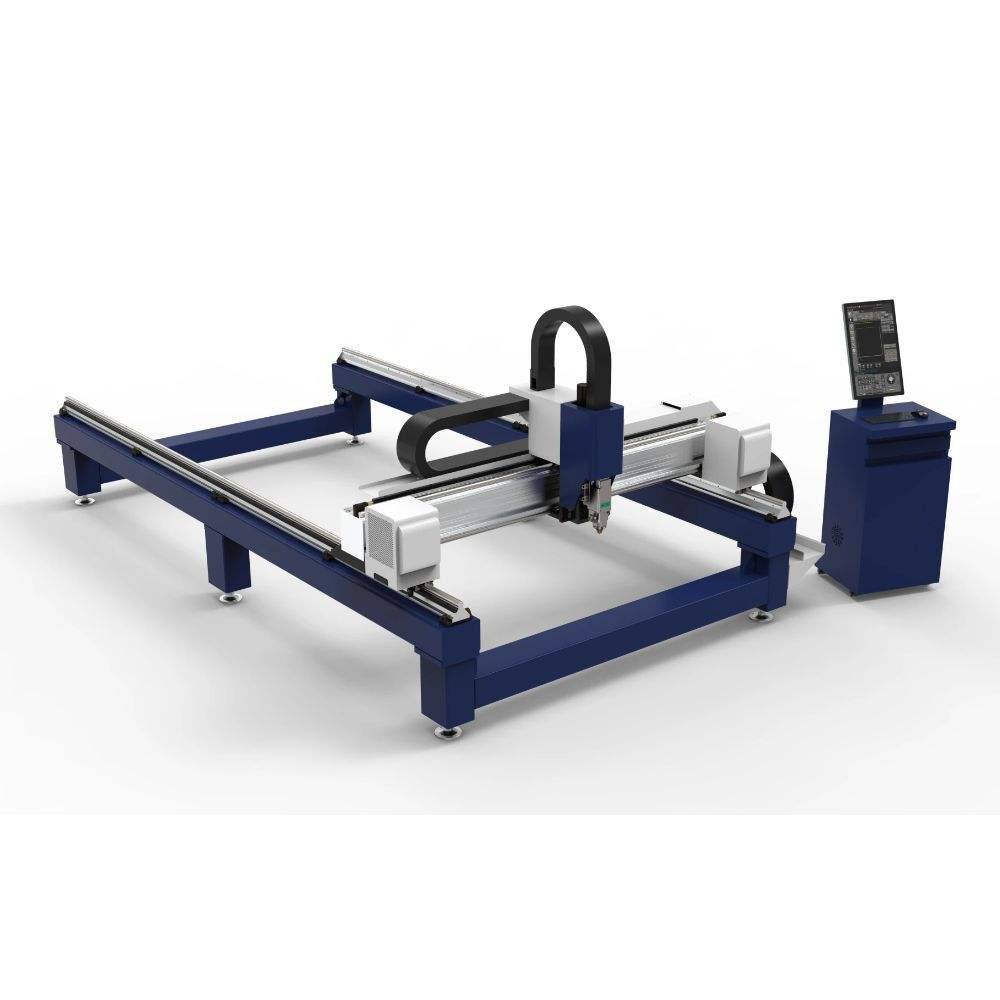
Technical Specifications and Performance Metrics
The Oscillator and Beam Quality
The core of any 1.5kW fiber laser cutting machine is the laser source, typically manufactured by industry leaders such as Raycus, IPG, or MaxPhotonics. A 1.5kW source provides a stable beam with a high Beam Parameter Product (BPP). For stainless steel applications, beam stability is critical to prevent dross formation and ensure a burr-free finish. The fiber delivery system ensures that the beam remains enclosed and protected from environmental contaminants, which is essential in the varying humidity levels often found in Guadalajara’s industrial zones like El Salto or Zapopan.
Cutting Capacity for Stainless Steel
A 1.5kW system is optimized for stainless steel thicknesses ranging from 0.5mm to 6mm. While it can pierce thicker plates, its peak efficiency is found within the 1mm to 4mm range. In this bracket, the machine can achieve cutting speeds that far exceed plasma or waterjet alternatives. For instance, 1mm stainless steel can be processed at speeds exceeding 20-30 meters per minute, depending on the auxiliary gas used and the complexity of the geometry. This high-speed capability is a primary driver for Guadalajara-based manufacturers looking to increase throughput in competitive markets.
The Role of Auxiliary Gases in Stainless Steel Laser Cutting
Nitrogen: The Standard for High-Quality Finishes
When laser cutting stainless steel, the choice of auxiliary gas is paramount. Nitrogen is the industry standard for 1.5kW machines because it acts as a shielding gas, preventing oxidation of the cut edge. In Guadalajara’s food and pharmaceutical equipment sectors, maintaining the corrosion-resistant properties of stainless steel is non-negotiable. Nitrogen cutting ensures that the edges remain “bright” and do not require secondary finishing or pickling, which significantly reduces labor costs and lead times.
Oxygen and Compressed Air Alternatives
While Nitrogen is preferred for aesthetics, Oxygen can be used for thicker stainless steel sections where a chemical reaction is needed to assist the melting process. However, this results in a darkened, oxidized edge. Recently, many shops in Jalisco have turned to high-pressure compressed air as a cost-effective alternative for thinner gauges. With a 1.5kW fiber laser, compressed air can provide a balance between speed and cost, though it requires a robust filtration and drying system to ensure the air is free of oil and moisture, which could otherwise damage the laser optics.

Guadalajara’s Industrial Landscape and Stainless Steel Demand
Food Processing and Agrotechnology
Jalisco is a powerhouse in the Mexican food and beverage industry. From tequila distilleries to large-scale dairy processing plants, the demand for stainless steel components is immense. A 1.5kW laser cutting machine allows local fabricators to produce custom brackets, enclosures, and machine parts from Grade 304 or 316 stainless steel with extreme precision. The ability to quickly iterate designs and produce small batches makes fiber laser technology ideal for the specialized needs of the region’s agricultural tech sector.
Electronic and Medical Manufacturing
Often referred to as the “Silicon Valley of Mexico,” Guadalajara possesses a sophisticated electronics manufacturing base. This sector requires high-precision stainless steel chassis, heat sinks, and shielding components. The 1.5kW fiber laser provides the necessary accuracy (often within ±0.03mm) to meet the stringent tolerances of the electronics and medical device industries. The minimal Heat Affected Zone (HAZ) of the fiber laser ensures that the structural integrity and magnetic properties of the stainless steel remain intact during the laser cutting process.
Operational Best Practices for 1.5kW Systems
Nozzle Selection and Calibration
Achieving the perfect cut in stainless steel requires meticulous attention to the nozzle. For a 1.5kW system, single-layer nozzles are typically used with Nitrogen, while double-layer nozzles are reserved for Oxygen cutting. Operators must ensure the nozzle is perfectly centered with the laser beam to avoid asymmetrical cuts or excessive dross. In the dusty environments of some industrial parks, frequent inspection of the nozzle for metal spatter is a critical maintenance step that prevents poor cut quality and potential damage to the ceramic ring.
Focus Position and Piercing Strategies
The focal point of the laser beam must be adjusted based on the material thickness. For stainless steel, the focus is often positioned slightly below the surface of the plate to facilitate the removal of molten metal by the auxiliary gas. Modern 1.5kW machines equipped with autofocus cutting heads allow for seamless transitions between different thicknesses, which is a major advantage for job shops in Guadalajara that handle a variety of client projects daily. Furthermore, implementing multi-stage piercing sequences prevents “blowouts” and ensures a clean start for every contour.
Maintenance and Longevity in the Mexican Climate
Chiller Systems and Temperature Control
Guadalajara’s climate, while generally temperate, can experience significant temperature swings and high humidity during the rainy season. The dual-circuit water chiller is the lifeline of the 1.5kW fiber laser cutting machine. It must maintain a constant temperature for both the laser source and the cutting head. Operators must use deionized water and specialized additives to prevent algae growth and corrosion within the cooling lines. Failure to maintain the chiller can lead to thermal instability in the laser source, resulting in power fluctuations and reduced cutting quality.
Optical Protection and Cleanliness
The protective windows (cover glass) in the cutting head are the most frequently replaced consumables. In a high-production environment, even a microscopic speck of dust can absorb laser energy, heat up, and crack the glass. Establishing a “clean room” protocol for changing optics is essential. This involves using lint-free swabs and high-purity isopropyl alcohol. For Guadalajara-based companies, sourcing high-quality consumables locally is becoming easier as the supply chain for fiber laser cutting technology matures in the region.
Economic Impact and ROI Analysis
Energy Efficiency and Operating Costs
One of the most compelling arguments for the 1.5kW fiber laser is its low operating cost. Compared to a CO2 laser of similar capacity, a fiber laser consumes roughly 70% less electricity. In Mexico, where industrial electricity rates can be a significant overhead factor, this efficiency directly translates to higher profit margins. Furthermore, the lack of moving parts in the laser source (unlike the turbines in CO2 lasers) reduces long-term maintenance costs and minimizes downtime.
Market Competitiveness for Fabricators
By adopting 1.5kW laser cutting technology, fabricators in Guadalajara can compete on both price and quality. The speed of the fiber laser allows for faster turnaround times, enabling shops to take on more projects. Additionally, the precision of the laser reduces the need for secondary operations like grinding or deburring, allowing the workforce to focus on high-value tasks such as assembly and welding. This technological leap is essential for local companies aiming to integrate into global supply chains, particularly those serving the North American market under the USMCA framework.
Conclusion: The Future of Metal Fabrication in Jalisco
The integration of 1.5kW fiber laser cutting machines into Guadalajara’s industrial sector is more than just a trend; it is a fundamental shift toward smarter, cleaner, and more efficient manufacturing. As the demand for stainless steel products continues to grow in the food, medical, and automotive sectors, the versatility and precision of the 1.5kW system will remain indispensable. By mastering the technical requirements of laser cutting and leveraging the economic advantages of fiber technology, manufacturers in Jalisco are well-positioned to lead the way in Mexico’s ongoing industrial transformation.
Investing in a 1.5kW fiber laser cutting system is not merely about purchasing hardware; it is about adopting a philosophy of precision engineering. For the engineers and business owners of Guadalajara, this technology provides the tools necessary to turn complex designs into reality, ensuring that the “Made in Mexico” label remains synonymous with quality and innovation on the global stage.
















