
Introduction to 1.5kW Fiber laser cutting Technology
The industrial landscape of Tijuana, Mexico, has undergone a significant transformation over the last decade. As a primary hub for the aerospace, medical device, and electronics manufacturing sectors, the demand for precision metal fabrication has skyrocketed. At the heart of this revolution is the 1.5kW fiber laser cutting machine. This specific power rating represents a “sweet spot” for many medium-to-small enterprises (SMEs) and large-scale maquiladoras operating in the region. It offers a balance of high-speed processing, energy efficiency, and the ability to handle non-ferrous metals like brass, which were historically difficult to process with older CO2 laser technologies.
Fiber laser cutting utilizes an optical fiber doped with rare-earth elements as the gain medium. The 1.5kW output is delivered via a flexible fiber cable directly to the cutting head, ensuring a high-intensity beam with a wavelength of approximately 1.06 microns. This wavelength is particularly advantageous for metal fabrication because it is more readily absorbed by metallic surfaces compared to the 10.6-micron wavelength of CO2 lasers. For manufacturers in Tijuana, this translates to faster production cycles and cleaner edges on intricate components.
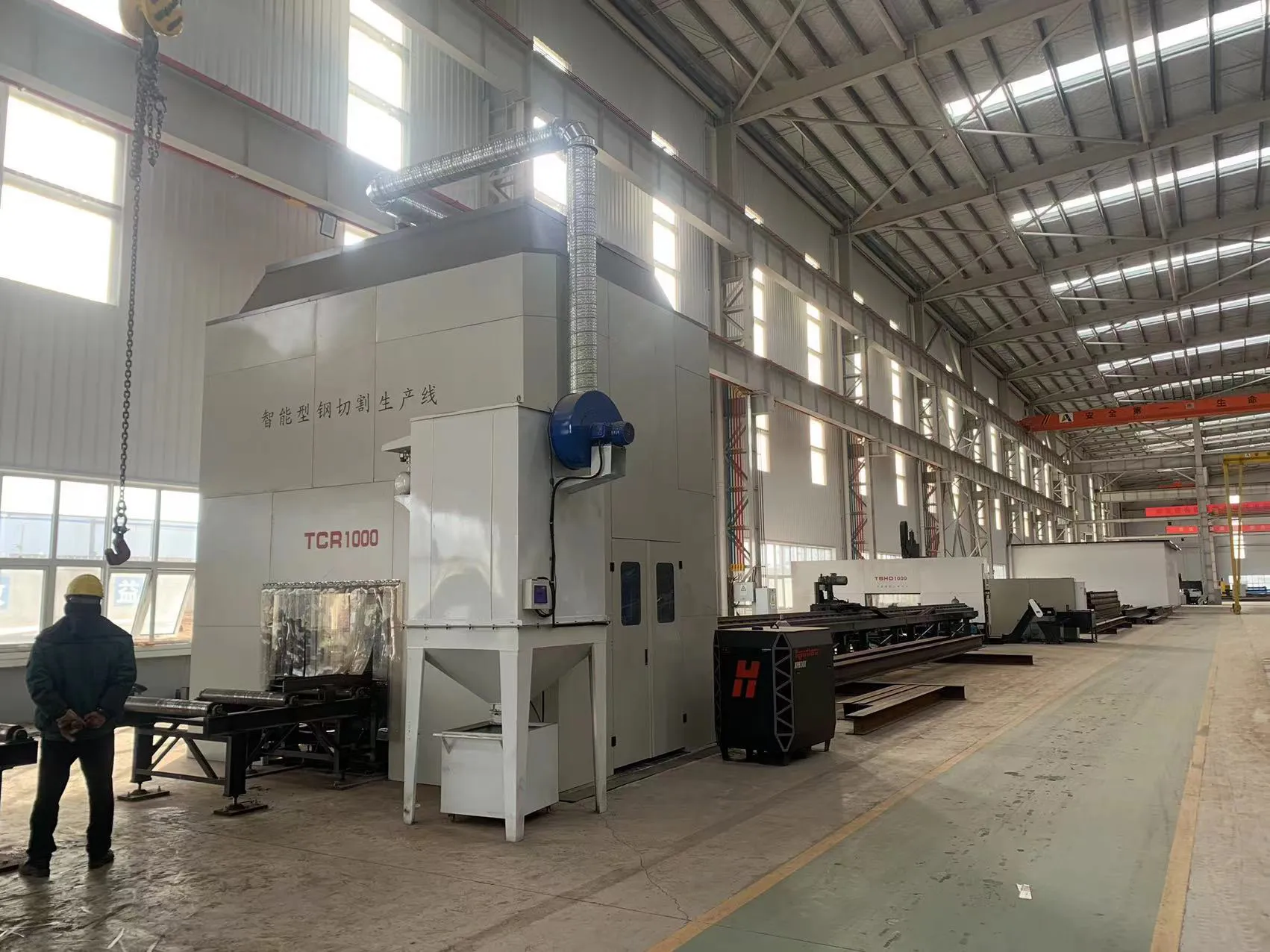
The Specifics of Cutting Brass in Tijuana’s Industrial Sector
Brass is a highly sought-after material in Tijuana’s electronics and decorative hardware industries due to its excellent conductivity and aesthetic appeal. However, for a long time, laser cutting brass was considered a high-risk operation. Brass is a “highly reflective” material. In the early days of laser technology, the laser beam would often reflect off the surface of the brass and travel back into the laser source, causing catastrophic damage to the machine’s internal optics.
Overcoming Back-Reflection with 1.5kW Fiber Lasers
Modern 1.5kW fiber laser cutting systems are equipped with advanced back-reflection protection modules. These systems detect any returning light and instantly divert it or shut down the beam to protect the resonator. For a fabrication shop in Tijuana, this means the ability to process brass alloys (such as C260 or C360) with confidence. The 1.5kW power level provides sufficient energy density to quickly melt the surface of the brass, moving past the reflective stage into the cutting stage almost instantaneously.
Thermal Conductivity and Precision
Brass has high thermal conductivity, meaning heat dissipates quickly from the point of contact. To achieve a clean cut without dross or “slag” on the underside of the part, the laser cutting process must be fast and precisely controlled. The 1.5kW fiber laser provides the necessary beam quality (M2 factor) to maintain a narrow kerf width. This is essential for the medical device components manufactured in Tijuana, where tolerances are often measured in microns.
Technical Specifications and Performance Metrics
When evaluating a 1.5kW fiber laser cutting machine for a facility in Tijuana, engineers must look beyond just the power rating. The performance of the machine is a synergy of the laser source, the motion control system, and the cutting head optics.
Cutting Thickness and Speed Parameters
For brass, a 1.5kW machine typically handles thicknesses ranging from 0.5mm to 5mm. While higher power machines (such as 3kW or 6kW) can cut thicker plates, the 1.5kW remains the most cost-effective solution for the majority of sheet metal applications in the region.
- 1mm Brass: Cutting speeds can reach up to 15-20 meters per minute.
- 3mm Brass: Speeds generally stabilize around 3-5 meters per minute.
- 5mm Brass: This is the upper limit for a 1.5kW source, requiring high-pressure nitrogen as an assist gas to ensure a clean finish.

The Role of Assist Gases
In the laser cutting of brass, the choice of assist gas is critical. Nitrogen is the standard choice for high-quality finishes. Since nitrogen is an inert gas, it prevents oxidation at the cutting edge, leaving a bright, weld-ready surface. In the competitive manufacturing environment of Tijuana, reducing post-processing steps like grinding or polishing is a key way to maintain healthy margins. High-pressure nitrogen (often exceeding 15-20 bar) is used to blow the molten brass out of the kerf before it can solidify.
Tijuana’s Geographical and Economic Advantages for Laser Fabrication
Tijuana is uniquely positioned as a gateway between the manufacturing powerhouses of Asia and the massive consumer market of the United States. This “nearshoring” trend has led to an influx of high-tech machinery into the city. A 1.5kW fiber laser cutting machine is an ideal investment for businesses looking to capitalize on this trend.
Maquiladora Integration
The Maquiladora program allows companies to import raw materials (like brass sheets) duty-free, process them using advanced laser cutting technology in Tijuana, and export the finished components back to the US or globally. The 1.5kW fiber laser fits perfectly into this workflow, offering low operational costs (due to lower power consumption compared to 4kW+ machines) and high reliability for 24/7 production environments.
Local Support and Infrastructure
As the density of fiber laser machines in Tijuana has increased, so has the local infrastructure for technical support, gas supply (Liquid Nitrogen), and spare parts (nozzles, protective windows, and ceramic rings). This reduces the downtime for local shops, making the adoption of fiber laser technology much less risky than it was a decade ago.
Operational Best Practices for Brass Cutting
To maximize the lifespan of a 1.5kW fiber laser cutting machine while working with brass, operators in Tijuana should adhere to specific technical protocols.
Focal Point Management
Brass requires a very specific focal position. Generally, for thinner sheets, the focus is kept at or slightly above the material surface. For thicker brass (3mm+), a negative focus (inside the material) may be required to widen the kerf and allow the assist gas to eject the molten metal more effectively. Modern machines equipped with auto-focus cutting heads make this transition seamless, allowing for rapid switching between different material gauges.
Nozzle Selection
Using a double-layer nozzle is often recommended for brass when using oxygen, but for the high-pressure nitrogen cutting typical of 1.5kW applications, a single-layer high-flow nozzle is standard. Keeping the nozzle clean is paramount; brass splatter can adhere to the copper nozzle, distorting the gas flow and degrading the laser cutting quality.
Maintenance and Environmental Considerations in Tijuana
Tijuana’s coastal environment presents unique challenges for high-precision machinery. The salt air and humidity can be detrimental to electronic components and sensitive optics.
Chiller Systems and Temperature Control
A 1.5kW fiber laser requires a dual-circuit water chiller. One circuit cools the laser source, while the other cools the cutting head. In Tijuana’s summer months, ensuring the chiller is properly sized and maintained is vital. Condensation is the enemy of fiber optics; therefore, the laser source cabinet should ideally be dust-sealed and air-conditioned to maintain a stable internal environment.
Optic Protection
The protective window (cover glass) is the most frequently replaced consumable. When laser cutting brass, the risk of “spatter” is higher than with stainless steel. Operators must inspect the protective window every shift. A tiny speck of dust or a brass droplet on the window can absorb the 1.5kW of energy, heat up rapidly, and crack the glass, potentially allowing contaminants to reach the focus lens itself.
Cost-Benefit Analysis of the 1.5kW Class
For most fabrication shops in Tijuana, the decision to purchase a 1.5kW machine over a 3kW machine comes down to the “Return on Investment” (ROI). While a 3kW machine is faster, the 1.5kW machine has a significantly lower purchase price and lower electrical requirements. For brass applications under 4mm, the speed difference is often negligible when compared to the total cycle time, which includes loading and unloading material.
Energy Efficiency
Fiber lasers are roughly 30-35% wall-plug efficient. A 1.5kW laser uses far less electricity than a CO2 laser of equivalent cutting capacity. In a region like Baja California, where industrial electricity rates can be a significant overhead factor, the energy savings of fiber laser cutting technology contribute directly to the bottom line.
Conclusion: The Future of Metal Fabrication in Baja California
The 1.5kW fiber laser cutting machine has become a cornerstone of the Tijuana manufacturing sector. Its ability to handle the complexities of brass—reflectivity, heat dissipation, and precision requirements—makes it an indispensable tool for the local aerospace and electronics industries. As the technology continues to evolve, with better software integration and more robust anti-reflection components, the role of laser cutting in Tijuana will only grow. For any facility looking to upgrade its capabilities, mastering the 1.5kW fiber laser is the definitive step toward remaining competitive in the global manufacturing arena.
















