Industrial Precision in Guadalajara: The 1.5kW Fiber Laser Advantage
In the heart of Mexico’s technological hub, Guadalajara, the manufacturing sector is undergoing a rapid transformation. Known as the “Silicon Valley of Mexico,” the region demands high-efficiency tools that can handle both delicate craftsmanship and heavy industrial production. The 1.5kW fiber laser cutting machine has emerged as the gold standard for small to medium enterprises (SMEs) in Jalisco, particularly those specializing in non-ferrous metals like brass. This power rating provides a perfect balance between capital investment and operational capability, allowing workshops in areas like Zapopan and Tlaquepaque to achieve tolerances that were previously impossible with mechanical shearing or plasma methods.
The transition to fiber technology represents a significant leap from traditional CO2 lasers. Fiber lasers utilize a solid-state gain medium, typically an optical fiber doped with rare-earth elements such as ytterbium. This results in a beam with a much smaller wavelength—approximately 1.06 microns—which is absorbed more efficiently by metals. For the industrial landscape of Guadalajara, where precision and speed are paramount, the 1.5kW fiber laser cutting machine offers a pathway to global competitiveness.

Understanding the 1.5kW Fiber Laser Source
The 1.5kW power level is a strategic choice for many Guadalajara-based fabricators. While higher wattages (6kW to 12kW) exist for thick plate processing, the 1.5kW source is optimized for thin to medium-gauge materials. In the context of laser cutting, “1.5kW” refers to the continuous output power of the laser beam. This power is sufficient to penetrate brass up to 5mm or 6mm with high edge quality, depending on the specific alloy and the assist gas used. The fiber source is known for its “wall-plug efficiency,” meaning it converts electrical energy into laser light with minimal waste, reducing overhead costs for local businesses.
The Metallurgy of Brass in Laser Cutting Applications
Brass, an alloy of copper and zinc, is notoriously difficult to process using traditional laser methods. It is categorized as a “highly reflective” material. In its solid state, brass reflects a significant portion of infrared light. If a laser cutting system is not properly configured, this reflected energy can travel back through the delivery fiber and damage the laser source—a phenomenon known as back-reflection. Modern 1.5kW fiber lasers are equipped with optical isolators and advanced sensors that protect the machine, making the laser cutting of brass a safe and repeatable process for Guadalajara’s artisans and engineers.
Technical Specifications and Performance Metrics
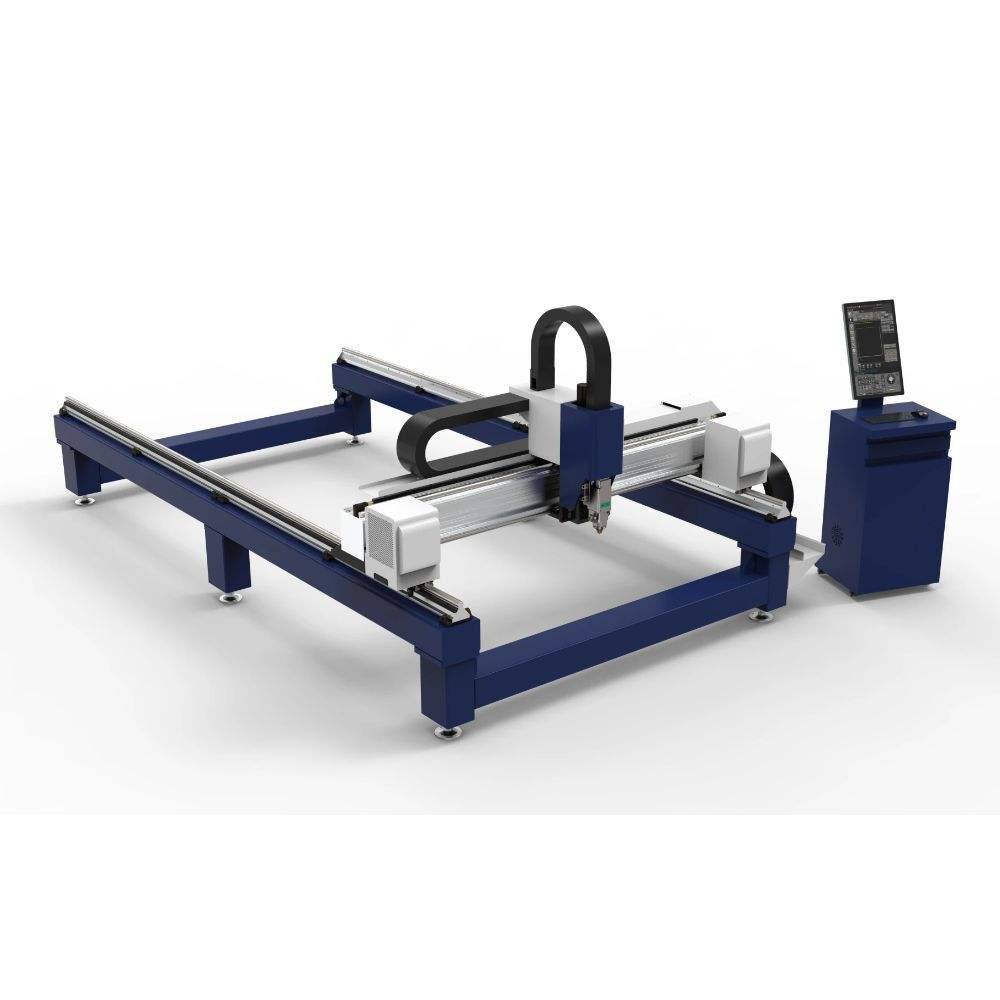
When evaluating a 1.5kW fiber laser cutting machine for the Mexican market, several technical parameters must be considered to ensure optimal performance with brass. The machine’s bed size, typically 1500x3000mm, is standard for the region, fitting the common sheet sizes supplied by local metal distributors. However, the true performance lies in the motion control system and the laser head’s focal dynamics.
Power Density and Beam Quality
The efficiency of laser cutting is not just about raw power; it is about power density. A 1.5kW fiber laser focuses its energy into a spot size as small as 10 to 100 microns. This intense concentration of energy instantly vaporizes the brass, creating a narrow kerf (the width of the cut). For Guadalajara’s electronics industry, this allows for the production of intricate busbars and connectors with minimal heat-affected zones (HAZ). Maintaining a high Beam Parameter Product (BPP) ensures that the laser remains stable even during high-speed maneuvers.
Assist Gases: Nitrogen vs. Oxygen for Brass
The choice of assist gas is critical when laser cutting brass in an industrial setting.
- Nitrogen: Used for high-pressure cutting, Nitrogen acts as a mechanical force to blow the molten brass out of the kerf without allowing it to oxidize. This results in a bright, clean edge that requires no post-processing—ideal for decorative items sold in Guadalajara’s high-end markets.
- Oxygen: While less common for brass, Oxygen can be used to speed up the process in thicker sections by creating an exothermic reaction. However, this often leaves a darkened, oxidized edge that may require cleaning.
- Compressed Air: For 1.5kW systems, high-pressure filtered air is a cost-effective alternative for thinner brass sheets, providing a balance between speed and finish quality.
Operational Challenges with Reflective Materials
Processing brass in Guadalajara requires a deep understanding of the material’s thermal properties. Brass has high thermal conductivity, meaning heat dissipates quickly from the cutting point into the surrounding material. This can lead to warping in thin sheets if the laser cutting parameters are not finely tuned. A 1.5kW machine must maintain a high feed rate to “outrun” the thermal conduction, ensuring that the energy is used for vaporization rather than heating the entire workpiece.
Mitigating Back-Reflection
As mentioned, back-reflection is the primary enemy when laser cutting brass. Engineering teams in Jalisco must ensure their machines utilize “n-Light” or “IPG” sources that feature hardware-based protection against back-reflection. Furthermore, software-level protections in the CNC controller (such as CypCut) can detect if the beam is being reflected and immediately shut down the process to prevent catastrophic failure of the optical delivery system.
Applications in the Guadalajara Manufacturing Sector
The versatility of the 1.5kW fiber laser cutting machine makes it an indispensable asset across various sectors in the Guadalajara metropolitan area. From heavy industry to delicate jewelry, the applications are vast.
Jewelry and Decorative Arts in Tlaquepaque
Tlaquepaque is world-renowned for its metalwork and jewelry. Brass is a favorite medium for local artists due to its gold-like appearance. A 1.5kW laser allows these creators to cut intricate patterns, filigree, and custom components with a level of detail that hand-sawing cannot match. The precision of laser cutting ensures that every piece in a production run is identical, which is crucial for export-quality goods.
Electrical and Electronic Components in Zapopan
Zapopan hosts a high concentration of electronics manufacturing services (EMS). Brass is frequently used for grounding plates, shields, and various conductive components. The 1.5kW fiber laser cutting machine provides the necessary speed to keep up with just-in-time (JIT) manufacturing requirements. The ability to switch between different thicknesses of brass without changing heavy tooling allows for incredible flexibility in production scheduling.
Maintenance and Environmental Considerations for Jalisco
Guadalajara’s climate, characterized by a distinct rainy season and periods of high temperature, necessitates a robust maintenance schedule for laser cutting equipment. High humidity can affect the stability of the high-voltage components, while heat can tax the cooling systems.
Cooling Systems and Thermal Management
A 1.5kW fiber laser generates significant heat within the laser source and the cutting head. A dual-circuit water chiller is mandatory. In Guadalajara, where ambient temperatures can rise significantly in the spring, the chiller must be sized correctly to maintain the laser source at a constant 22-25°C. Failure to manage temperature will result in wavelength drift, reducing the efficiency of the laser cutting process on reflective brass.
Optical Path Integrity
The “fiber” in fiber laser means the beam is delivered through a flexible cable, but the final delivery happens through a series of lenses in the cutting head. In an industrial environment, dust and metallic particles are inevitable. Regular inspection of the protective windows is essential. Even a speck of dust on the lens can absorb the 1.5kW beam energy, causing the lens to crack or “burn,” which leads to poor cut quality and potential downtime.
Safety Protocols for 1.5kW Fiber Laser Systems
Safety is a non-negotiable aspect of laser cutting. The 1.06-micron beam of a fiber laser is invisible to the human eye and can cause permanent blindness instantly, even through indirect reflection.
- Class 4 Laser Enclosures: It is highly recommended that machines in Guadalajara be fully enclosed with laser-safe glass (OD6+ rating) to protect operators.
- Fume Extraction: Laser cutting brass releases zinc oxide fumes, which can cause “metal fume fever.” A high-capacity extraction and filtration system is necessary to maintain air quality within the workshop.
- Operator Training: Given the technical nature of the 1.5kW system, operators must be trained in both the CNC software and the physical safety requirements of the machine.
Conclusion
The 1.5kW fiber laser cutting machine is a transformative tool for the Guadalajara manufacturing landscape. By mastering the nuances of laser cutting brass—from managing reflectivity to optimizing assist gas pressures—local businesses can elevate their production quality to international standards. As Jalisco continues to grow as a global industrial leader, the integration of advanced fiber laser technology will remain a cornerstone of its economic success. Whether for the intricate designs of Tlaquepaque or the high-tech components of Zapopan, the 1.5kW fiber laser offers the precision, efficiency, and reliability required for the modern era of manufacturing.