600 × 600 mm vs 1,000 × 1,000 mm Small Format Fiber Laser
When comparing a 600 × 600 mm and a 1,000 × 1,000 mm small-format fiber laser cutting machine, start with your actual blanks and parts. The smaller bed may suit compact components and limited floor space. The larger bed may reduce the number of setups for bigger parts or a larger nest, but it also needs more room for the machine and material handling.
On this page
Quick comparison
| Consideration | 600 × 600 mm | 1,000 × 1,000 mm |
|---|---|---|
| Part size | Better suited to compact blanks and smaller components. | Provides more room for larger blanks, subject to actual usable travel. |
| Batch layout | May require more setups for a larger batch or larger nest. | May fit more parts in a job, depending on geometry and nesting. |
| Material handling | Smaller blanks can be easier to stage and move. | Plan for handling larger blanks and loading access. |
| Workshop fit | Useful when floor space is constrained. | Requires more operating and service clearance. |
| Best decision test | Check the largest blank and typical batch size. | Check whether the larger area reduces setup time or material waste. |
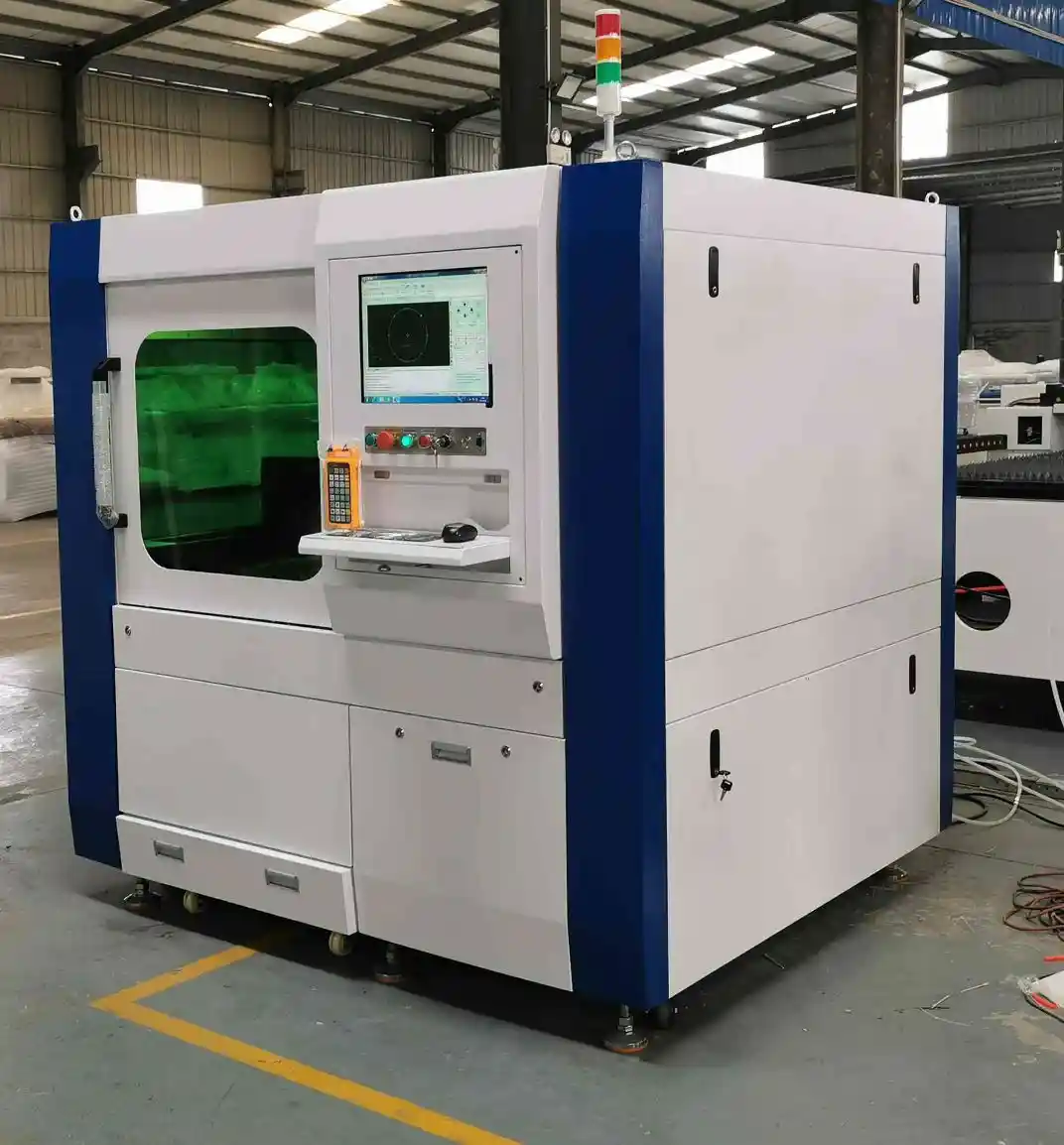
PCL lists 600 × 600 mm and 1,000 × 1,000 mm effective working-area options for its small laser series, with 1–3 kW fiber laser configurations. The product page also lists positioning accuracy of ±0.01 mm and repositioning accuracy of ±0.005 mm. Confirm the exact model, measurement conditions and configuration before using these specifications for a tolerance-critical application.
Measure the blank, not just the finished part
A finished component can be much smaller than the sheet blank required to cut it. Before choosing a bed, check the largest raw blank, part orientation, lead-ins, tabs, spacing between parts and the edge margin required by your nesting process. A part that appears to fit on paper may need a larger working area once the complete cutting layout is considered.
For a reliable comparison, prepare several examples: the largest single part, a typical production nest and a small-part batch. Ask the supplier to review the actual DXF files and confirm whether the proposed bed can process each layout without splitting the job.
Check the full footprint and workflow
The working area is not the same as the complete machine footprint. Ask for overall dimensions, operator access, loading direction, electrical cabinet position, chiller location and maintenance clearance. Also consider how blanks arrive at the machine and where finished parts will be placed.
When is 600 × 600 mm a practical choice?
- Your regular blanks and nests fit comfortably within the usable area.
- Most work consists of small brackets, precision components or short production runs.
- Workshop space or manual material handling is a major constraint.
- You have checked that common jobs will not need frequent repositioning or splitting.
When should you consider 1,000 × 1,000 mm?
- Your largest regular parts do not fit comfortably on a 600 × 600 mm bed.
- A bigger nest could reduce repeated setup or improve batch planning.
- You can safely handle the larger blanks and have adequate operating space.
- The additional working area supports a defined production need rather than a hypothetical future job.
Questions to include in a small laser quote request
- What are the largest blank and finished-part dimensions?
- Which materials and thicknesses do you process most often?
- How many parts do you cut per batch or shift?
- What are the machine’s overall dimensions and loading method?
- Which laser power, source, controller, enclosure and chiller are included?
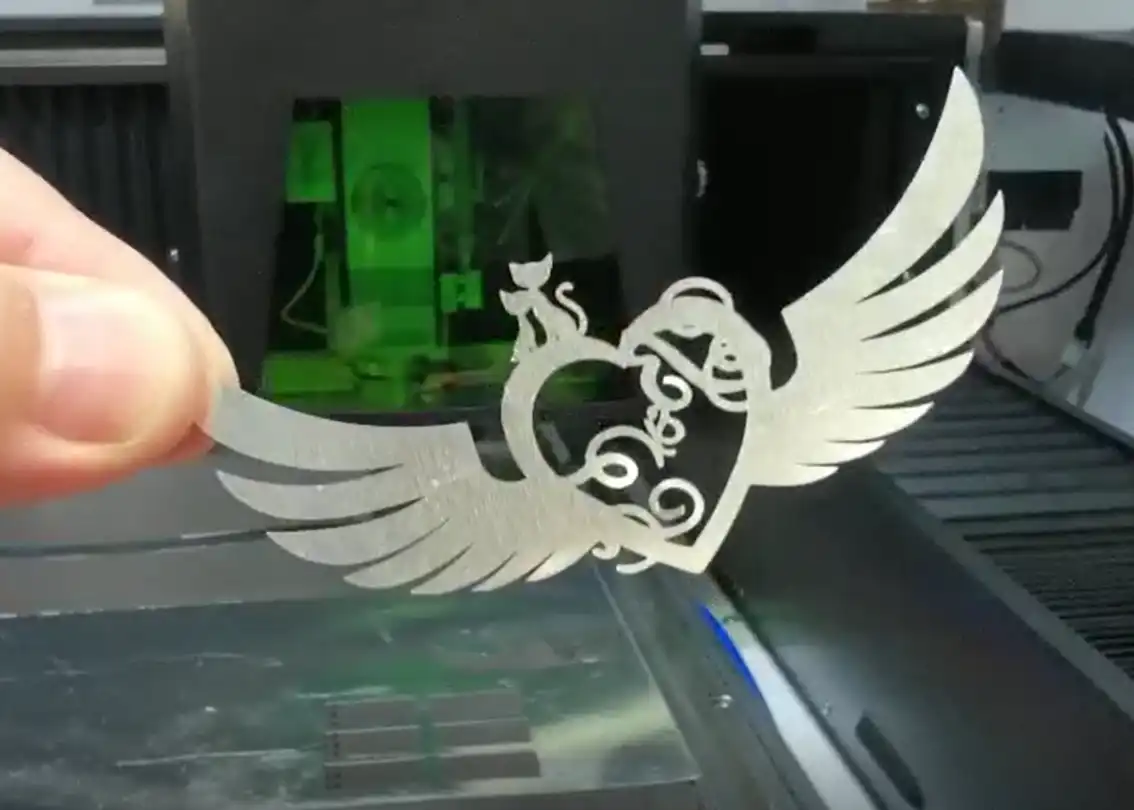
- Can the supplier run a sample cut from one of your drawings?
See the PCL small laser cutting machine page for the listed small-format configurations. Send a representative part drawing and blank size to compare the 600 × 600 mm and 1,000 × 1,000 mm options.