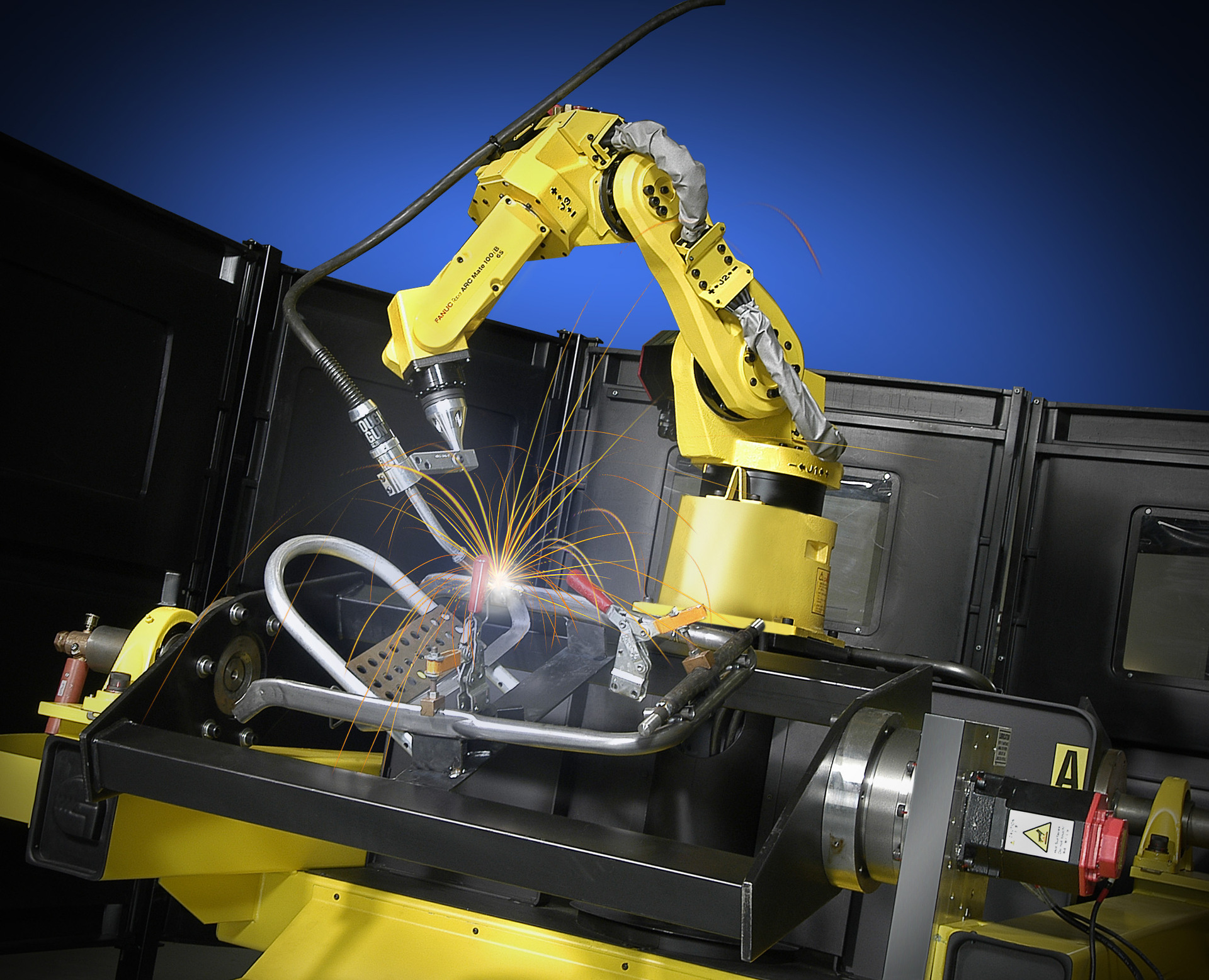
The Dawn of High-Power Laser Profiling in Rayong
Rayong has long been the heartbeat of Thailand’s heavy industry, but the demands of modern modular construction have outpaced the capabilities of traditional fabrication methods. The introduction of the 6000W Fiber laser cutting Machine designed specifically for H-beams and structural profiles represents a quantum leap in production capacity. As a fiber laser expert, I have observed that the 6000W power threshold is the “sweet spot” for structural steel. It provides the necessary flux to pierce through thick-walled H-beams (often exceeding 20mm) with a narrow Heat Affected Zone (HAZ), ensuring that the metallurgical properties of the steel remain uncompromised.
In the context of Rayong’s industrial parks, where efficiency is measured in seconds and millimeters, the 6000W engine offers a cutting speed that is four to five times faster than plasma cutting and infinitely more precise than oxy-fuel. This power level allows for the high-speed processing of carbon steel, stainless steel, and even aluminum alloys, which are increasingly being utilized in specialized modular units.
Precision Engineering for Modular Construction
Modular construction relies on the “Lego-block” principle: every component must fit perfectly the first time. If an H-beam in a modular frame is off by even two millimeters, the cumulative error across a ten-story assembly can be catastrophic. The 6000W H-beam laser solves this through a multi-axis 3D cutting head. Unlike flatbed lasers, these machines utilize rotating chucks and five-axis heads to cut across the flanges and the web of the H-beam in a single continuous process.
This allows for complex geometries, such as interlocking joints, miter cuts, and high-precision bolt holes, to be executed without moving the workpiece to a separate drilling station. For modular builders in Rayong, this means that the beams arriving at the assembly site are ready for immediate bolting or welding, with zero onsite rectification required. The laser’s ability to create “easy-to-weld” bevels during the cutting process further accelerates the assembly of modular structural frames.
The Science of Zero-Waste Nesting
One of the most significant overheads in structural steel fabrication is “drop”—the unused ends of H-beams that are too short for structural use and are eventually sold as scrap. In a high-volume modular factory, this waste can represent 10% to 15% of total material costs. The integration of Zero-Waste Nesting software is the antidote to this inefficiency.
This software uses advanced algorithms to analyze the entire production queue and “nest” parts of varying lengths and configurations onto a single raw beam. The 6000W laser’s precision allows for “common-line cutting,” where one cut serves as the edge for two separate parts. Furthermore, the machine’s secondary chuck system can hold the very end of the beam, allowing the laser to cut within millimeters of the clamp. This “short-tailing” technology ensures that the final remnant is negligible. For a Rayong-based contractor handling thousands of tons of steel annually, the move to zero-waste nesting can result in millions of Baht in material savings, directly impacting the bottom line of modular projects.
Rayong: The Strategic Hub for EEC Modular Projects
Rayong’s geographical location within the EEC provides a unique logistical advantage. As the Thai government pushes for “Thailand 4.0,” the local infrastructure is being built to support smart factories. A 6000W H-beam laser facility in Rayong is perfectly positioned to serve not only the domestic market—such as the rapid urbanization projects in Bangkok—but also international exports via the Laem Chabang Port.
The automotive and petrochemical expertise already present in Rayong means there is a ready workforce capable of upskilling into high-tech laser operation. The transition from manual fabrication to CNC-controlled laser profiling fits the regional trend of industrial digitization. By adopting these machines, Rayong-based firms are moving away from being “low-cost labor” providers and becoming “high-tech solution” providers for the global modular construction market.
Operational Advantages of the 6000W Fiber Engine
From a technical standpoint, the 6000W fiber laser source offers several advantages over older CO2 or plasma technologies.
1. **Energy Efficiency:** Fiber lasers have a much higher “wall-plug efficiency.” In a region like Rayong where industrial electricity costs are a factor, the lower power consumption per cut is a vital competitive edge.
2. **Maintenance:** With no mirrors to align and a solid-state laser source, the uptime for these machines is significantly higher. In the 24/7 production cycles required for modular housing components, reliability is paramount.
3. **Beam Quality:** The 6000W fiber source produces a highly concentrated beam with a high power density. This results in a cleaner kerf and a smooth finish on the H-beam’s edges, eliminating the need for secondary grinding or deburring.
Environmental Impact and Sustainability
The construction industry is under increasing pressure to reduce its carbon footprint. Traditional steel fabrication is noisy, produces significant dust, and results in high material waste. The 6000W H-beam laser, combined with zero-waste nesting, is a much “greener” alternative. The precision of the laser reduces the amount of welding filler required by ensuring tight-fitting joints, which in turn reduces the energy consumption of the welding process.
Furthermore, the reduction in scrap means fewer raw materials need to be transported and processed, lowering the embodied carbon of the modular building. For developers in Rayong looking to achieve LEED or TREES (Thai Rating of Energy and Environmental Sustainability) certification, laser-cut structural components are a significant step in the right direction.
The Synergy of Automation and Software
The true power of the 6000W H-beam laser lies in its digital twin integration. Most machines now support direct BIM (Building Information Modeling) file imports. A structural engineer in an office in Bangkok can design a modular frame, and the data can be sent directly to the machine in Rayong. The zero-waste nesting software then automatically determines the most efficient way to cut those beams from the current stock.
This end-to-end digital workflow eliminates human error in measurement and layout. In the modular world, where a single project might involve thousands of unique beams, this level of automation is the only way to maintain high throughput without compromising on quality. The machine doesn’t just cut; it marks parts with QR codes for easy tracking through the assembly line, ensuring that the logistics of the modular build are as precise as the cuts themselves.
Conclusion: The Future of Structural Steel in Thailand
The deployment of 6000W H-Beam Laser Cutting Machines with Zero-Waste Nesting in Rayong is more than just an equipment upgrade; it is a fundamental shift in how we build. As modular construction becomes the standard for hospitals, hotels, and high-rise residences, the demand for precision-engineered steel will only grow.
For the Rayong industrial sector, this technology provides the tools to compete on a global scale. By combining the raw power of a 6000W fiber engine with the intelligence of zero-waste software, fabricators are proving that industrial growth and environmental responsibility can go hand in hand. As a fiber laser expert, I see this as the beginning of a new era where Thai engineering and advanced laser technology converge to build the cities of the future, one perfectly cut H-beam at a time.