Optimizing Industrial Production: The 4kW Fiber laser cutting Machine for Brass in Toluca
Toluca, State of Mexico, has solidified its position as one of the most critical industrial corridors in North America. With a heavy concentration of automotive, aerospace, and electrical manufacturing plants, the demand for precision metal fabrication is at an all-time high. Among the various materials processed in this region, brass stands out due to its excellent conductivity, corrosion resistance, and aesthetic appeal. However, brass presents unique challenges for traditional fabrication methods. The introduction of the 4kW fiber laser cutting machine has revolutionized how local manufacturers approach this reflective alloy, offering a blend of speed, precision, and cost-effectiveness that was previously unattainable.
The Technical Superiority of 4kW Fiber Laser Technology
A 4kW fiber laser cutting system utilizes an optical fiber doped with rare-earth elements as its gain medium. Unlike CO2 lasers, which rely on gas mixtures and mirrors, fiber lasers generate the beam within the fiber and deliver it via a flexible cable to the cutting head. This solid-state architecture provides several engineering advantages. At a 4kW power level, the machine achieves a power density high enough to overcome the high reflectivity of non-ferrous metals like brass and copper.
The wavelength of a fiber laser is approximately 1.06 microns, which is significantly better absorbed by yellow metals compared to the 10.6-micron wavelength of CO2 lasers. This increased absorption rate allows for faster processing speeds and cleaner edges. In the context of Toluca’s competitive manufacturing sector, the ability to process more parts per hour directly translates to a stronger market position and higher profit margins.
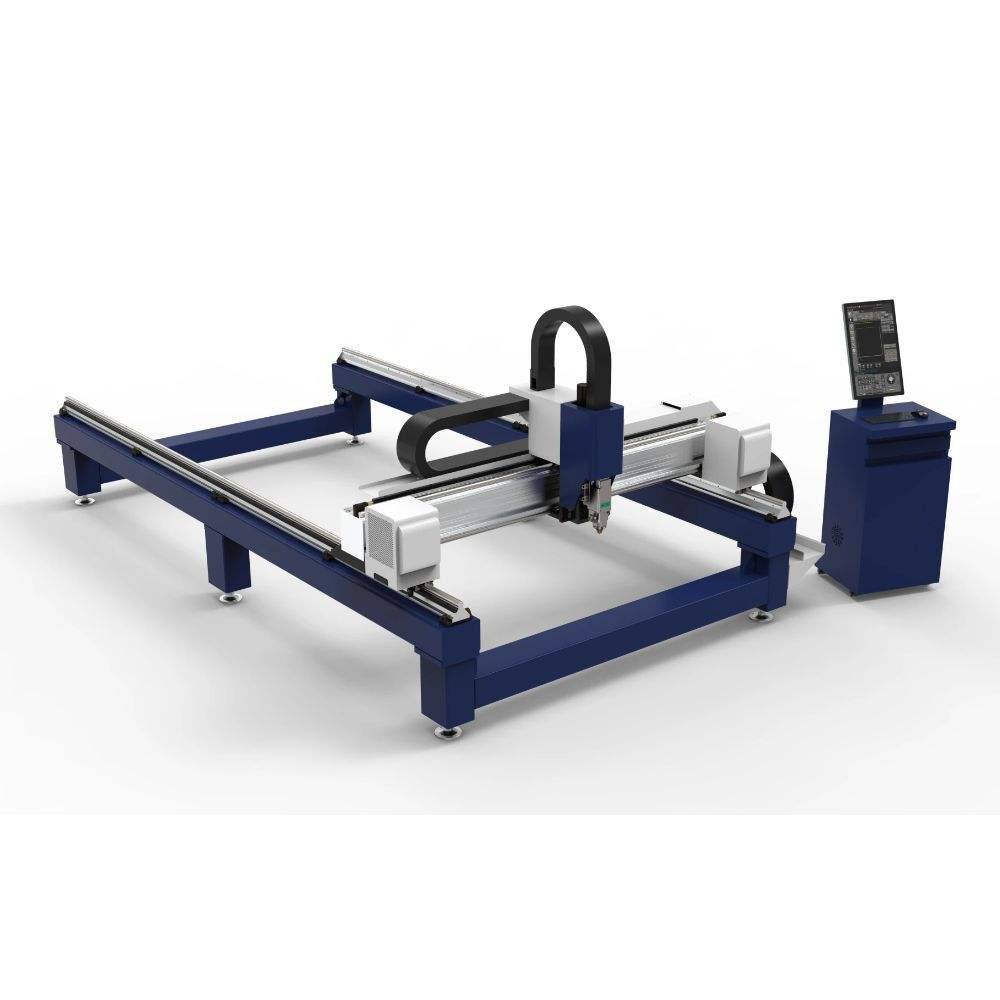
 laser cutting machine” style=”width: 100%; max-width: 800px; height: auto; margin: 20px 0;”>
Understanding the Challenges of Cutting Brass
Brass is an alloy of copper and zinc, both of which are highly reflective and possess high thermal conductivity. In the early days of laser cutting, brass was considered a “forbidden” material because the reflected laser energy could travel back through the optics and destroy the laser source. Modern 4kW fiber lasers are equipped with back-reflection isolation systems that protect the resonator, allowing for continuous operation on highly reflective surfaces.
Furthermore, the high thermal conductivity of brass means that heat dissipates rapidly from the cut zone. A 4kW power source provides the necessary energy to maintain a stable melt pool, ensuring that the material is vaporized or blown away by the assist gas before the heat can distort the surrounding area. This results in a minimal Heat Affected Zone (HAZ), which is crucial for components requiring tight tolerances in the automotive and electronics industries of Toluca.
Optimizing Parameters for Brass Fabrication in Toluca
To achieve the best results with a 4kW fiber laser, engineers in Toluca must fine-tune several critical parameters. These include the choice of assist gas, nozzle diameter, focal position, and cutting speed. Because Toluca sits at a high altitude (approximately 2,660 meters above sea level), atmospheric pressure can affect gas dynamics, making precise calibration even more essential.
Assist Gas Selection: Nitrogen vs. Oxygen
For most brass applications, Nitrogen is the preferred assist gas. Nitrogen acts as a shielding agent, preventing oxidation of the cut edge. This results in a “bright” finish that requires no secondary cleaning or polishing, which is ideal for decorative architectural elements or electrical connectors. When using a 4kW system, high-pressure Nitrogen (typically 15-20 bar) is used to mechanically eject the molten brass from the kerf.
Oxygen can be used for thicker brass plates to facilitate an exothermic reaction, adding thermal energy to the process. However, this often results in an oxidized edge that may require post-processing. For the precision-heavy industries in Toluca, Nitrogen-assisted laser cutting remains the gold standard for maintaining material integrity and aesthetic quality.
Nozzle and Focal Point Management
A 4kW laser requires specialized nozzles to handle the gas flow and protect the protective window of the cutting head. For brass, a “double” or “conical” nozzle is often used to stabilize the gas jet. The focal point is typically set slightly below the surface of the material to ensure that the energy is concentrated within the thickness of the plate, promoting a clean exit of the melt and minimizing dross (slag) on the underside of the part.
Applications in Toluca’s Industrial Ecosystem
The versatility of the 4kW fiber laser has made it a staple in various sectors across the Toluca valley. From the massive automotive assembly plants to the niche electronics manufacturers, the ability to cut brass with high precision has opened new doors for local engineering firms.
Automotive and Electrical Components
Toluca is home to numerous Tier 1 and Tier 2 automotive suppliers. Brass is frequently used in these environments for busbars, terminals, and radiator components due to its electrical and thermal properties. A 4kW laser cutting machine allows these suppliers to produce complex geometries with tolerances as tight as +/- 0.05mm. This precision is vital for the assembly of modern electric vehicle (EV) components, where space is limited and electrical efficiency is paramount.
Decorative and Architectural Hardware
Beyond the industrial sector, Toluca also supports a vibrant construction and interior design market. Brass is a premium material for signage, luxury hardware, and decorative screens. The 4kW laser enables the intricate “lace-like” cutting of brass sheets that would be impossible or prohibitively expensive with mechanical stamping or waterjet cutting. The high speed of the fiber laser also makes short-run custom projects economically viable.
Maintenance and Operational Excellence
Investing in a 4kW fiber laser cutting machine is a significant capital expenditure. For businesses in Toluca, ensuring the longevity and reliability of the equipment is essential for a positive Return on Investment (ROI). Fiber lasers are generally lower maintenance than CO2 lasers because they lack moving parts in the beam generation source and do not require mirror alignments.
Environmental Considerations in Toluca
The local climate in Toluca, characterized by cool temperatures and varying humidity, necessitates a robust industrial chiller system. The 4kW laser source and the cutting head generate significant heat during operation. A dual-circuit water chiller is required to keep the laser source at a constant temperature (usually around 22-25°C) and the optics slightly warmer to prevent condensation. Regular checks of the water quality and filter replacements are mandatory to prevent internal scaling that could degrade the beam quality.
Optical Integrity
Because brass is reflective, the protective windows (cover slips) in the cutting head must be inspected daily. Even a tiny speck of dust or a microscopic splash of molten metal can absorb laser energy, leading to thermal cracking of the lens. Local operators in Toluca are encouraged to maintain a “clean room” mentality when handling optics, ensuring that the laser cutting process remains uninterrupted and the beam profile stays Gaussian.
Economic Impact and Future Outlook
The adoption of 4kW fiber laser technology is a key driver of the “Industria 4.0” movement in Mexico. By reducing scrap rates and eliminating the need for expensive tooling, manufacturers in Toluca can compete on a global scale. The speed of the 4kW system—capable of cutting 3mm brass at speeds exceeding 8 meters per minute—allows local shops to take on larger contracts that were previously outsourced to international competitors.
As the technology continues to evolve, we can expect even higher levels of automation, such as integrated loading and unloading systems and AI-driven nesting software that maximizes material utilization. For the brass fabrication industry in Toluca, the 4kW fiber laser is not just a tool; it is a catalyst for industrial growth and engineering excellence.
Conclusion
The 4kW fiber laser cutting machine represents the pinnacle of modern fabrication for non-ferrous metals. In the demanding industrial landscape of Toluca, its ability to handle the complexities of brass—reflectivity, heat dissipation, and precision requirements—makes it an indispensable asset. By understanding the technical nuances of the laser cutting process and maintaining the equipment to the highest standards, Toluca-based manufacturers can ensure high-quality output, operational efficiency, and a sustainable competitive advantage in the global marketplace. Whether for high-volume automotive parts or bespoke architectural designs, the 4kW fiber laser is the key to unlocking the full potential of brass fabrication.













