The Evolution of Industrial Manufacturing: The 40kW Fiber laser cutting Machine
The industrial landscape of Puebla, Mexico, has long been a cornerstone of North American manufacturing. As the region continues to evolve into a global hub for automotive, aerospace, and heavy structural engineering, the demand for high-precision, high-throughput technology has never been greater. At the forefront of this technological shift is the 40kW fiber laser cutting machine. This ultra-high-power system represents the pinnacle of modern thermal cutting, offering capabilities that were once considered impossible for fiber sources. By integrating a 40kW system into the production line, manufacturers in Puebla are redefining the boundaries of carbon steel processing, moving away from traditional plasma and oxy-fuel methods toward a more efficient, precise, and cost-effective future.
The transition to 40kW is not merely an incremental upgrade; it is a paradigm shift. In an environment like Puebla, where Tier 1 and Tier 2 automotive suppliers must meet rigorous international standards, the ability to process thick-section carbon steel with surgical precision is a significant competitive advantage. This guide explores the technical intricacies, operational advantages, and regional relevance of 40kW fiber laser cutting technology, specifically tailored for the robust carbon steel requirements of the Puebla industrial corridor.
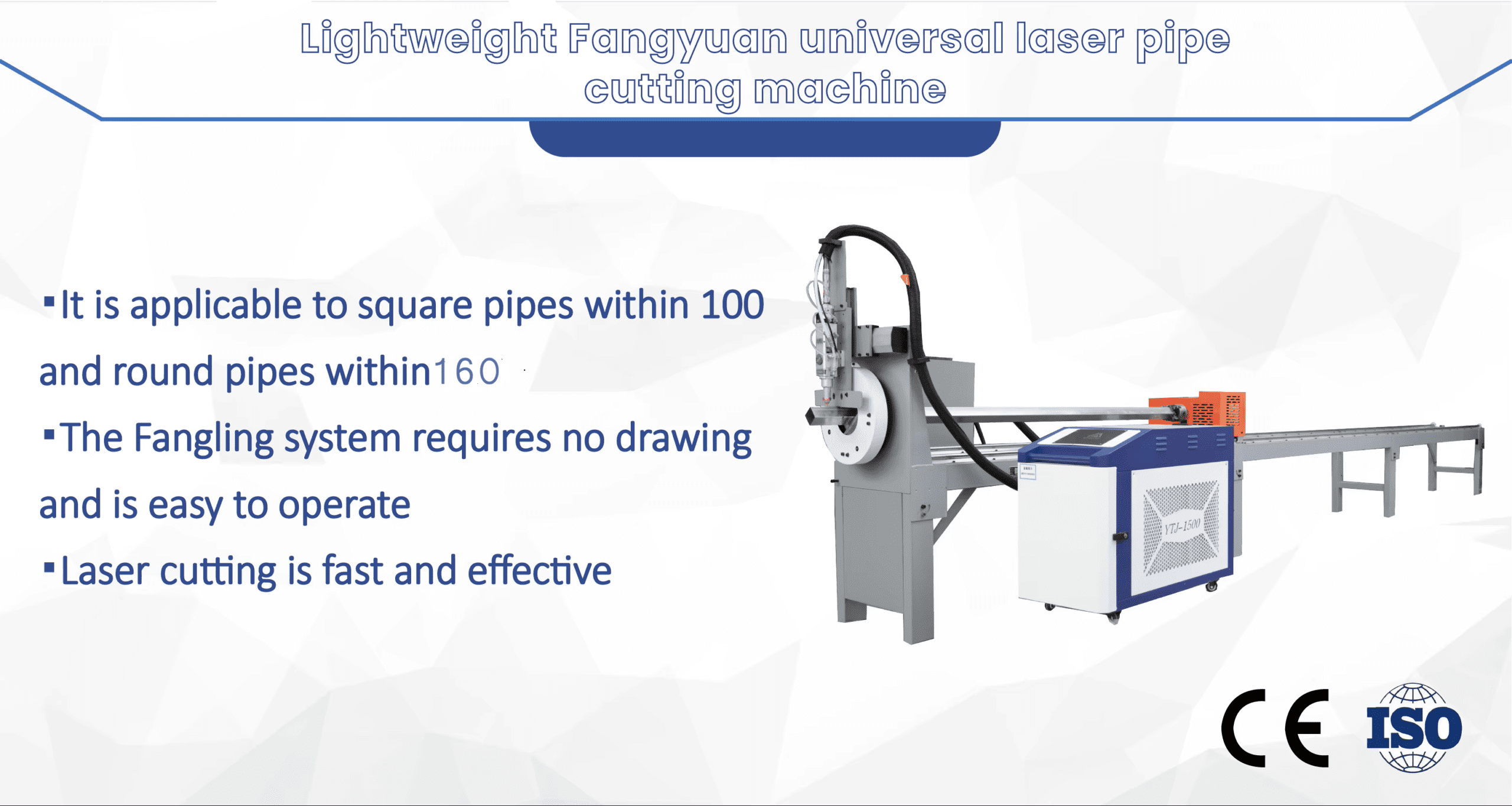
Technical Specifications and Power Dynamics
A 40kW fiber laser cutting machine operates on the principle of stimulated emission, where a laser beam is generated through a series of pump diodes and fiber-optic cables. The “40kW” designation refers to the continuous wave output power available at the cutting head. For carbon steel, this level of power is transformative. While 10kW or 20kW machines are excellent for medium-gauge materials, the 40kW variant excels in high-speed processing of thin materials and high-quality penetration of ultra-thick plates.
The power density of a 40kW beam allows for a much smaller heat-affected zone (HAZ) compared to lower-power alternatives. This is critical when working with carbon steel grades commonly used in Puebla’s construction and automotive sectors, such as A36 or A572. The concentrated energy vaporizes the metal almost instantly, allowing the assist gas—typically oxygen for thick carbon steel—to clear the molten material with minimal thermal transfer to the surrounding area. This results in superior edge quality and dimensional stability, reducing the need for secondary finishing processes like grinding or deburring.
Processing Carbon Steel: The Puebla Perspective
In the state of Puebla, carbon steel is the lifeblood of the manufacturing sector. From the chassis of heavy-duty vehicles to the structural frameworks of industrial warehouses, the versatility of carbon steel is unmatched. However, processing thick carbon steel (above 25mm) has traditionally been the domain of plasma cutting. The 40kW fiber laser cutting system changes this dynamic by offering speeds that are three to five times faster than plasma for thicknesses up to 50mm, while maintaining a much tighter tolerance.
When cutting carbon steel with a 40kW laser, the choice of assist gas is paramount. Oxygen is generally used for thicker plates to leverage the exothermic reaction, which adds thermal energy to the cutting process and facilitates faster speeds. However, for thinner gauges or when a paint-ready edge is required without the need for pickling, high-pressure nitrogen or compressed air can be utilized. The 40kW source provides enough raw energy to overcome the reflective and absorptive challenges of these gases, ensuring a clean, oxide-free cut even at high velocities.

Operational Efficiency and Edge Quality
One of the primary advantages of 40kW laser cutting is the “bright surface” cutting capability. In the past, laser-cut edges on thick carbon steel often exhibited a rough, striated texture. With the advanced beam shaping and oscillation technology found in modern 40kW heads, it is now possible to achieve a smooth, mirror-like finish on carbon steel up to 30mm thick. This is particularly valuable for Puebla’s machinery manufacturers who require precise fit-up for welding and assembly.
Furthermore, the 40kW system minimizes the “taper” effect. In lower-power laser cutting, the beam loses intensity as it penetrates deeper into the material, often resulting in a wider cut at the bottom than at the top. The sheer intensity of a 40kW source ensures that the kerf remains consistent throughout the thickness of the plate. For structural components used in Puebla’s civil engineering projects, this level of precision ensures that bolt holes and interlocking joints align perfectly every time, significantly reducing labor costs during on-site assembly.
Infrastructure Requirements for Ultra-High Power
Operating a 40kW fiber laser cutting machine in Puebla requires a robust infrastructure. The electrical demand is substantial, necessitating a stable power grid and often a dedicated transformer to handle the peak loads during piercing operations. Additionally, the cooling requirements are intense. A high-capacity industrial chiller is mandatory to maintain the temperature of the laser source and the cutting head, as even a minor fluctuation can affect beam quality and component longevity.
Environmental control is another factor. Puebla’s altitude and climate can influence the performance of compressed air systems. When using air as an assist gas, the filtration system must be top-tier to ensure no moisture or oil contaminants reach the 40kW optics. At such high power levels, any contamination on the protective window can lead to rapid thermal runaway and catastrophic failure of the cutting head. Therefore, a clean-room environment for lens replacement and a rigorous maintenance schedule are essential for maximizing uptime.
The Economic Impact on Puebla’s Industrial Sector
The investment in a 40kW fiber laser cutting machine is significant, but the Return on Investment (ROI) is driven by sheer throughput. In a high-volume market like Puebla, the ability to cut more parts per hour than any competitor is the fastest route to profitability. By consolidating multiple lower-power machines into a single 40kW unit, manufacturers can save on floor space, reduce labor costs, and lower their overall energy consumption per part.
Moreover, the versatility of the 40kW system allows shops to diversify their service offerings. A single machine can handle 1mm decorative sheets and 50mm industrial base plates with equal ease. This flexibility is vital for job shops in Puebla that serve a wide variety of industries, from local agricultural equipment makers to multinational automotive giants. The “laser cutting” capability at 40kW effectively eliminates the bottleneck often found in the fabrication stage, allowing for a leaner, more responsive supply chain.
Software Integration and Smart Manufacturing
To truly harness the power of a 40kW system, advanced CAD/CAM software is required. Nesting algorithms must be optimized for high-speed cutting to minimize material waste, which is a critical cost factor when dealing with high-grade carbon steel. Modern systems feature “fly-cutting” and “frog-leap” movements that are synchronized with the 40kW power output, ensuring that the machine spends more time cutting and less time moving between contours.
In the context of Industry 4.0, which is rapidly being adopted by Puebla’s tech-forward factories, these machines are often equipped with real-time monitoring sensors. These sensors track everything from gas pressure and nozzle condition to the internal temperature of the fiber source. This data can be integrated into a factory-wide ERP system, allowing managers to predict maintenance needs before a failure occurs and to calculate the exact cost of every carbon steel part produced.
Safety Standards and Operator Training
Safety is paramount when dealing with a 40kW class-4 laser. The beam is invisible and can cause instantaneous damage to property and personnel if not properly contained. Machines must be fully enclosed with laser-safe glass, and interlocking systems must be strictly enforced. For the workforce in Puebla, this necessitates specialized training. Operators must not only understand the CNC interface but also the physics of high-power laser interaction with carbon steel.
Training programs should focus on nozzle centering, focal point adjustment, and the nuances of different carbon steel compositions. Because 40kW cutting happens so fast, the margin for error is slim. An incorrectly set focal point at 40kW can damage the cutting bed or the internal optics in seconds. Therefore, investing in skilled labor is just as important as investing in the hardware itself.
Conclusion: The Future of Fabrication in Puebla
The 40kW fiber laser cutting machine is more than just a tool; it is a catalyst for industrial growth. For the manufacturers of Puebla, it offers a path to global competitiveness by providing the speed, precision, and thickness capacity required for modern engineering challenges. As carbon steel remains the foundational material for the world’s infrastructure, the ability to process it with the efficiency of a 40kW laser will distinguish the leaders of the industry from the followers.
By embracing this technology, Puebla continues to solidify its reputation as a center of manufacturing excellence. Whether it is through reducing lead times for automotive components or enhancing the structural integrity of new construction projects, 40kW laser cutting is the engine driving the next generation of industrial success in Mexico.













