The Strategic Advantage of 3kW Fiber laser cutting for Carbon Steel in Tijuana
Tijuana, Mexico, has solidified its position as a premier global manufacturing hub, particularly within the “Cali-Baja” mega-region. As the maquiladora industry evolves from basic assembly to high-precision fabrication, the demand for advanced metal processing technology has surged. Among these technologies, the 3kW fiber laser cutting machine stands out as the industry standard for processing carbon steel—the backbone of the automotive, aerospace, and construction sectors in Baja California.
The transition from traditional CO2 lasers and plasma cutting to fiber laser technology represents a paradigm shift in operational efficiency. A 3kW system offers a unique balance of power, precision, and cost-effectiveness, making it the ideal investment for shops ranging from Tier 1 suppliers in Otay Mesa to specialized fabrication boutiques in El Florido. This guide explores the technical nuances, operational benefits, and regional considerations for deploying 3kW fiber laser cutting systems in the Tijuana industrial landscape.

Technical Specifications of the 3kW Fiber Laser Source
A 3kW (3000-watt) fiber laser utilizes a solid-state gain medium, where the laser beam is generated in an optical fiber doped with rare-earth elements like ytterbium. This beam is then delivered via a flexible fiber optic cable to the cutting head, eliminating the need for the complex mirror systems found in CO2 lasers.
Wavelength and Absorption in Carbon Steel
The wavelength of a fiber laser is typically around 1.06 microns, which is approximately ten times shorter than that of a CO2 laser. This shorter wavelength is more readily absorbed by carbon steel. In practical terms, this means that for a given power output, the fiber laser delivers more energy into the material, resulting in faster cutting speeds and a smaller Heat Affected Zone (HAZ). For carbon steel, which is prone to thermal deformation, the high absorption rate of the 3kW source ensures a cleaner kerf and higher edge quality.
Beam Quality and Focusability
The beam quality, often measured by the Beam Parameter Product (BPP), is exceptionally high in 3kW systems. A lower BPP allows the laser to be focused into a smaller spot size. When cutting carbon steel, a concentrated energy density allows the machine to pierce thick plates rapidly and maintain tight tolerances on intricate geometries. This is particularly critical for Tijuana’s medical device and aerospace manufacturers who require precision within microns.
Optimizing Carbon Steel Processing in Tijuana
Carbon steel is the most commonly processed material in the Tijuana manufacturing sector. While it is highly compatible with fiber laser cutting, achieving the best results requires a deep understanding of material grades and assist gas dynamics.
Material Grades and Surface Conditions
Tijuana fabricators often work with a variety of carbon steel grades, including A36, 1018, and high-strength low-alloy (HSLA) steels. The surface condition of the steel—whether it is hot-rolled, cold-rolled, or pickled and oiled—significantly impacts the laser cutting process. Hot-rolled steel with heavy mill scale can cause inconsistencies in the laser’s reflection and absorption. To mitigate this, 3kW machines often utilize specialized cutting parameters or surface treatments to ensure a stable process.
Assist Gas Selection: Oxygen vs. Nitrogen
The choice of assist gas is a critical operational decision. In the context of 3kW laser cutting of carbon steel:
- Oxygen (O2): Typically used for thicker carbon steel plates (above 6mm). The oxygen reacts exothermically with the iron, adding thermal energy to the cut. This allows a 3kW machine to cut up to 20mm of carbon steel, though the “sweet spot” for high-quality production remains in the 12mm to 16mm range.
- Nitrogen (N2) or Clean Dry Air (CDA): Used for thinner gauges (under 4mm) where speed and edge quality are paramount. Nitrogen prevents oxidation, leaving a bright, weld-ready edge that requires no secondary cleaning—a major advantage for Tijuana’s high-volume export lines.
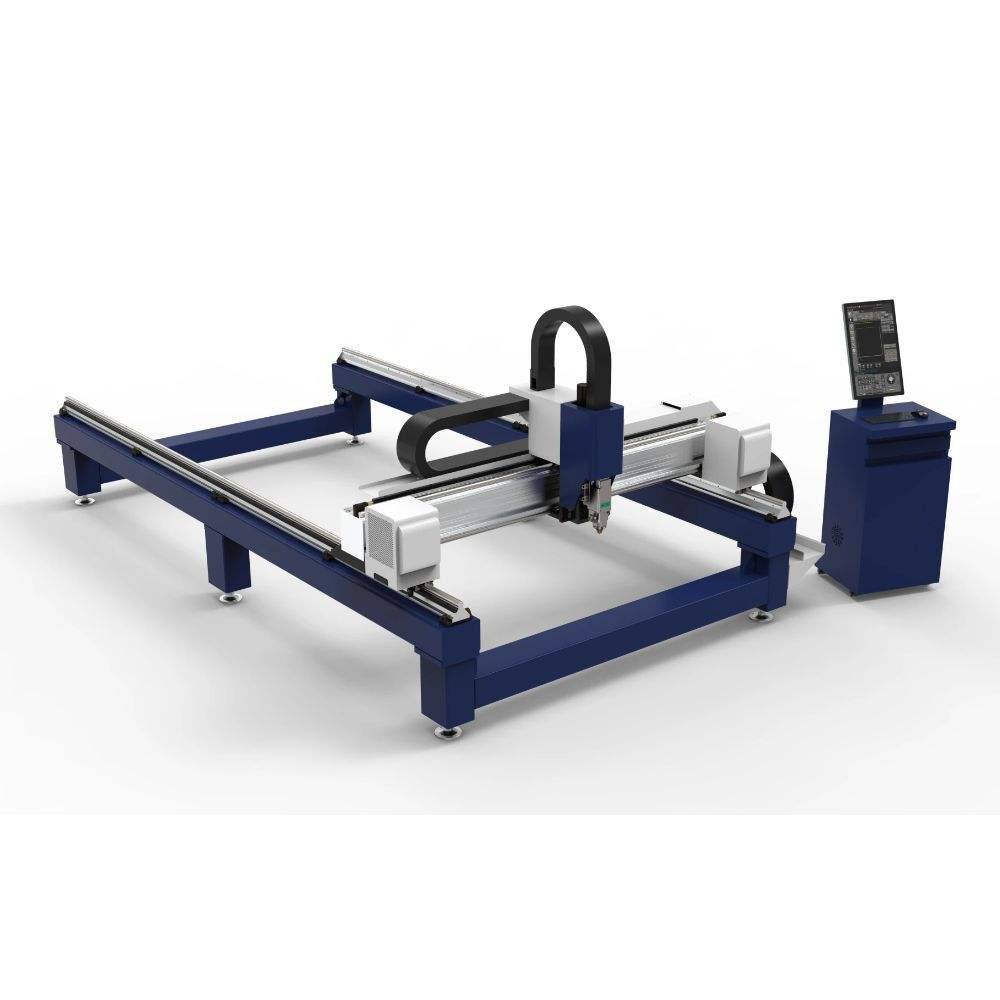
Performance Metrics: Speed and Thickness
For a 3kW fiber laser cutting machine, performance is measured by the intersection of material thickness and linear cutting speed. In the competitive Tijuana market, throughput is the primary driver of ROI.
Typical Cutting Speeds for Carbon Steel
While specific speeds vary by machine brand and nozzle configuration, a 3kW system generally achieves the following on carbon steel:
- 1mm Carbon Steel: 25–35 meters per minute (N2/Air).
- 3mm Carbon Steel: 8–12 meters per minute (N2/Air).
- 6mm Carbon Steel: 2.5–3.5 meters per minute (O2).
- 12mm Carbon Steel: 1.2–1.8 meters per minute (O2).
These speeds allow Tijuana-based shops to handle high-volume orders for the US automotive industry, where just-in-time (JIT) delivery is the standard. The ability to switch between thin-gauge precision and thick-plate structural cutting makes the 3kW fiber laser a versatile workhorse.
Why 3kW is the Strategic Choice for Baja California
In the regional context of Tijuana, choosing a 3kW power level is often more strategic than opting for ultra-high-power systems (12kW+). The 3kW machine offers a lower entry price point, lower electrical consumption, and reduced maintenance costs while still covering 90% of the common fabrication requirements in the region.
Energy Efficiency and Operational Costs
Electricity costs in Mexico can be a significant factor in manufacturing overhead. Fiber lasers are roughly 3 to 5 times more energy-efficient than CO2 lasers. A 3kW fiber laser cutting system has a wall-plug efficiency of approximately 30-40%, whereas CO2 systems struggle to reach 10%. This translates to lower monthly utility bills and a smaller carbon footprint, which is increasingly important for companies adhering to ESG (Environmental, Social, and Governance) standards required by international partners.
Integration with Automation
Many 3kW systems in Tijuana are integrated with shuttle tables or automated loading/unloading systems. Given the proximity to the US border, labor costs—while competitive—are rising. Automation allows a single operator to manage multiple laser cutting cells, maximizing the output per square foot of the factory floor.
Environmental and Maintenance Considerations in Tijuana
The geographical location of Tijuana presents specific challenges for sensitive machinery like fiber lasers. The city’s proximity to the Pacific Ocean means that salt air and humidity can be factors, while the dust levels in industrial zones like Valle de las Palmas require robust filtration.
Chiller and Climate Control
A 3kW fiber laser generates significant heat within the laser source and the cutting head. A high-quality dual-circuit water chiller is essential. In Tijuana’s Mediterranean climate, which can see temperature swings, the chiller must maintain the laser source at a constant temperature to prevent condensation and ensure beam stability. Many shops choose to house the laser source in a climate-controlled enclosure to protect the sensitive electronics from dust and humidity.
Optical Maintenance
One of the primary advantages of fiber laser cutting is the reduced maintenance of the beam path. However, the protective window (cover glass) in the cutting head must be inspected daily. In the dusty environments common in some parts of Baja, ensuring a clean, pressurized cutting head is vital to prevent contamination of the internal optics, which could lead to expensive repairs.
The Future of Laser Cutting in the Tijuana Maquiladora Sector
As we look toward the future, the integration of Industry 4.0 and AI-driven nesting software is making 3kW fiber laser cutting even more efficient. For Tijuana’s fabricators, the goal is “zero-waste” manufacturing. Modern software can optimize the layout of parts on a carbon steel sheet to maximize material utilization, which is critical as global steel prices fluctuate.
Furthermore, the rise of electric vehicle (EV) manufacturing in North America is creating new opportunities. Carbon steel components for battery enclosures, chassis reinforcements, and charging infrastructure are all ideally suited for 3kW fiber laser processing. Tijuana, with its established supply chains and skilled workforce, is perfectly positioned to capture this growth.
Conclusion
The 3kW fiber laser cutting machine is more than just a tool; it is a catalyst for industrial growth in Tijuana. By providing the precision required for high-tech sectors and the durability needed for heavy industry, it allows local fabricators to compete on a global stage. Whether cutting 1mm shim stock or 16mm structural plates, the 3kW fiber laser delivers the speed, quality, and reliability that carbon steel processing demands in today’s fast-paced manufacturing environment. For businesses in Baja California looking to modernize their operations, the 3kW fiber laser remains the most balanced and effective investment for the foreseeable future.













