Maximizing Efficiency: The 2kW Tube laser cutter in Monterrey’s Industrial Sector
The industrial landscape of Monterrey, Nuevo León, has long been the powerhouse of Mexico’s manufacturing sector. As the region pivots toward advanced automation and “Industry 4.0,” the integration of fiber laser technology has become a cornerstone for competitive fabrication. Specifically, the 2kW tube laser cutter has emerged as the versatile workhorse for workshops and large-scale factories alike. This guide explores the technical nuances of operating a 2kW system, with a dedicated focus on processing galvanized steel—a material ubiquitous in Monterrey’s construction, automotive, and HVAC industries.
laser cutting technology has evolved rapidly, transitioning from CO2-based systems to high-efficiency fiber resonators. A 2kW power rating offers the ideal balance between capital investment and operational capability. In a city like Monterrey, where “nearshoring” is driving a surge in demand for high-precision components, understanding the intersection of machine physics and material science is essential for any engineering firm looking to optimize its production line.
Technical Specifications of the 2kW Fiber Laser System
A 2kW fiber laser is specifically engineered to handle thin to medium-thickness wall tubes with extreme precision. While higher wattage machines exist, the 2kW variant is often preferred for its lower power consumption and smaller heat-affected zone (HAZ) on materials under 6mm in thickness. The “fiber” aspect refers to the gain medium—an optical fiber doped with rare-earth elements—which allows for a beam quality that is significantly more concentrated than traditional gas lasers.
Beam Quality and Kerf Width
In the context of laser cutting, beam quality (often measured by the M2 factor) dictates how tightly the laser can be focused. For a 2kW system, the focus spot is incredibly small, typically in the range of 0.1mm to 0.3mm. This results in a narrow kerf width, allowing for intricate geometries and tight nesting of parts. For Monterrey’s aerospace and automotive suppliers, this precision translates to minimal material waste and the ability to produce complex interlocking tube joints that require no secondary machining.
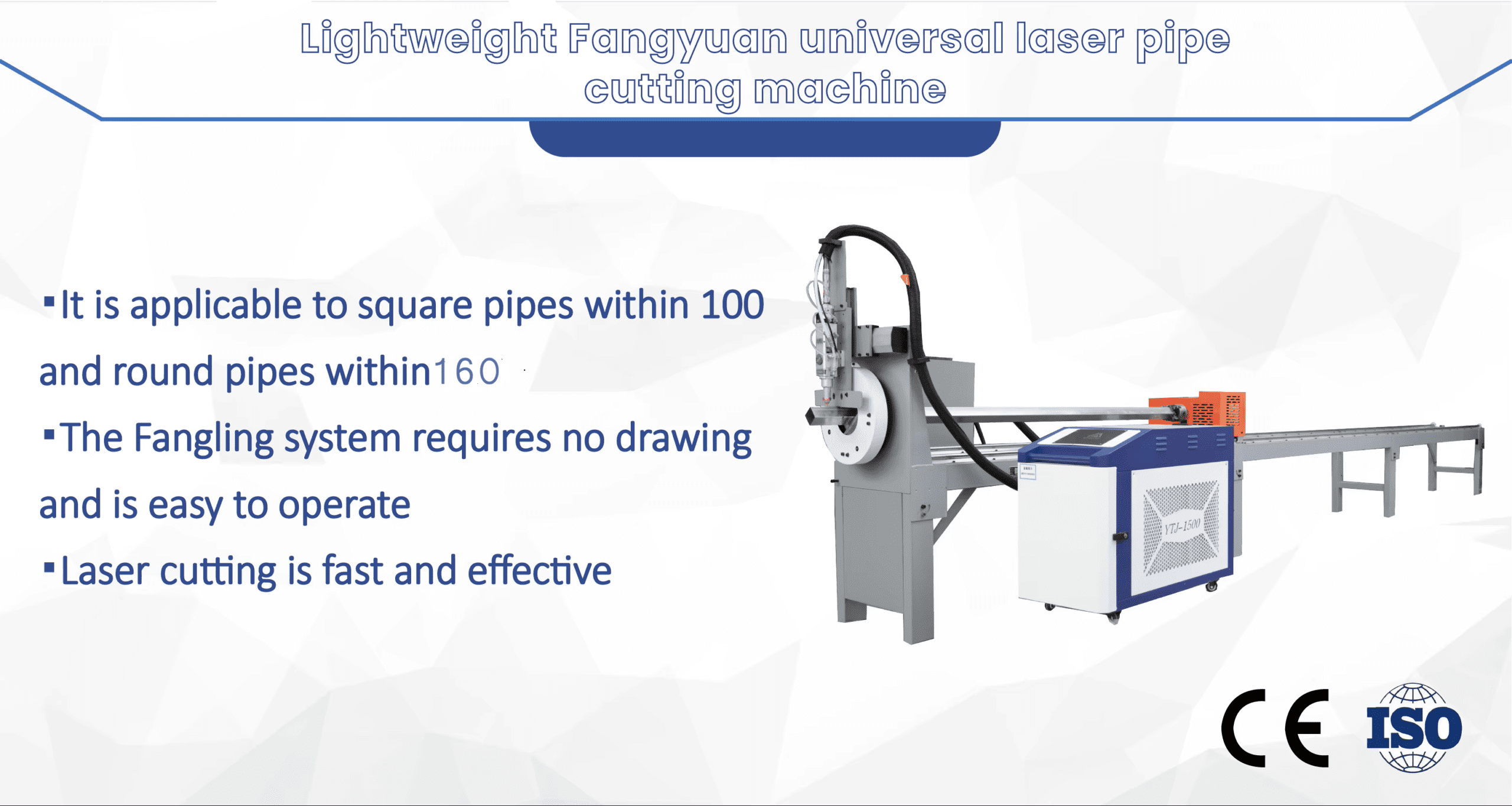 laser cutting machine MAK160″ style=”width: 100%; max-width: 800px; height: auto; margin: 20px 0;”>
Mechanical Dynamics of Tube Processing
Unlike flat-bed lasers, a tube laser cutter must manage the rotation of the workpiece in sync with the movement of the cutting head. A 2kW system in a professional setting usually features high-speed chucks capable of handling round, square, rectangular, and even D-shaped profiles. The acceleration of these components is critical; in Monterrey’s high-volume production environments, the ability of the machine to maintain accuracy at high traverse speeds is what determines the final cost-per-part.
Processing Galvanized Steel: The Engineering Challenge
Galvanized steel is a preferred material in Northern Mexico due to its corrosion resistance, especially in structural applications and outdoor infrastructure. However, laser cutting galvanized steel presents unique challenges compared to standard carbon steel. The primary issue lies in the zinc coating, which has a significantly lower melting and boiling point than the underlying steel base.
The Zinc Vaporization Dilemma
Zinc boils at approximately 907°C, while steel melts at around 1,500°C. During the laser cutting process, the zinc layer vaporizes before the steel even begins to melt. This vapor can interfere with the laser beam, cause “spatter” that damages the protective lens, or create turbulence in the assist gas flow. To counter this, a 2kW system must be finely tuned. Engineers in Monterrey often utilize high-pressure assist gases to “blow away” the zinc vapor before it can contaminate the cut zone.
Fume Extraction and Environmental Safety
When laser cutting galvanized material, the vaporization of zinc produces zinc oxide fumes—a white smoke that can cause “metal fume fever” if inhaled. In Monterrey, industrial regulations regarding air quality are strictly enforced. A 2kW tube laser must be paired with a high-capacity dust collection and filtration system. Professional-grade machines feature integrated extraction units that pull fumes directly from the chuck and the cutting head, ensuring that the workspace remains compliant with Mexican NOM (Normas Oficiales Mexicanas) safety standards.
Optimizing Assist Gas for Galvanized Profiles
The choice of assist gas is perhaps the most critical variable when using a 2kW laser on galvanized tubes. The two primary options are Oxygen (O2) and Nitrogen (N2), each offering distinct advantages depending on the desired finish and production speed.
Nitrogen: The Clean Cut
For many fabricators in Monterrey, Nitrogen is the preferred choice for galvanized steel. Nitrogen acts as a cooling agent and prevents oxidation of the cut edge. Because it relies purely on the laser’s thermal energy to melt the metal (fusion cutting), the resulting edge is clean, shiny, and ready for welding or painting without further treatment. This is particularly important for Monterrey’s furniture and architectural industries, where aesthetics are paramount.
Oxygen: Speed vs. Quality
Oxygen assist gas triggers an exothermic reaction, adding extra heat to the process and allowing for faster cutting speeds on thicker sections of steel. However, when applied to galvanized material, Oxygen can cause excessive burning of the zinc layer, leading to a wider kerf and a charred edge. While faster, the secondary cleanup required often negates the time saved during the laser cutting phase.

The Monterrey Advantage: Local Integration and Logistics
Operating a 2kW tube laser cutter in Monterrey provides several strategic advantages. The city’s proximity to the United States border makes it a hub for specialized technical support and spare parts. Furthermore, the local availability of high-quality galvanized coils and tubes from providers like Ternium ensures a stable supply chain.
Adapting to Regional Climate
Monterrey is known for its extreme temperature fluctuations, with summer temperatures often exceeding 40°C. For a 2kW fiber laser, thermal management is vital. The laser source and the cutting head must be connected to a high-efficiency industrial chiller. Engineers must ensure that the chiller is rated for the local ambient temperature to prevent “thermal drift,” which can affect the focal point of the laser and lead to inconsistent cut quality during long production shifts.
Best Practices for Machine Longevity
To maintain a 2kW tube laser cutter in peak condition, a rigorous maintenance schedule is required. The high-speed nature of laser cutting means that even minor misalignments can lead to significant scrap rates.
Optical Maintenance
The protective windows and lenses are the most vulnerable components when processing galvanized steel. Even with high-pressure gas, microscopic zinc particles can find their way onto the optics. Daily inspections and cleaning using reagent-grade isopropyl alcohol are mandatory. In Monterrey’s dusty industrial zones, maintaining a pressurized, clean-air environment for the laser source cabinet is also a best practice to prevent internal contamination.
Chuck and Rail Lubrication
The mechanical components that handle the tubes—the front and rear chucks and the linear guides—are subject to intense vibrations and metal dust. Using automated lubrication systems ensures that the CNC movements remain fluid. For square and rectangular galvanized tubes, ensuring the chuck pressure is correctly calibrated is essential to prevent deforming the tube walls while maintaining enough grip for high-speed rotation.
Economic Impact and ROI
Investing in a 2kW tube laser cutter represents a significant capital expenditure, but the Return on Investment (ROI) in the Monterrey market is often realized within 18 to 24 months. The ability to replace traditional sawing, drilling, and milling with a single laser cutting process reduces labor costs and eliminates the need for expensive jigs and fixtures. Furthermore, the precision of the laser allows for “tab and slot” designs, which drastically reduce the time required for downstream assembly and welding.
Competitive Edge in the Export Market
As Monterrey continues to attract international investment, the ability to produce components that meet global quality standards (such as ISO or ASTM) is a prerequisite. A 2kW fiber laser provides the repeatability and accuracy necessary to compete on a global scale. Whether it is for structural frames for solar panels or intricate components for the heavy machinery sector, laser cutting technology is the tool that enables local shops to transform into international suppliers.
Conclusion
The 2kW tube laser cutter is a transformative technology for the Monterrey industrial sector. By mastering the complexities of laser cutting galvanized steel—from managing zinc vaporization to selecting the optimal assist gas—fabricators can achieve unprecedented levels of efficiency and quality. As the region’s manufacturing capabilities continue to mature, the integration of such high-precision CNC equipment will remain the defining factor between standard workshops and world-class production facilities. For the engineers and business owners of Monterrey, the message is clear: the future of fabrication is light-based, and the 2kW fiber laser is the key to unlocking that potential.













