Introduction to 2kW Tube Fiber laser cutting Technology
In the heart of Mexico’s industrial corridor, Toluca has emerged as a powerhouse for automotive and heavy machinery manufacturing. Central to this growth is the adoption of advanced fabrication technologies, specifically the 2kW tube laser cutter. This specific power rating—2,000 watts—represents a critical equilibrium point for precision, speed, and operational cost when processing carbon steel. For engineering firms in the State of Mexico, transitioning from traditional mechanical sawing and drilling to automated laser cutting is no longer an option but a necessity for maintaining competitive margins.
The 2kW fiber laser source utilizes a solid-state gain medium, which offers significantly higher electrical-to-optical efficiency compared to legacy CO2 systems. When applied to tube geometries—including round, square, rectangular, and special profiles—the 2kW system provides a concentrated energy density capable of vaporizing carbon steel with microscopic precision. This guide explores the technical nuances of deploying these systems within the specific environmental and industrial context of Toluca.
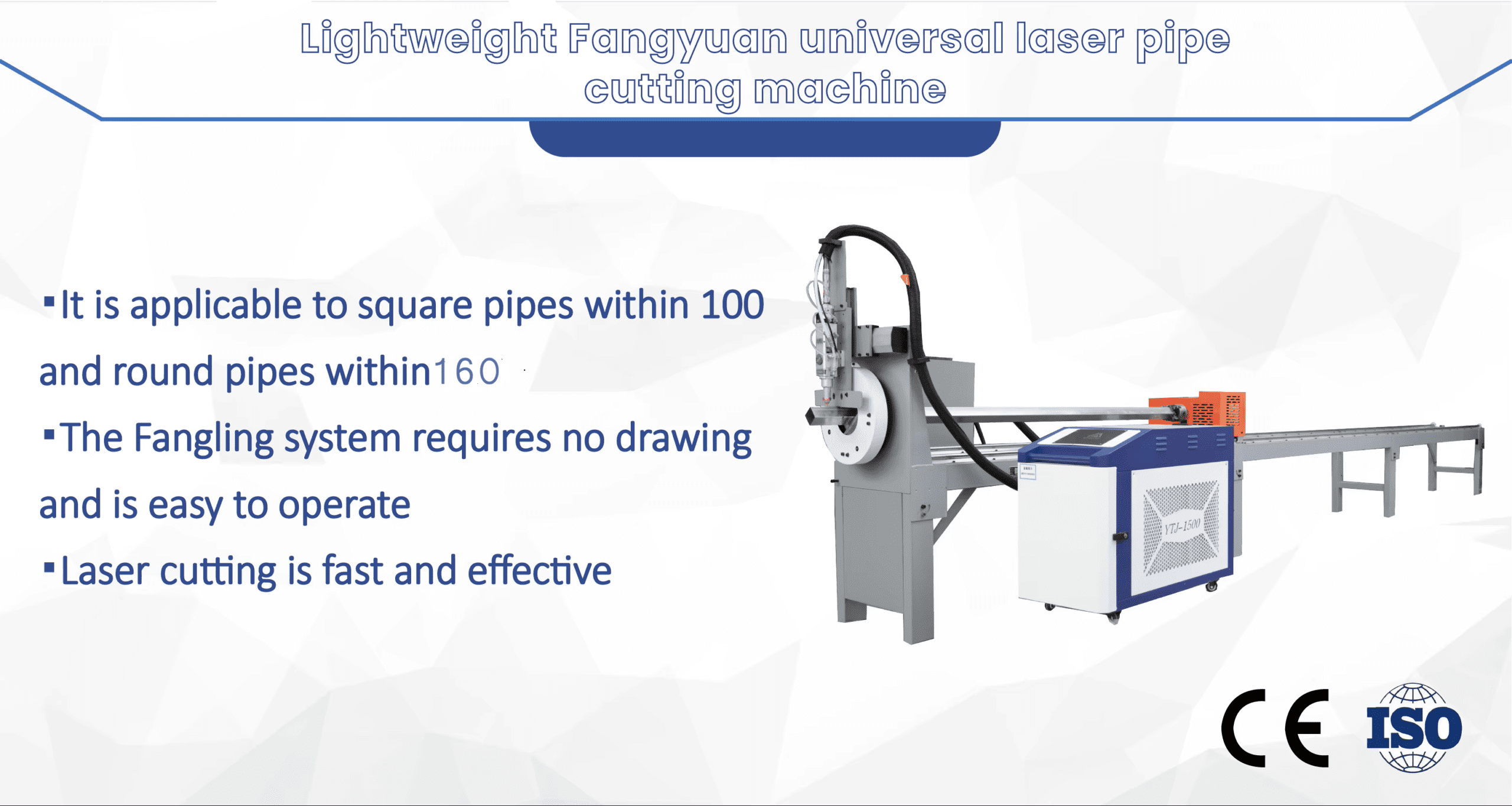 laser cutting machine MAK160″ style=”max-width: 100%; height: auto; margin: 20px 0;”>
Technical Specifications: The 2kW Power Profile
Cutting Capacities for Carbon Steel
A 2kW fiber laser is optimized for the thicknesses most commonly found in Toluca’s structural and automotive sectors. In carbon steel (CS), a 2kW source typically achieves high-quality cuts on wall thicknesses ranging from 1mm to 8mm, with a maximum severance capacity often reaching 10mm or 12mm depending on the oxygen purity and machine calibration. For the majority of hollow structural sections (HSS), the 2kW laser offers a “sweet spot” where the cutting speed is maximized without compromising the heat-affected zone (HAZ).
Beam Quality and Kerf Management
The Beam Parameter Product (BPP) of a 2kW fiber laser is exceptionally low, allowing for a tight focal spot. In laser cutting carbon steel tubes, maintaining a consistent kerf width is vital for parts that require subsequent assembly or robotic welding. The 2kW system allows for a kerf as narrow as 0.1mm to 0.2mm. This precision is essential when creating interlocking joints, such as “tab and slot” designs, which eliminate the need for expensive manual jigging during the welding phase.
The Impact of Toluca’s Geography on Laser Operations
Altitude and Atmospheric Pressure
Toluca sits at an elevation of approximately 2,660 meters above sea level. For engineers, this altitude presents unique challenges for laser cutting systems. Lower atmospheric pressure affects the density of assist gases and the efficiency of cooling systems. A 2kW system in Toluca requires a robust chiller unit with a slightly higher cooling capacity than one operating at sea level to compensate for the reduced heat exchange efficiency of the thinner air.
Humidity and Optical Protection
While Toluca is generally temperate, seasonal humidity fluctuations can lead to condensation on optical components if the facility is not climate-controlled. Fiber lasers are sensitive to dust and moisture; therefore, the 2kW systems deployed here must feature pressurized, sealed optical paths. Utilizing high-purity nitrogen for the beam path bellows ensures that the laser cutting process remains stable regardless of the external environmental conditions.

Material Focus: Processing Carbon Steel Profiles
Metallurgical Considerations
Carbon steel is the primary material for Toluca’s industrial base, from Tier 1 automotive suppliers to agricultural equipment manufacturers. When laser cutting carbon steel, the carbon content plays a significant role in the quality of the edge. Standard A36 or 1018 steels react excellently to the 1.06-micron wavelength of the fiber laser. The 2kW power level provides enough thermal energy to maintain a stable melt pool, while the assist gas (typically Oxygen) initiates an exothermic reaction that accelerates the cutting speed through thicker walls.
Surface Condition and Scale
In many Toluca warehouses, carbon steel tubes are stored in conditions that may lead to surface oxidation or “mill scale.” While a 2kW fiber laser can cut through mill scale, the consistency of the cut improves significantly on pickled and oiled (P&O) surfaces. If using hot-rolled steel, the laser cutting parameters must be adjusted with a slightly slower feed rate and a lower focal position to ensure the beam penetrates the oxide layer without causing “self-burning” or excessive dross on the interior of the tube.
Optimization of Assist Gases
Oxygen (O2) for Precision and Speed
For carbon steel, oxygen is the standard assist gas for a 2kW laser. It acts as a chemical catalyst, creating an exothermic reaction that allows the laser to cut through 6mm or 8mm walls with relatively low power consumption. However, the use of oxygen results in a thin oxide layer on the cut edge. For Toluca-based manufacturers who perform high-spec powder coating or painting, this oxide layer must be removed, or the process should switch to nitrogen.
Nitrogen (N2) and Compressed Air
While oxygen is the traditional choice, 2kW systems are increasingly using high-pressure nitrogen or filtered compressed air for thinner carbon steel tubes (under 3mm). Nitrogen laser cutting is a purely mechanical process—the laser melts the metal, and the gas blows it away. This results in a clean, oxide-free edge that is immediately ready for paint or weld. In the competitive Toluca market, reducing post-processing steps like grinding can significantly lower the total cost per part.
Mechanical Engineering of the Tube Cutter
The Chuck System and Rotation Control
A 2kW tube laser is only as good as its motion control. For carbon steel tubes, which can be heavy and prone to slight deformations, the chuck system must be robust. Pneumatic chucks with self-centering capabilities are standard in Toluca’s high-volume shops. These systems ensure that as the tube rotates at high speeds, the center of the material remains aligned with the laser focal point. This is critical when cutting non-round profiles like rectangular tubing or C-channels, where the distance from the nozzle to the material surface changes constantly.
Nesting and Material Utilization
Advanced CAD/CAM software is integral to the laser cutting workflow. For carbon steel tubes, which are often purchased in 6-meter or 12-meter lengths, nesting software optimizes the layout of parts to minimize “remnants” or scrap. In Toluca, where material costs fluctuate with international steel prices, a 2kW system paired with intelligent nesting can improve material utilization by up to 15% compared to manual cutting methods.
Maintenance Protocols for the Toluca Industrial Environment
Chiller and Filtration Maintenance
Because Toluca’s industrial zones can be dusty, the air filtration system of the 2kW laser must be serviced weekly. The chiller, which regulates the temperature of the laser source and the cutting head, must use deionized water and specialized additives to prevent algae growth and corrosion. Given the altitude, engineers should monitor the compressor’s performance to ensure the assist gas pressure remains constant at the nozzle.
Optical Inspection
The protective window (cover glass) is the most frequently replaced consumable in a 2kW laser cutting head. When processing carbon steel with oxygen, “spatter” is common. Operators in Toluca should be trained to inspect the optics every shift. A dirty lens can cause beam divergence, leading to a wider kerf, increased dross, and potential damage to the expensive internal focusing lenses.
Economic Impact for Toluca’s Manufacturing Sector
The integration of 2kW tube laser cutting technology into the Toluca valley has transformed local supply chains. Small to medium enterprises (SMEs) can now produce complex geometries that were previously only possible for large-scale OEMs. The ability to cut holes, slots, and complex end-profiles in a single pass reduces the need for multiple machines, lowering the footprint of the factory floor and reducing labor costs.
Furthermore, the energy efficiency of the 2kW fiber laser is a major advantage. Compared to a CO2 laser of similar capacity, the fiber laser consumes approximately 70% less electricity. In an era where industrial energy prices in Mexico are a significant overhead concern, the 2kW fiber laser offers a sustainable path toward high-output manufacturing.
Conclusion
The 2kW tube laser cutter is a definitive tool for the modern carbon steel fabricator in Toluca. By understanding the interplay between the 2,000-watt power source, the metallurgical properties of carbon steel, and the specific environmental variables of the State of Mexico, facilities can achieve unprecedented levels of precision. Whether it is for automotive chassis components, structural frames, or industrial furniture, laser cutting provides the speed and accuracy required to lead in today’s global manufacturing landscape. Investing in this technology, supported by rigorous maintenance and optimized gas selection, ensures that Toluca remains at the forefront of engineering excellence.













