Introduction to 2kW Tube laser cutting in Puebla’s Industrial Landscape
The industrial sector in Puebla, Mexico, has long been a cornerstone of the nation’s manufacturing prowess. From the massive automotive assembly plants to the intricate metalworking shops in the city’s periphery, the demand for precision, speed, and material versatility is at an all-time high. Among the various technologies driving this evolution, the 2kW tube laser cutter stands out as a transformative tool, particularly for those working with non-ferrous metals like brass. This guide explores the technical intricacies, operational advantages, and localized benefits of deploying 2kW fiber laser technology for brass tube fabrication in the Puebla region.
Laser cutting has transitioned from a high-end luxury to a fundamental necessity for competitive manufacturing. The 2kW power rating is often considered the “sweet spot” for small to medium-sized enterprises (SMEs) in Puebla. It offers enough power to handle significant wall thicknesses in brass and copper—materials notoriously difficult to process with traditional CO2 lasers—while maintaining an energy-efficient profile that keeps operational costs manageable.
 laser cutting machine“>
The Physics of 2kW Fiber Lasers and Brass Interaction
Brass is an alloy of copper and zinc, characterized by high thermal conductivity and high reflectivity. In the early days of laser technology, cutting brass was a precarious task. CO2 lasers, with their longer wavelengths, faced significant “back-reflection” issues, where the beam would bounce off the shiny surface of the brass and travel back into the optics, causing catastrophic damage to the machine. The advent of fiber laser technology changed this dynamic.
A 2kW fiber laser operates at a wavelength of approximately 1.06 microns. This wavelength is absorbed much more efficiently by “yellow metals” like brass than the 10.6-micron wavelength of CO2 lasers. When the 2kW beam hits the brass tube, the energy is rapidly absorbed, creating a localized melt pool. Because the power is concentrated, the laser cutting process happens so quickly that the heat-affected zone (HAZ) is minimized, preserving the structural integrity and aesthetic finish of the brass.
Key Technical Specifications for Brass Processing
When selecting a 2kW tube laser cutter for brass applications in Puebla, engineering specifications must be scrutinized. Not all 2kW machines are created equal. For brass, the machine must be equipped with specific features to handle the material’s unique properties.
Back-Reflection Protection
Even with the superior absorption of fiber lasers, brass still poses a reflection risk, especially during the initial piercing stage. A high-quality 2kW machine must include an optical isolator or a back-reflection protection system. This system detects any reflected light returning to the fiber cable and shuts down the source or redirects the energy before it can damage the laser resonator. This is critical for shops in Puebla looking to maintain high uptime in a 24/7 production environment.
Gas Selection: Nitrogen vs. Oxygen
In the laser cutting of brass, the choice of assist gas is paramount. Nitrogen is the standard choice for high-quality finishes. It acts as a mechanical force to blow the molten brass out of the kerf without allowing it to oxidize. This results in a clean, bright edge that often requires no post-processing—a major advantage for Puebla’s decorative hardware and lighting industries. While Oxygen can be used to increase cutting speed in some metals, it can lead to heavy dross and oxidation on brass, which is generally undesirable.
Chuck Systems and Tube Handling
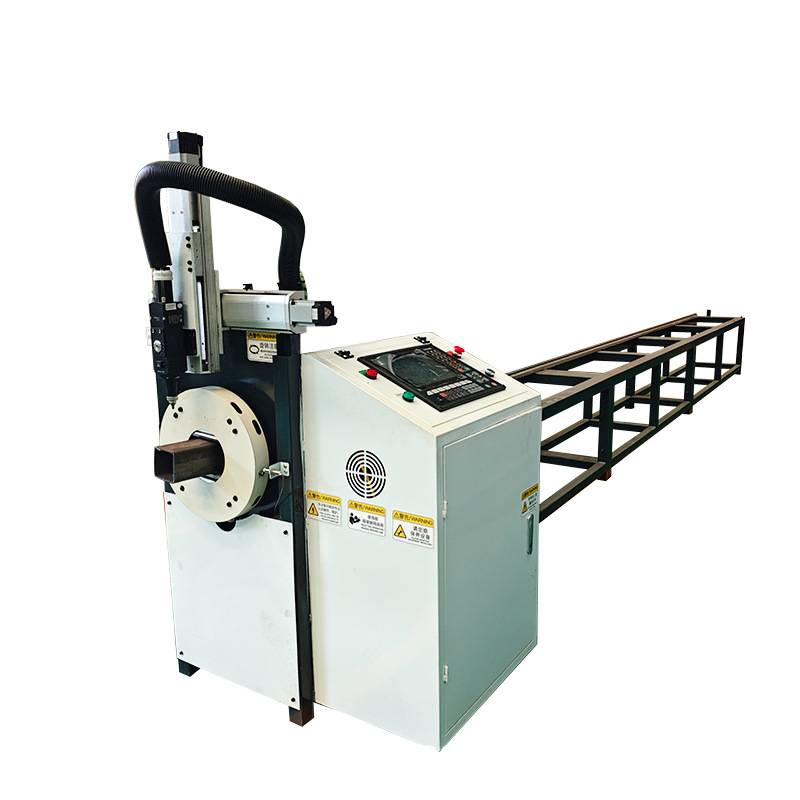
Puebla’s automotive suppliers often deal with various tube profiles: round, square, rectangular, and even custom oval shapes. A 2kW tube laser cutter should feature a robust pneumatic or hydraulic chuck system. Automatic centering is essential to ensure that the laser focus remains consistent as the tube rotates. For brass, which can be softer than stainless steel, the chuck pressure must be adjustable to prevent deforming the tube walls while maintaining a secure grip during high-speed rotations.
Applications of Brass Laser Cutting in Puebla
Puebla’s economy is diversified, and the 2kW tube laser cutter serves multiple niches within the region. The ability to perform complex geometries on brass tubes opens doors to several high-value markets.
Automotive and Transportation
With the presence of major OEMs like Volkswagen and Audi, the local supply chain is constantly seeking ways to optimize components. Brass tubes are often used in fluid handling systems, bushings, and electrical connectors. The precision of laser cutting allows for the creation of intricate notches, holes, and interlocking tabs that facilitate easier assembly and welding, reducing overall production time for Tier 1 and Tier 2 suppliers.
Architectural and Decorative Hardware
Puebla has a rich tradition of craftsmanship. Modern architectural firms in the city are increasingly incorporating brass into interior designs, furniture, and lighting fixtures. A 2kW laser can cut intricate patterns into brass tubes that would be impossible with mechanical saws or drills. The “burr-free” finish provided by fiber laser cutting is particularly valued here, as it preserves the premium look of the brass.
Plumbing and HVAC Components
The manufacturing of valves, manifolds, and specialized plumbing connectors often involves brass. A 2kW tube laser can replace multiple traditional machining steps—such as sawing, drilling, and milling—into a single automated process. This consolidation of operations is a key driver for ROI for factories located in Puebla’s industrial parks like Chachapa or Lomas de Herrera.
Optimizing the Cutting Process for Maximum Efficiency
To get the most out of a 2kW tube laser cutter when working with brass, operators must fine-tune their parameters. Laser cutting is a balance of power, speed, gas pressure, and focal position.
Piercing Strategies
The pierce is the most vulnerable moment when cutting brass. Using a “staged pierce” where the power is ramped up gradually can prevent the initial reflection from damaging the optics. For 2kW systems, a frequency-modulated pierce is often used to create a clean hole before the high-speed cutting begins.
Focal Point Management
For brass, the focal point is usually set slightly below the surface of the material or right at the surface, depending on the wall thickness. Because brass dissipates heat quickly, maintaining a precise focus is vital to ensure the melt remains fluid enough to be ejected by the assist gas. Automatic focusing heads are highly recommended for Puebla shops to account for slight variations in tube straightness.
Maintenance and Longevity in the Puebla Environment
Puebla’s climate and industrial environment necessitate a disciplined maintenance schedule. The high altitude and occasional volcanic ash from Popocatépetl mean that air filtration and cooling systems must be monitored closely.
Chiller Maintenance
A 2kW fiber laser generates significant heat within the source and the cutting head. The water chiller must be kept in peak condition. In Puebla, using deionized water and ensuring the ambient temperature of the shop doesn’t lead to condensation inside the laser source is critical. Clogged filters can lead to overheating, which shortens the lifespan of the laser diodes.
Lens and Nozzle Care
When cutting brass, the nozzle is subjected to high thermal stress. Regularly checking the nozzle for “spatter” and ensuring the protective window (lens) is clean is the difference between a perfect cut and a scrapped part. Operators should be trained to use high-purity cleaning agents to avoid leaving residues that could catch the laser beam and burn the optic.
Economic Impact and ROI for Puebla Manufacturers
Investing in a 2kW tube laser cutter is a significant capital expenditure, but the ROI in a market like Puebla is often realized within 18 to 24 months. The primary drivers are labor savings and material utilization.
Traditional tube processing involves several machines and multiple operators. A laser cutter collapses these into one. Furthermore, the nesting software used in modern CNC laser systems optimizes the layout of parts on a single tube, significantly reducing the “drop” or waste material. Given the high cost of brass per kilogram, even a 5% improvement in material utilization can result in thousands of dollars in annual savings.
Additionally, the ability to offer “laser-cut precision” allows Puebla-based shops to bid on international contracts, particularly from the United States, where high-tolerance brass components are in high demand for the electronics and aerospace sectors.
Conclusion: The Future of Metal Fabrication in Puebla
The integration of 2kW tube laser cutting technology represents a major leap forward for the manufacturing community in Puebla. By mastering the nuances of brass fabrication—from managing reflectivity to optimizing assist gas pressures—local manufacturers can elevate their output to global standards. As the automotive and architectural sectors continue to evolve, the versatility and precision of the fiber laser will remain an indispensable asset, ensuring that Puebla remains at the forefront of Mexico’s industrial innovation.
Whether you are a small workshop in the city center or a large-scale manufacturer in an industrial park, the 2kW tube laser cutter offers a path to increased profitability, higher quality, and expanded creative possibilities in the world of brass fabrication.













