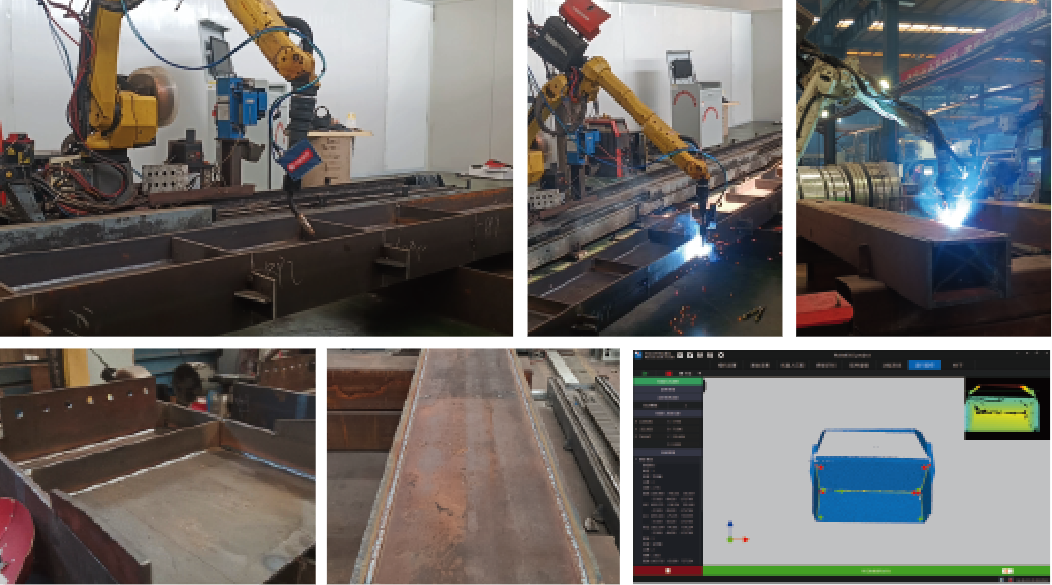
The Dawn of High-Power Fiber Lasers in Pune’s Infrastructure Sector
Pune has long been recognized as a powerhouse of automotive and heavy engineering. However, as India accelerates its national infrastructure pipeline—specifically through massive bridge and flyover projects—the demand for precision-engineered structural steel has skyrocketed. Enter the 12kW 3D Structural Steel Processing Center. At 12,000 watts, the fiber laser is no longer just a sheet metal tool; it is a heavy-duty industrial engine capable of piercing and profiling thick-walled sections that were previously the sole domain of oxy-fuel or plasma cutting.
The transition to 12kW is significant. In fiber laser physics, the power density allows for “high-speed fusion cutting,” where the nitrogen or oxygen assist gas clears the molten material at speeds that prevent the formation of a large Heat Affected Zone (HAZ). For bridge engineering, a small HAZ is vital. Large HAZs can lead to metallurgical changes that invite stress-corrosion cracking or fatigue failure over decades of service. By localized heating, the 12kW system ensures the structural integrity of the base metal remains uncompromised.
3D Kinematics: Beyond Flat Plate Cutting
Traditional laser cutting is a 2D affair, moving along X and Y axes. Bridge engineering, however, relies on 3D geometry. Beams, channels, and hollow structural sections (HSS) require holes, notches, and bevels across multiple planes. The “3D” aspect of this processing center refers to a 5-axis or 6-axis laser head capable of tilting and rotating around the workpiece.
In the fabrication of bridge trusses, components often meet at complex angles. A 3D fiber laser can cut a “weld-ready” bevel directly into a thick-walled H-beam. This means that instead of a square edge that requires manual grinding to create a V-groove for welding, the laser prepares the geometry in a single pass. In a high-throughput environment like a Pune-based fabrication yard, this eliminates hundreds of man-hours spent on secondary processes, significantly compressing the project timeline.
The Economics of Zero-Waste Nesting
One of the most significant overheads in bridge engineering is material wastage. Structural steel sections are expensive and heavy. Traditional nesting often leaves significant “drops” or offcuts that are too small to be used but too heavy to be ignored. Zero-Waste Nesting is a software-driven approach integrated into the 12kW center’s control system.
This technology uses advanced algorithms to “chain” parts together. By sharing a common cut line between two different components, the laser reduces the number of pierces and the total distance traveled. More importantly, the software can nest smaller gusset plates or connection brackets within the “web” or “flange” areas of larger beams that would otherwise be scrapped. In a 12kW environment, the precision is so high (within +/- 0.1mm) that parts can be nested with almost zero clearance between them. For a large-scale bridge project in Maharashtra, a 5% to 8% reduction in material waste can translate into millions of rupees in savings.
Bridge Engineering: The Precision Mandate
Bridges are dynamic structures subject to wind loads, thermal expansion, and constant vehicular vibration. The holes drilled for high-strength friction grip (HSFG) bolts must be perfect. Mechanical drilling often results in slight burrs or ovality, and plasma cutting can leave a hardened edge that is difficult to ream.
The 12kW fiber laser produces “drill-quality” holes at a fraction of the time. Because the laser is a non-contact process, there is no tool wear. Whether it is the first hole or the ten-thousandth, the diameter remains consistent. This consistency is crucial for the “Shop-to-Field” fitment. When steel members are fabricated in Pune and transported to a remote bridge site in the Western Ghats, they must bolt together perfectly. There is no room for on-site correction. The 3D laser processing center ensures that every notch and bolt hole matches the digital twin of the bridge precisely.
Pune: The Ideal Ecosystem for Advanced Fabrication
Pune’s strategic location offers a unique advantage for this technology. The city’s proximity to the Mumbai-Pune Expressway and the JNPT port makes it a logistical nexus for transporting massive structural components. Furthermore, the presence of premier technical institutes ensures a steady supply of engineers who can handle the CAD/CAM complexities of 3D nesting.
The local supply chain in Pune has also evolved. With the presence of high-end industrial gas suppliers (providing the high-purity Nitrogen required for 12kW cutting) and specialized maintenance providers, the uptime for a 12kW laser center is maximized. A facility in Chakan or Talegaon equipped with this technology becomes a Tier-1 supplier not just for local projects, but for international bridge contracts, meeting stringent European or American standards for structural fabrication.
Technical Superiority Over Traditional Methods
When comparing a 12kW fiber laser to traditional CNC plasma cutting—the previous industry standard—the differences are stark.
1. **Edge Quality:** Plasma cutting often leaves “dross” or slag on the bottom edge, requiring manual cleaning. The 12kW fiber laser, with its concentrated energy, leaves a clean, smooth surface that is often ready for galvanization or painting without further treatment.
2. **Speed:** On 20mm structural steel, a 12kW laser can cut three to four times faster than a standard plasma torch.
3. **Precision:** Laser kerf (the width of the cut) is significantly narrower than plasma. This allows for tighter radii in decorative bridge elements or complex structural joints.
4. **Automation:** The 3D processing center is usually integrated with automated loading and unloading systems for 12-meter beams, reducing the reliance on overhead cranes and manual labor, which are frequent bottlenecks in traditional yards.
Environmental Impact and Sustainability
In the modern engineering landscape, “Green Construction” is a requirement. The 12kW fiber laser is inherently more sustainable than its predecessors. Fiber lasers have a wall-plug efficiency of about 30-40%, compared to the 10% of CO2 lasers. Furthermore, by eliminating the need for cooling fluids used in mechanical drilling and reducing the fumes associated with oxy-fuel cutting, the processing center provides a cleaner working environment.
The “Zero-Waste” component directly contributes to a lower carbon footprint. Every ton of steel saved through smart nesting represents a significant reduction in the energy-intensive process of steel production and recycling. For Pune-based firms looking to secure ISO 14001 certifications or participate in “Green Bridge” initiatives, this technology is a vital asset.
The Future: AI and Real-Time Monitoring
The next evolution of the 12kW 3D Structural Steel Processing Center in Pune involves the integration of AI. Sensors within the 3D cutting head can now monitor the “back-reflection” of the laser beam in real-time. If the laser encounters a hard spot in the steel or a slight deviation in the beam’s flange, the AI adjusts the power and feed rate instantaneously to maintain cut quality.
For bridge engineering, this means an even higher level of Quality Assurance. Every cut can be logged, providing a “digital birth certificate” for every component of the bridge. If a structural issue is identified years later, engineers can look back at the precise cutting parameters used for that specific beam.
Conclusion
The deployment of a 12kW 3D Structural Steel Processing Center with Zero-Waste Nesting is more than just a capital investment; it is a strategic upgrade to Pune’s industrial capability. By marrying the raw power of a 12,000-watt fiber engine with the finesse of 3D motion and the intelligence of nesting software, fabricators can produce bridge components that are safer, cheaper, and more sustainable. As India continues to build its way into the future, the precision of the laser will be the silent force ensuring the stability and longevity of the nation’s bridges. For the bridge engineer, the message is clear: the era of “close enough” is over; the era of laser-perfect infrastructure has arrived.