Introduction to 1.5kW Tube laser cutting in Monterrey
In the heart of Mexico’s industrial powerhouse, Monterrey, the manufacturing sector is undergoing a significant transformation. As the capital of Nuevo León continues to attract global automotive, aerospace, and electronics firms, the demand for precision-engineered components has skyrocketed. Among the most critical technologies driving this evolution is the 1.5kW tube laser cutting machine. Specifically, when it comes to processing non-ferrous metals like brass, the 1.5kW fiber laser has become an indispensable tool for local workshops and large-scale factories alike.
Brass, known for its excellent conductivity, corrosion resistance, and aesthetic appeal, is a staple material in Monterrey’s electrical and decorative hardware industries. However, cutting brass tubes presents unique challenges due to the material’s high reflectivity and thermal conductivity. This guide explores the technical nuances of utilizing a 1.5kW tube laser cutter to achieve superior results in brass fabrication, tailored to the specific industrial environment of Monterrey.

Technical Specifications of the 1.5kW Fiber Laser
The Power of 1.5kW Fiber Sources
A 1.5kW fiber laser source is often considered the “sweet spot” for small to medium-scale tube processing. Unlike older CO2 technology, fiber lasers operate at a wavelength of approximately 1.06 microns. This shorter wavelength is absorbed much more efficiently by reflective metals like brass. In a 1.5kW configuration, the laser provides enough power density to penetrate brass wall thicknesses typically ranging from 0.5mm to 4mm, depending on the alloy and gas setup. For the Monterrey-based fabricator, this power level offers a balance between capital investment and high-speed production capabilities.
Rotary Axis and Chuck Precision
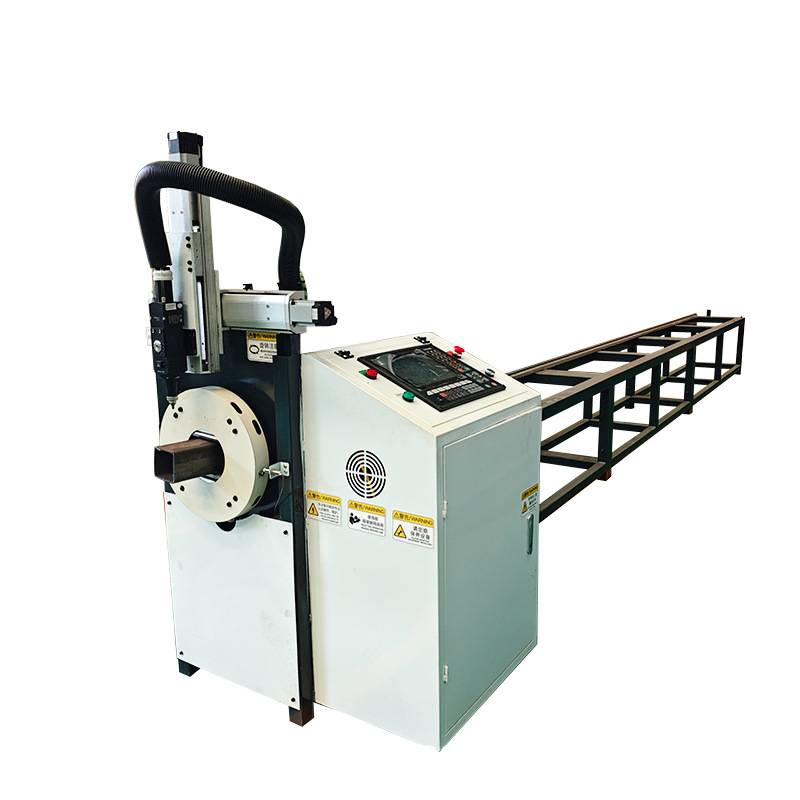
The efficiency of a tube laser cutting system relies heavily on its mechanical components. Most 1.5kW systems are equipped with dual pneumatic or electric chucks. These components must provide high centering accuracy to ensure that the laser remains focused on the tube’s centerline throughout the rotation. In Monterrey’s high-volume production environments, the ability of the machine to handle various profiles—round, square, rectangular, and even oval brass tubes—without manual reconfiguration is a significant competitive advantage.
Challenges and Solutions for Laser Cutting Brass
Managing High Reflectivity
Brass is a “yellow metal,” which means it reflects a significant portion of the laser beam’s energy back toward the source. If not managed correctly, this back-reflection can damage the delicate optics of the fiber laser. Modern 1.5kW tube laser cutters address this through advanced protective windows and back-reflection isolation systems. Engineers in Monterrey must ensure their machines are equipped with “anti-reflection” modules that automatically shut down the beam if a dangerous level of reflected light is detected, thereby protecting the 1.5kW resonator.
Optimizing Gas Selection
The choice of assist gas is critical when laser cutting brass. Nitrogen is the most common choice for brass, as it acts as a cooling agent and prevents oxidation, resulting in a clean, bright edge that often requires no secondary finishing. For thicker brass tubes, some Monterrey shops utilize high-pressure compressed air to reduce costs, though this may result in a slight burr or darker edge. Oxygen is rarely used for brass as it can cause excessive melting and a poor surface finish due to the material’s high thermal conductivity.
Operational Excellence in Monterrey’s Industrial Hub
Local Supply Chain and Material Sourcing
Monterrey benefits from a robust supply chain of raw materials. Local distributors provide high-quality brass alloys (such as C260 or C360) in various tube dimensions. When using a 1.5kW laser cutting machine, the consistency of the material is paramount. Variations in the zinc content of the brass can affect how the laser interacts with the metal. Monterrey’s proximity to major metal refineries ensures that fabricators have access to standardized materials, which simplifies the process of fine-tuning laser parameters for consistent production runs.
Integrating CAD/CAM for Tube Processing
To maximize the potential of a tube laser cutter, sophisticated software integration is required. In Monterrey’s engineering offices, CAD/CAM software like Lantek or TubesT is used to create complex nesting patterns. This reduces material waste—a crucial factor given the high cost of brass. The software allows for the design of intricate interlocking joints, decorative perforations, and precise miter cuts, all of which are executed with high repeatability by the 1.5kW laser. This digital workflow enables local manufacturers to move from prototype to full-scale production in a fraction of the time required by traditional sawing and drilling methods.
Maintenance and Longevity of the Laser System
Protecting Optics in Humid Environments
While Monterrey is known for its arid climate, seasonal humidity and industrial dust can impact the performance of laser optics. The cutting head of a 1.5kW tube laser must be kept in a climate-controlled or highly filtered environment. Regular inspection of the protective lens is mandatory. For Monterrey operators, implementing a daily cleaning schedule and using high-purity gases ensures that the beam quality remains sharp, preventing “dross” (re-solidified metal) from adhering to the bottom of the brass cuts.
Cooling and Chiller Management
The 1.5kW fiber source generates heat that must be dissipated to maintain stability. A dual-circuit water chiller is standard equipment, cooling both the laser source and the cutting head. Given the high ambient temperatures often reached in Monterrey during the summer months, ensuring the chiller is sized correctly and the coolant is free of contaminants is vital for preventing thermal drift, which can lead to inaccuracies in the laser cutting process.
Applications of Brass Tube Laser Cutting in Monterrey
Electrical and Electronic Components
Monterrey is a center for the production of electrical transformers, switchgear, and connectors. Brass tubes are frequently used in these applications for their conductivity. The 1.5kW laser allows for the precise cutting of busbars and tubular connectors with complex hole patterns that would be impossible to achieve with mechanical punching without deforming the tube.
Architectural and Furniture Design
The high-end furniture and architectural markets in Mexico frequently utilize brass for its premium aesthetic. Laser cutting allows designers to create intricate patterns in brass tubes used for lighting fixtures, handrails, and furniture frames. The precision of the 1.5kW laser ensures that joints fit perfectly, which is essential for high-quality brazing or welding in the final assembly stages.
Automotive Fluid Systems
The automotive cluster in Monterrey utilizes brass tubes for specialized fluid lines and sensor housings. The 1.5kW laser provides the speed and accuracy needed to meet the stringent tolerances of the automotive industry (IATF 16949 standards). By utilizing laser cutting, manufacturers can eliminate multiple steps in the production process, such as deburring and secondary drilling, significantly reducing the cost per part.
Economic Advantages and ROI
Investing in a 1.5kW tube laser cutter in Monterrey offers a compelling Return on Investment (ROI). While the initial cost is higher than traditional machining tools, the increase in throughput and the reduction in manual labor are substantial. In the context of brass—a high-value material—the precision of the laser reduces scrap rates, which directly impacts the bottom line. Furthermore, the versatility of the machine allows Monterrey job shops to diversify their service offerings, taking on projects that involve stainless steel and aluminum tubes in addition to brass.
Conclusion
The 1.5kW tube laser cutter represents a pivotal technology for the Monterrey manufacturing landscape. By mastering the complexities of laser cutting brass—from managing reflectivity to optimizing assist gases—local companies can achieve world-class precision and efficiency. As Monterrey continues to solidify its position as a global manufacturing hub, the adoption of advanced fiber laser technology will remain a cornerstone of industrial growth, providing the speed, accuracy, and flexibility required to compete on the international stage. Whether for electrical components, automotive parts, or architectural designs, the 1.5kW laser stands as a testament to the power of modern engineering in the heart of Mexico.













