Introduction to 1.5kW Fiber laser cutting in Tijuana’s Industrial Landscape
The manufacturing sector in Tijuana, Baja California, has undergone a significant transformation over the last decade. As a primary hub for the maquiladora industry, the city demands high-precision, high-efficiency solutions to meet the rigorous standards of international supply chains, particularly in the automotive, aerospace, and medical device sectors. Among the various technologies driving this evolution, the 1.5kW fiber laser cutting machine has emerged as a cornerstone for small to medium-sized enterprises (SMEs) and large-scale production facilities alike. This specific power rating offers an optimal balance between capital investment and operational capability, particularly when processing thin to medium-gauge materials.
Laser cutting technology, specifically fiber-based systems, utilizes an optical fiber doped with rare-earth elements to amplify light. The resulting beam is characterized by a short wavelength, typically around 1.064 micrometers, which allows for superior absorption rates in metallic surfaces. In the context of Tijuana’s diverse manufacturing base, the ability to process galvanized steel with precision is paramount. Galvanized steel, favored for its corrosion resistance and cost-effectiveness, presents unique challenges during thermal processing that require a deep understanding of laser dynamics and material science.
The Technical Superiority of 1.5kW Fiber Lasers
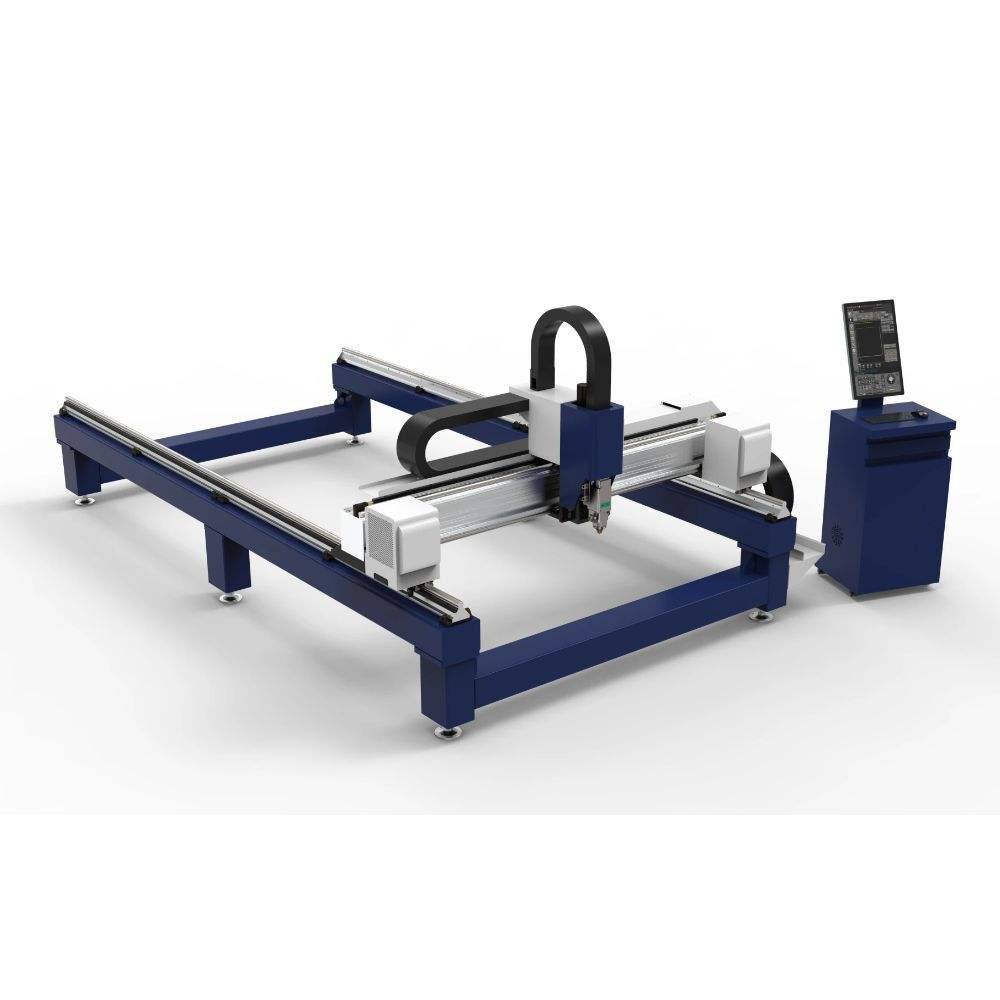
A 1.5kW fiber laser cutting machine is engineered for high-speed processing of sheet metal. While higher wattage machines exist, the 1.5kW variant is often the “sweet spot” for shops focusing on materials between 0.5mm and 6mm in thickness. The beam quality of a fiber laser is significantly higher than that of traditional CO2 lasers, resulting in a smaller focal spot and higher energy density. This allows the machine to slice through galvanized steel with a minimal heat-affected zone (HAZ), preserving the structural integrity of the part.
Energy Efficiency and Operational Costs
For businesses in Tijuana, where energy costs and operational overhead are critical factors in maintaining competitiveness against global markets, the fiber laser offers a distinct advantage. Fiber lasers boast a wall-plug efficiency of approximately 30% to 35%, compared to the 8% to 10% seen in CO2 systems. This translates to lower electricity bills and a reduced carbon footprint. Furthermore, the solid-state nature of fiber technology means there are no internal mirrors or bellows to maintain, significantly reducing downtime and maintenance costs over the machine’s lifecycle.

Processing Galvanized Steel: Challenges and Solutions
Galvanized steel is essentially carbon steel coated with a layer of zinc. While this coating provides excellent protection against oxidation, it introduces complexity to the laser cutting process. Zinc has a much lower melting point (approx. 419°C) and boiling point (approx. 907°C) than the underlying steel (approx. 1500°C). When the laser beam hits the surface, the zinc layer vaporizes rapidly, often before the steel has even reached its melting point.
Managing Zinc Vaporization
The rapid vaporization of zinc can create high-pressure gas pockets between the coating and the steel, leading to “spatter” or “dross” on the underside of the cut. To mitigate this, 1.5kW fiber laser cutting systems utilize high-pressure assist gases. Nitrogen is the preferred choice for galvanized steel because it acts as a shielding gas, preventing the oxidation of the cut edge and blowing away the molten zinc and steel before they can fuse back onto the workpiece. This results in a clean, silver-colored edge that requires little to no post-processing.
Nozzle Selection and Focal Position
Achieving a high-quality cut on galvanized material requires precise control over the nozzle and focal point. Engineers in Tijuana’s fabrication shops typically employ a “negative focus” strategy, where the focal point of the laser is set slightly below the surface of the material. This ensures that the energy is distributed evenly through the thickness of the sheet, helping to push the vaporized zinc through the kerf efficiently. Additionally, using a double-layer nozzle can help stabilize the gas flow, reducing turbulence and improving the consistency of the cut across large production runs.
Integration within the Tijuana Maquiladora Ecosystem
Tijuana’s proximity to the United States border makes it a strategic location for “nearshoring” manufacturing. Companies operating in industrial zones like Otay Mesa or El Florido rely on 1.5kW fiber laser cutting machines to produce components for the HVAC, appliance, and telecommunications industries. These sectors frequently use galvanized steel for enclosures, ductwork, and mounting brackets due to its durability in various environments.
Meeting International Quality Standards
The precision afforded by fiber laser cutting is essential for meeting ISO and AS9100 standards, which are common requirements for manufacturers in the region. The CNC (Computer Numerical Control) systems integrated into these machines allow for tolerances as tight as +/- 0.05mm. This level of accuracy ensures that parts produced in Tijuana can be seamlessly integrated into assembly lines in California or Texas without the need for manual adjustments or rework.
Safety and Environmental Considerations
When laser cutting galvanized steel, the vaporization of zinc produces zinc oxide fumes. These fumes are hazardous if inhaled and can lead to “metal fume fever.” Therefore, a robust filtration and extraction system is a non-negotiable component of any fiber laser setup in Tijuana. Modern 1.5kW machines are equipped with partitioned dust extraction systems that follow the laser head, capturing fumes at the source. This not only protects the health of the operators but also prevents the accumulation of fine dust on the machine’s linear guides and optical components, which could otherwise lead to premature wear.
Waste Management and Sustainability
The efficiency of the nesting software used with fiber lasers significantly reduces material waste. By optimizing the layout of parts on a galvanized sheet, manufacturers can achieve material utilization rates of over 80%. In an era where “Green Manufacturing” is becoming a requirement for global contracts, the combination of low energy consumption and high material yield makes the 1.5kW fiber laser an environmentally responsible choice for Tijuana’s industrial sector.
Optimizing Parameters for 1.5kW Performance
To maximize the throughput of a 1.5kW fiber laser cutting machine, operators must fine-tune several parameters based on the specific grade and thickness of the galvanized steel. While 1.5kW is highly capable, it requires a different approach than 4kW or 6kW systems.
Cutting Speed vs. Quality
In a 1.5kW system, the cutting speed for 1.5mm galvanized steel can reach up to 20-25 meters per minute when using Nitrogen. However, increasing the speed too much can lead to “striations” on the cut edge. Engineers must find the “equilibrium point” where the speed is maximized without compromising the edge finish. For thicker galvanized sheets, such as 3mm or 4mm, the speed will naturally decrease, but the 1.5kW power remains sufficient to maintain a stable cutting front, provided the gas pressure is maintained between 12 and 16 bar.
The Role of Software in Precision
Advanced CAD/CAM software plays a vital role in the success of laser cutting operations. In Tijuana’s fast-paced manufacturing environment, the ability to quickly import designs and generate optimized G-code is a competitive advantage. Features like “Fly-Cutting” (where the laser cuts a line of holes without stopping the head movement) and “Frog-Jump” positioning (where the head lifts slightly between cuts to avoid collisions) are essential for maximizing the 1.5kW machine’s potential.
Economic Impact and ROI for Local Manufacturers
Investing in a 1.5kW fiber laser cutting machine represents a significant capital expenditure, but the Return on Investment (ROI) is typically realized within 12 to 24 months for a busy shop in Tijuana. The primary drivers of this ROI are the reduction in secondary operations (like grinding or deburring) and the ability to take on high-precision contracts that were previously impossible with plasma or waterjet cutting.
Labor and Training
While the machines are highly automated, the “human element” remains crucial. Tijuana has a growing pool of skilled technicians and engineers familiar with CNC technology. Training staff to handle the specific nuances of galvanized steel—such as monitoring nozzle wear and adjusting gas flow—ensures that the machine operates at peak performance. Many local distributors offer specialized training programs to help shops transition from older technologies to modern fiber systems.
Future Trends in Fiber Laser Technology
As we look toward the future of manufacturing in Baja California, we see a trend toward further automation and Industry 4.0 integration. The 1.5kW fiber laser cutting machine is increasingly being paired with automated loading and unloading systems, allowing for “lights-out” manufacturing. This is particularly relevant for the high-volume production of galvanized components used in the building and construction trades.
Moreover, the development of “smart” cutting heads with integrated sensors allows for real-time monitoring of the cutting process. These sensors can detect if a cut has failed or if the lens is becoming contaminated, automatically pausing the machine to prevent damaged parts. For Tijuana’s manufacturers, these advancements mean higher reliability and the ability to compete on a global stage with confidence.
Conclusion
The 1.5kW fiber laser cutting machine has proven itself to be an indispensable tool for the processing of galvanized steel in Tijuana. By combining high-speed performance, exceptional precision, and lower operational costs, it addresses the specific needs of the region’s diverse industrial base. As the maquiladora industry continues to evolve and demand higher standards of quality and efficiency, the adoption of fiber laser technology will remain a key driver of economic growth and technical excellence in the region. Whether for a small fabrication shop in the city center or a large-scale plant in an industrial park, the 1.5kW fiber laser offers the versatility and power required to turn raw galvanized sheets into high-value components for the world market.













