The 1.5kW Fiber laser cutting Revolution in Mexico City
In the heart of Mexico’s industrial landscape, Mexico City (CDMX) and its surrounding metropolitan areas have seen a rapid technological shift in metal fabrication. The 1.5kW fiber laser cutting machine has emerged as the definitive workhorse for small-to-medium enterprises (SMEs) and specialized workshops. This specific power rating offers a strategic balance between capital investment and processing capability, particularly when dealing with carbon steel—the backbone of the Mexican construction and automotive sectors.
The transition from traditional CO2 lasers or plasma cutters to fiber laser technology is driven by the need for precision, speed, and reduced operational costs. In an environment as competitive as the Valle de México, efficiency is not just an advantage; it is a requirement for survival. Fiber laser cutting utilizes a solid-state laser source to generate a beam that is delivered via fiber optic cable, resulting in a high-intensity energy point that can vaporize carbon steel with extreme accuracy.
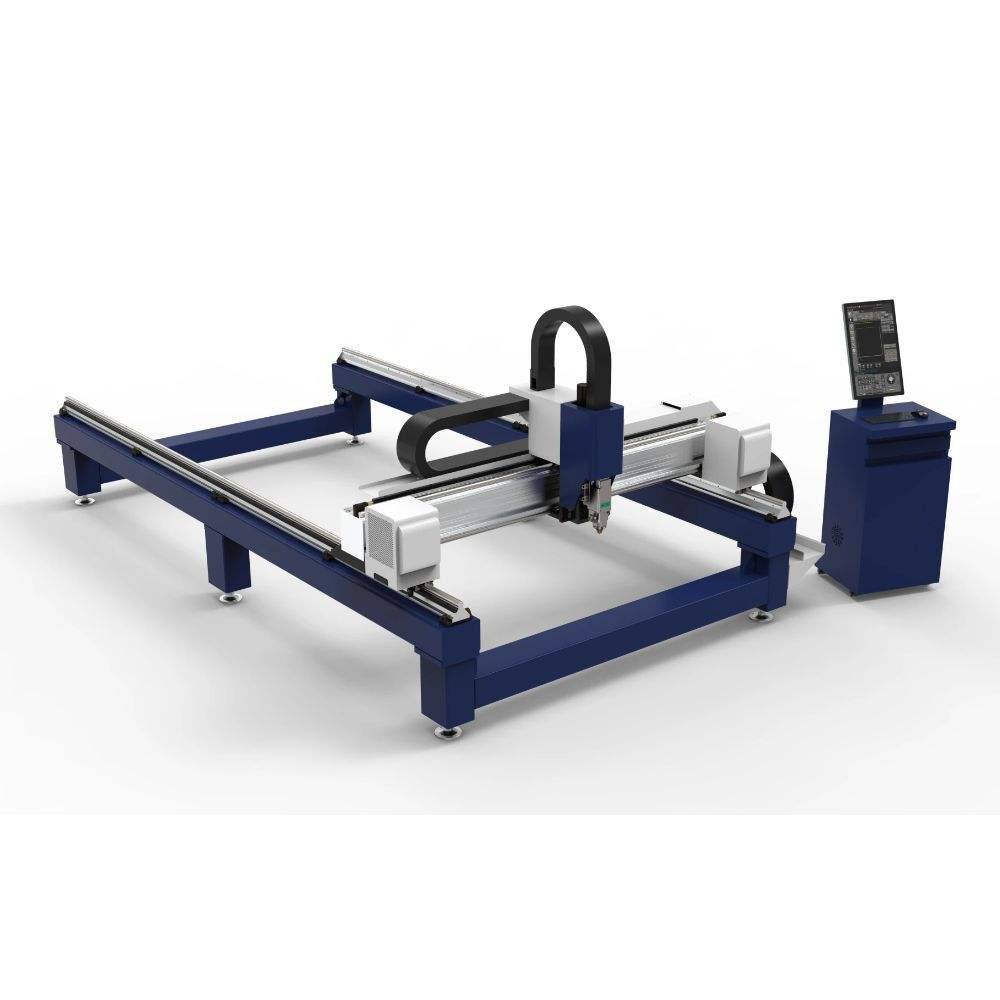
Understanding the 1.5kW Power Threshold
The 1.5kW (1500 Watts) power level is often considered the “sweet spot” for fabricators who primarily work with gauge materials and medium-thickness plates. While higher power machines exist, the 1.5kW fiber laser cutting system provides exceptional beam quality (M2 factor), which is crucial for achieving clean edges on carbon steel. For a workshop in Mexico City, this power level allows for the processing of carbon steel up to 14mm or 16mm in maximum thickness, with high-speed production optimized for the 1mm to 8mm range.
Optimizing Carbon Steel Processing in the Valle de México
Carbon steel, specifically grades like A36, 1018, and 1045, is widely used across Mexico for structural components, electrical enclosures, and automotive parts. Processing these materials with a 1.5kW fiber laser cutting machine requires a deep understanding of the interaction between the laser beam, the material’s thermal conductivity, and the assist gases used during the process.
Altitude and Atmospheric Considerations in CDMX
Operating a laser cutting machine in Mexico City presents unique engineering challenges due to the altitude (approximately 2,240 meters above sea level). The lower atmospheric pressure affects the density of the air and the performance of the cooling systems. For a 1.5kW system, the chiller must be robust enough to handle the thinner air’s reduced heat exchange efficiency. Engineers must ensure that the dual-temperature cooling system—one circuit for the laser source and another for the cutting head—is calibrated to maintain stable operating temperatures despite the local environmental variables.
Furthermore, the purity of the assist gas is paramount. In high-altitude environments, the compression of oxygen and nitrogen can be affected by ambient humidity and pressure. For carbon steel, oxygen is the primary assist gas, facilitating an exothermic reaction that adds thermal energy to the cut. Ensuring a consistent 99.5% purity level of oxygen is vital for preventing excessive dross and achieving a smooth, paint-ready edge finish.
Material Specifications: Carbon Steel Grades
In the Mexican market, A36 hot-rolled steel is the most common material processed. When laser cutting A36, the 1.5kW machine must account for the surface scale (mill scale). This oxide layer can interfere with the laser’s absorption rate. Advanced CNC controllers used in modern fiber laser cutting machines feature “piercing parameters” that allow for multi-stage piercing, ensuring that the laser penetrates the carbon steel cleanly without splashing material back onto the protective window of the cutting head.
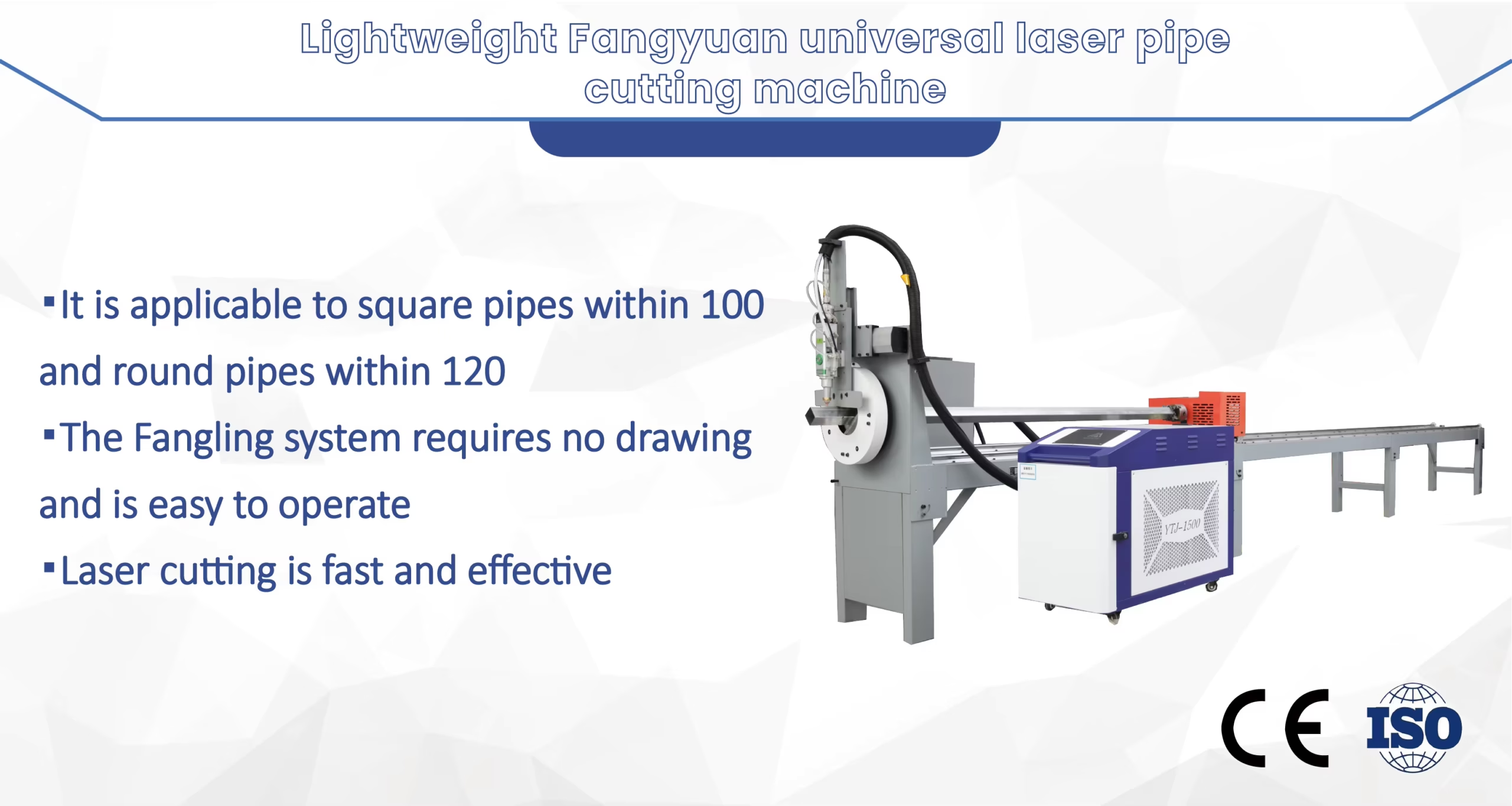
Technical Components and Engineering Excellence
A 1.5kW fiber laser cutting machine is a complex integration of optics, mechanics, and software. To maintain precision in high-volume production environments like Tlalnepantla or Naucalpan, the machine’s structural integrity is critical.
Fiber Laser Source and Beam Delivery
The heart of the system is the fiber laser source, typically manufactured by industry leaders such as IPG Photonics, Raycus, or MaxPhotonics. At 1.5kW, the laser source converts electrical energy into light with an efficiency of over 30%, which is significantly higher than the 10% efficiency of CO2 lasers. The light is delivered through a flexible fiber optic cable directly to the cutting head, eliminating the need for complex mirror alignments that were prone to failure in older systems.
The Cutting Head and Auto-Focus Technology
For carbon steel processing, the cutting head must be equipped with an automated focusing system. As the thickness of the carbon steel plate changes, the focal point must be adjusted to ensure the highest energy density is applied at the correct depth within the kerf. In a 1.5kW system, an auto-focus head (such as those from Raytools or WSX) allows the operator to switch between 3mm and 12mm carbon steel without manual intervention, significantly increasing throughput and reducing the margin for human error.
CNC Control and Software Integration
Modern laser cutting machines in the Mexican market utilize sophisticated CNC systems, such as CypCut or FSCUT. These systems allow for “nesting,” which optimizes the layout of parts on a sheet of carbon steel to minimize waste. Given the rising cost of raw materials in Mexico, achieving a 90% or higher material utilization rate is essential for maintaining profitability. The software also manages “fly-cutting,” a technique where the laser cuts a series of holes or shapes in a continuous motion without stopping the gantry, which is particularly effective on thinner carbon steel gauges.
Operational Efficiency and ROI for CDMX Fabricators
Investing in a 1.5kW fiber laser cutting machine is a significant financial decision. However, the Return on Investment (ROI) in the Mexico City industrial corridor is often realized within 12 to 18 months due to several factors.
Speed and Throughput
When cutting 3mm carbon steel, a 1.5kW fiber laser can reach speeds of approximately 3.5 to 4.5 meters per minute. Compared to traditional mechanical shearing or plasma cutting, the fiber laser provides a finished part that requires no secondary grinding or deburring. This “one-pass” production philosophy allows Mexican shops to take on more complex projects and meet tighter deadlines required by Tier 1 and Tier 2 automotive suppliers.
Low Maintenance and Operational Costs
One of the primary advantages of fiber laser technology is the lack of consumable parts within the laser source itself. Unlike CO2 lasers that require gas refills and internal mirror cleaning, the fiber laser source is a sealed unit. The primary consumables are limited to the copper nozzles, protective windows, and ceramic rings in the cutting head. For a workshop in Mexico City, this translates to higher machine uptime and lower overhead costs.
Maintenance Protocols for High-Altitude Environments
To ensure the longevity of a 1.5kW fiber laser cutting machine in the unique climate of Mexico City, a rigorous maintenance schedule must be followed. The combination of industrial dust and altitude-related cooling challenges requires specific attention.
Optical Path Protection
The cutting head contains sensitive lenses that must remain free of contamination. Even a microscopic dust particle can absorb laser energy, heat up, and shatter the lens. Operators should perform daily inspections of the protective window in a clean-room environment. Given the air quality in certain industrial zones of CDMX, using a high-quality air filtration system for the pneumatic lines is non-negotiable.
Chiller Calibration
The water chiller should be filled with deionized water and anti-corrosion additives. In Mexico City, where temperatures can fluctuate significantly between day and night, the chiller’s ability to maintain a constant temperature (usually within +/- 0.5 degrees Celsius) is vital. If the temperature deviates, the laser source’s wavelength can shift slightly, leading to inconsistent cuts in the carbon steel.
Safety Standards and Regulatory Compliance in Mexico
Operating a laser cutting machine requires strict adherence to safety protocols to protect workers from high-intensity light and hazardous fumes. In Mexico, the NOM (Normas Oficiales Mexicanas) provides guidelines for industrial safety.
The 1.5kW fiber laser operates at a wavelength (typically 1064nm) that is invisible to the human eye but can cause permanent retinal damage instantaneously. Therefore, the machine should ideally be fully enclosed (Class 1 Laser Safety) or operated in a restricted area with laser-safe viewing windows. Furthermore, cutting carbon steel produces fine particulate matter and iron oxide fumes. A robust dust extraction and filtration system is required not only for worker health but also to comply with the environmental regulations of the Mexico City government (SEDEMA).
Conclusion: The Future of Metal Fabrication in Mexico
The 1.5kW fiber laser cutting machine represents the democratization of high-precision technology. For the fabricators of Mexico City, it offers a path to modernization, allowing them to compete on a global scale. By mastering the nuances of carbon steel processing—from assist gas optimization to altitude-compensated maintenance—local manufacturers can ensure high-quality output and long-term mechanical reliability. As the Mexican industrial sector continues to evolve, the fiber laser will remain at the forefront of this transformation, turning raw carbon steel into the infrastructure of tomorrow.













