Mastering Aluminum Fabrication with 1.5kW Fiber laser cutting Technology in Toluca
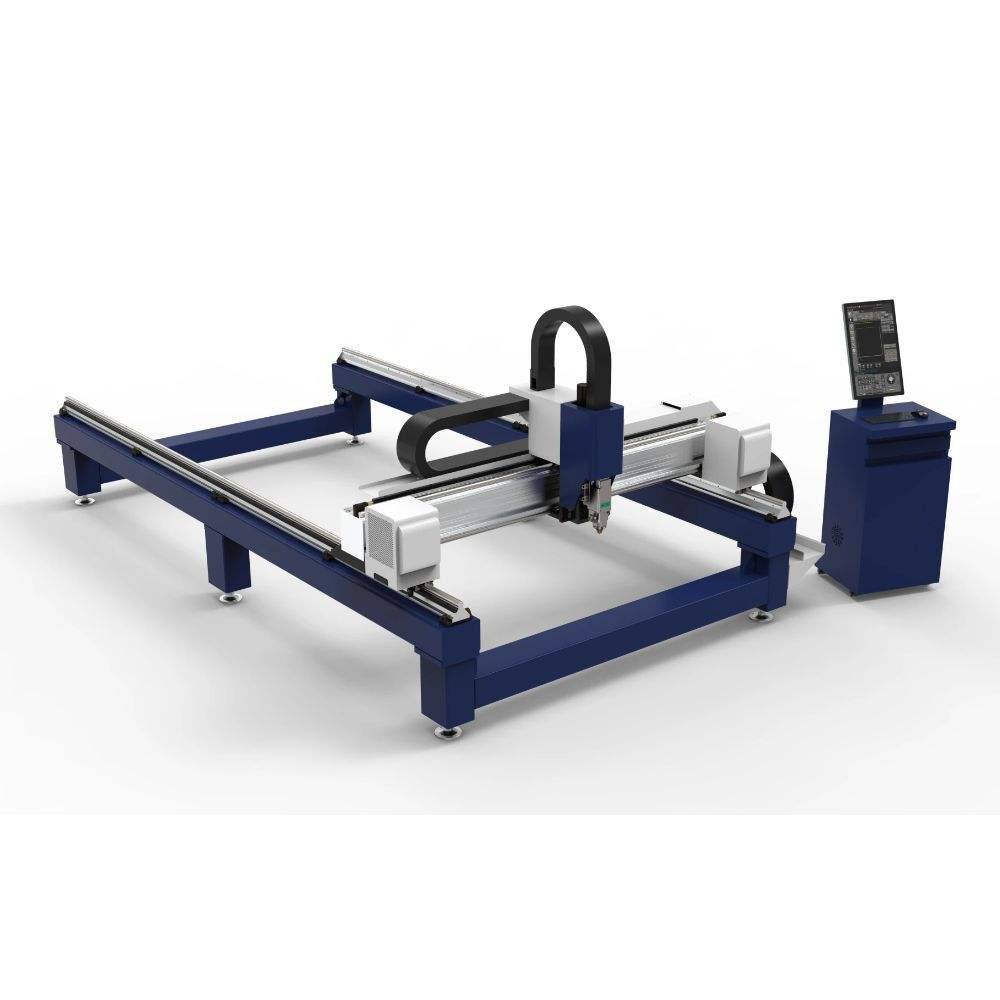
The industrial landscape of Toluca, State of Mexico, has undergone a significant transformation over the last decade. As one of Mexico’s primary manufacturing hubs, the region demands high-precision engineering solutions to support its robust automotive, aerospace, and electronics sectors. Among these solutions, the 1.5kW fiber laser cutting machine has emerged as a cornerstone technology, particularly for facilities specializing in aluminum alloy fabrication. This guide explores the technical nuances, operational strategies, and economic advantages of deploying 1.5kW fiber laser systems in the unique industrial climate of Toluca.
Fiber laser technology utilizes an optical fiber doped with rare-earth elements as its gain medium. When compared to traditional CO2 lasers, fiber lasers offer a shorter wavelength (typically around 1.07 microns), which is more readily absorbed by non-ferrous metals like aluminum. For a 1.5kW system, this translates to high efficiency, reduced operating costs, and the ability to process thin to medium-gauge aluminum alloys with exceptional edge quality.

The Strategic Importance of Toluca’s Manufacturing Ecosystem
Toluca serves as a critical node in the North American supply chain. With the presence of major OEMs and Tier 1 suppliers, the demand for lightweight, high-strength aluminum components is at an all-time high. Aluminum alloys, known for their excellent strength-to-weight ratio and corrosion resistance, are notoriously difficult to process using conventional mechanical methods due to their tendency to gall and deform under heat. The introduction of 1.5kW fiber laser cutting provides a non-contact, high-speed alternative that meets the stringent tolerances required by international standards such as ISO 9001 and IATF 16949, which are prevalent in Toluca’s industrial parks.
Technical Fundamentals of Laser Cutting Aluminum Alloys
Aluminum presents unique challenges in the realm of laser cutting. It is highly reflective and possesses high thermal conductivity. These two properties can lead to issues such as back-reflection (which can damage the laser source) and a large heat-affected zone (HAZ) if the process is not correctly managed. A 1.5kW fiber laser is specifically engineered to overcome these hurdles through high energy density and sophisticated beam delivery systems.
Overcoming High Reflectivity
In the early days of laser technology, cutting aluminum was a risky endeavor. The highly reflective surface of the metal could bounce the laser beam back into the delivery optics. Modern 1.5kW fiber lasers are equipped with back-reflection protection mechanisms. Furthermore, the 1.07-micron wavelength of fiber lasers is much better absorbed by aluminum than the 10.6-micron wavelength of CO2 lasers. This ensures that the energy is deposited into the material rather than being reflected, allowing for stable and continuous laser cutting even on polished aluminum surfaces.
Managing Thermal Conductivity
Aluminum dissipates heat rapidly. To achieve a clean cut, the laser must deliver enough energy to melt the material faster than the heat can conduct away into the surrounding plate. A 1.5kW power rating provides sufficient “punch” to maintain a high cutting speed on aluminum sheets up to 4mm or 5mm in thickness. By maintaining a high feed rate, the laser minimizes the time the beam spends on any single point, thereby narrowing the heat-affected zone and preventing the warping or dross formation that often plagues slower cutting processes.
Selecting the Right Aluminum Grade
In Toluca’s workshops, the most common alloys processed are the 5000 and 6000 series. The 5052 alloy is widely used for its formability and corrosion resistance, while 6061 is the standard for structural applications. A 1.5kW fiber laser handles these grades differently. The 5000 series typically cuts cleaner due to its magnesium content, whereas the silicon in 6061 can sometimes result in a slightly rougher edge. Precision adjustment of the laser’s frequency and duty cycle is essential to optimize the finish for each specific alloy.
Operational Excellence: Optimizing the 1.5kW Laser Cutting Process
To maximize the ROI of a fiber laser cutting machine in an industrial setting like Toluca, operators must master the variables of the cutting process. This involves a synergy between the CNC controller, the laser source, and the assist gas delivery system.
The Role of Assist Gases: Nitrogen vs. Oxygen
For aluminum, the choice of assist gas is paramount. Nitrogen is the industry standard for high-quality laser cutting of aluminum. It acts as a shielding gas, preventing oxidation of the molten edges and blowing the melt out of the kerf. This results in a bright, weld-ready edge. While oxygen can be used to increase cutting speeds in thicker materials by inducing an exothermic reaction, it often leaves a heavy oxide layer on aluminum that requires secondary cleaning. In the precision-oriented markets of Toluca, Nitrogen is almost always the preferred choice for 1.5kW systems.
Nozzle Selection and Focal Position
The nozzle diameter and the focal position of the beam significantly impact the kerf width and the smoothness of the cut. For a 1.5kW system cutting 2mm aluminum, a double-layer nozzle is often utilized to provide a stable gas flow. The focal point is typically set slightly below the surface of the material to ensure the energy is concentrated where the melt needs to be ejected. Constant monitoring of nozzle condition is vital, as any deformation or slag buildup can disrupt the gas flow and lead to “burring” on the underside of the part.
Nesting and Material Utilization
Given the rising costs of raw materials in the global market, maximizing sheet utilization is critical for Toluca-based fabricators. Advanced nesting software integrated with the laser cutting system allows for tight part spacing. The narrow kerf produced by the 1.5kW fiber laser (often less than 0.1mm) enables intricate geometries and common-line cutting, significantly reducing scrap rates and improving the overall profitability of the operation.
Maintenance and Longevity in Toluca’s Industrial Environment
Toluca’s altitude (approximately 2,660 meters above sea level) and its industrial atmosphere present specific maintenance challenges for high-tech machinery. The air density is lower, which can affect cooling systems, and the presence of industrial particulates requires robust filtration.
Cooling Systems and Chiller Maintenance
A 1.5kW fiber laser generates heat within the laser source and the cutting head. A dual-circuit water chiller is essential to maintain a constant temperature. In Toluca, where ambient temperatures can fluctuate, the chiller must be precisely calibrated. Operators should use deionized water and specialized additives to prevent algae growth and corrosion within the cooling lines. Regular checks of the chiller’s refrigerant levels and condenser cleanliness are mandatory to prevent thermal shutdowns during peak production hours.
Optical Path Integrity
The beauty of fiber laser cutting lies in its “fiber-to-fiber” delivery, which eliminates the need for the complex mirror alignments found in CO2 lasers. However, the protective window (cover glass) in the cutting head remains a consumable item. In a high-volume environment, dust or metal splatter can contaminate the lens. In Toluca’s busy shops, a “clean room” approach to lens replacement is recommended to ensure that no microscopic particles enter the cutting head, which could lead to catastrophic lens failure under the 1.5kW beam’s intensity.
Economic Impact and Competitive Advantage
For small to medium-sized enterprises (SMEs) in Toluca, investing in a 1.5kW fiber laser cutting machine is a strategic move toward modernization. The low power consumption—often one-third that of an equivalent CO2 laser—combined with the high cutting speed on thin materials, results in a significantly lower cost per part. Furthermore, the ability to offer precision aluminum cutting allows local shops to compete for contracts that were previously outsourced to larger facilities or international competitors.
Integration with Industry 4.0
Modern 1.5kW systems are increasingly compatible with Industry 4.0 standards. Real-time monitoring of cutting parameters, remote diagnostics, and integration with ERP systems allow Toluca’s manufacturers to achieve unprecedented levels of transparency and efficiency. This digital integration is essential for maintaining the “just-in-time” delivery schedules demanded by the automotive assembly plants located in the nearby Lerma and Toluca industrial corridors.
Conclusion: The Future of Fabrication in Toluca
The 1.5kW fiber laser cutting machine represents the perfect balance of power, precision, and price for the current needs of the Toluca manufacturing sector. By understanding the specific requirements of aluminum alloys and maintaining rigorous operational standards, fabricators can produce high-quality components that meet the world’s most demanding specifications. As Mexico continues to solidify its position as a global manufacturing powerhouse, the adoption of advanced laser cutting technology will remain a defining factor in the success and sustainability of the local industrial community.
Whether it is for the production of automotive heat shields, electronic enclosures, or aerospace brackets, the 1.5kW fiber laser is a versatile tool that empowers Toluca’s engineers to push the boundaries of what is possible with aluminum. By focusing on technical mastery and continuous improvement, the region’s fabrication industry is well-positioned for a future of growth and innovation.













