The Dawn of Ultra-High Power: The 30kW Advantage
In the realm of industrial laser cutting, the jump to 30kW represents more than just an increase in raw power; it represents a fundamental shift in the physics of material interaction. For decades, structural steel fabrication relied on plasma cutting or lower-wattage CO2 lasers. However, the 30kW fiber laser source provides a power density that allows for “sublimation-like” cutting speeds on thick-walled structural members. In the context of Rosario’s industrial sector, this means the ability to process carbon steel up to 50mm or 80mm with a precision that was previously reserved for thin sheet metal.
The 30kW threshold is critical for stadium construction because of the scale of the components involved. Stadiums require massive I-beams, H-beams, and large-diameter hollow sections to support cantilevered roofs and heavy spectator tiers. At 30kW, the laser maintains a stable keyhole even through varying material densities and surface imperfections. The result is a drastically reduced Heat Affected Zone (HAZ), which is vital for maintaining the metallurgical properties of high-strength structural steel. By minimizing thermal distortion, the 30kW system ensures that 20-meter long rafters remain perfectly straight, facilitating easier assembly on the construction site.
3D Processing: Beyond the Flatbed
Traditional laser cutters are confined to X and Y axes, limiting them to flat plates. A 3D Structural Steel Processing Center, however, utilizes a multi-axis gantry and often a rotary chuck system to manipulate three-dimensional profiles. When fabricating components for a stadium in Rosario, engineers are rarely dealing with flat surfaces. They are dealing with “Smart Geometries”—interlocking trusses, bird-mouth joints for tubular structures, and complex notches in I-beams.
The 3D processing capability allows the laser head to move around the workpiece, or the workpiece to rotate beneath the head, enabling the cutting of holes, slots, and complex end-profiles in a single setup. This eliminates the need for manual layout and secondary machining. For a stadium’s primary structural frame, this means every bolt hole is aligned to a sub-millimeter tolerance across hundreds of components, ensuring that the “big lift” during on-site erection proceeds without the need for costly field modifications or “re-working” of steel.
The ±45° Bevel: Mastering the Art of Weld Preparation
Perhaps the most significant feature of the Rosario facility is the ±45° bevel cutting head. In structural engineering, particularly for large-scale public infrastructure like stadiums, the strength of a joint is entirely dependent on the quality of the weld. To achieve full-penetration welds in thick steel, the edges must be beveled into V, Y, or K shapes.
Historically, this beveling was done manually using oxy-fuel torches or mechanical grinding—processes that are slow, inconsistent, and physically demanding. The 30kW fiber laser’s 5-axis head can perform these bevels during the initial cutting process. By tilting the laser head up to 45 degrees, the machine produces a clean, oxide-free edge that is ready for welding immediately. This precision ensures a perfect “fit-up” between massive structural members. When two 30mm thick steel plates meet at a complex angle in a stadium truss, the laser-cut bevel ensures that the gap is uniform, reducing the volume of weld metal required and significantly lowering the risk of structural failure due to weld defects.
Strategic Implementation in Rosario: An Industrial Hub
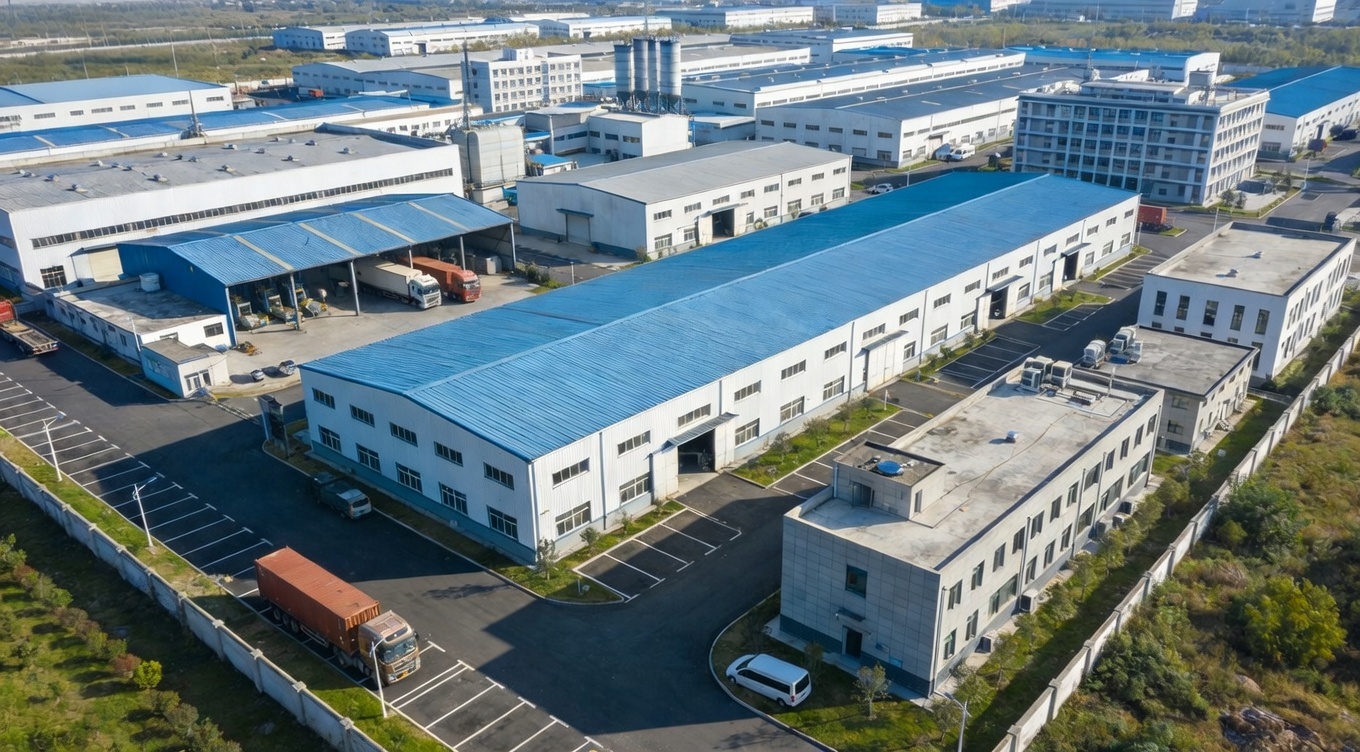
Rosario has long been the heart of Argentina’s metallurgical and logistical network. Situated along the Paraná River, it serves as a gateway for both raw materials and finished heavy industry products. Establishing a 30kW Fiber Laser Center here is a strategic move that leverages local expertise in heavy fabrication while upgrading the region’s technological output.
The facility serves as a centralized “processing powerhouse” for regional stadium projects and large-scale infrastructure. By locating this technology in Rosario, developers can minimize transport costs of raw steel from mills to the processing center. Furthermore, the integration of CAD/CAM software allows architects in Buenos Aires or international consultants to send digital files directly to the Rosario center, where the 30kW laser translates those designs into physical steel with absolute fidelity. This digital-to-physical workflow is essential for the fast-tracked timelines often associated with international sporting events.
Engineering Stadium Steel: Complexity and Safety
Stadium architecture has evolved from simple concrete bowls to complex, “living” structures with retractable roofs and sweeping, organic curves. These designs create immense stress on the steel skeleton. The 30kW fiber laser is uniquely suited to meet these challenges. For instance, the compression rings that circle the top of modern stadiums require high-precision segments that must be welded together to form a perfect circle. Any deviation in the cut angle or bevel would be magnified over the circumference, leading to catastrophic misalignments.
Moreover, the safety standards for stadium construction are among the most stringent in the world. The precision of the fiber laser ensures that there are no micro-cracks or “nicks” in the cut edge, which are common with plasma cutting and can act as stress concentrators. By providing a smooth, laser-cut finish, the structural integrity of the steel is preserved, ensuring the stadium can withstand the dynamic loads of thousands of cheering fans and the environmental stresses of wind and temperature fluctuations over decades.
Efficiency, Sustainability, and the Bottom Line
While the initial investment in a 30kW fiber laser system is significant, the operational efficiencies provide a rapid return on investment. Fiber lasers are notoriously energy-efficient compared to CO2 lasers, converting more electrical power into light. Additionally, the speed of 30kW cutting reduces the “time-per-part” dramatically. What used to take hours of sawing, drilling, and manual grinding now takes minutes of automated laser processing.
From a sustainability perspective, the precision of the laser allows for “nesting” of parts—placing them as close together as possible on the steel beam or plate to minimize waste. In a project as massive as a stadium, a 5% saving in material waste can equate to hundreds of tons of steel and significant cost reductions. Furthermore, because the laser-cut edges are so clean, the need for chemical cleaning or aggressive grinding is eliminated, reducing the environmental footprint of the fabrication shop in Rosario.
The Future: Digital Twins and Automated Fabrication
The 30kW Fiber Laser 3D Structural Steel Processing Center is not just a cutting tool; it is a node in the “Industry 4.0” ecosystem. Every cut made in the Rosario facility can be tracked and mirrored in a “Digital Twin” of the stadium. This allows for real-time quality control and lifecycle management of the structure. If a specific beam in the stadium’s roof needs inspection twenty years from now, the digital records from the laser center will show exactly how it was cut, the batch of steel used, and the precision of its bevels.
As we look toward the future of South American infrastructure, the marriage of high-power photonics and heavy structural engineering will define the landscape. The ability to cut, bevel, and process 3D steel members with 30kW of fiber laser power in Rosario is a clear signal that the region is ready to compete on the global stage, building the iconic, safe, and efficient stadiums of the 21st century.
Conclusion
The integration of a 30kW Fiber Laser 3D Processing Center with ±45° beveling capabilities represents the pinnacle of modern steel fabrication. For the city of Rosario and the wider stadium construction industry, this technology provides the essential tools to tackle the most ambitious architectural designs. By ensuring unparalleled precision, reducing secondary processing, and maintaining the highest safety standards, this facility is not merely cutting steel—it is forging the future of public spaces and structural excellence.













