The Strategic Implementation of 6kW Precision Laser Systems in Mexico City’s Industrial Sector
The manufacturing landscape in Mexico, particularly within the industrial corridors of Mexico City (CDMX) and the surrounding State of Mexico, is undergoing a rapid technological transformation. As nearshoring trends continue to drive global companies toward the “Valle de México,” the demand for high-throughput, high-precision fabrication has never been higher. At the center of this shift is the 6kW precision fiber laser system. This power class represents the “sweet spot” for modern fabrication, offering a perfect balance between capital investment and the ability to process thick-section carbon steel—the backbone of Mexico’s construction, automotive, and heavy machinery industries.
Implementing a 6kW laser cutting system in Mexico City requires more than just an understanding of the machine’s specifications. It demands a nuanced approach to metallurgy, atmospheric physics due to the city’s high altitude, and the specific grades of carbon steel prevalent in the local market. This guide provides a comprehensive engineering perspective on optimizing 6kW systems for peak performance in the Mexican capital.
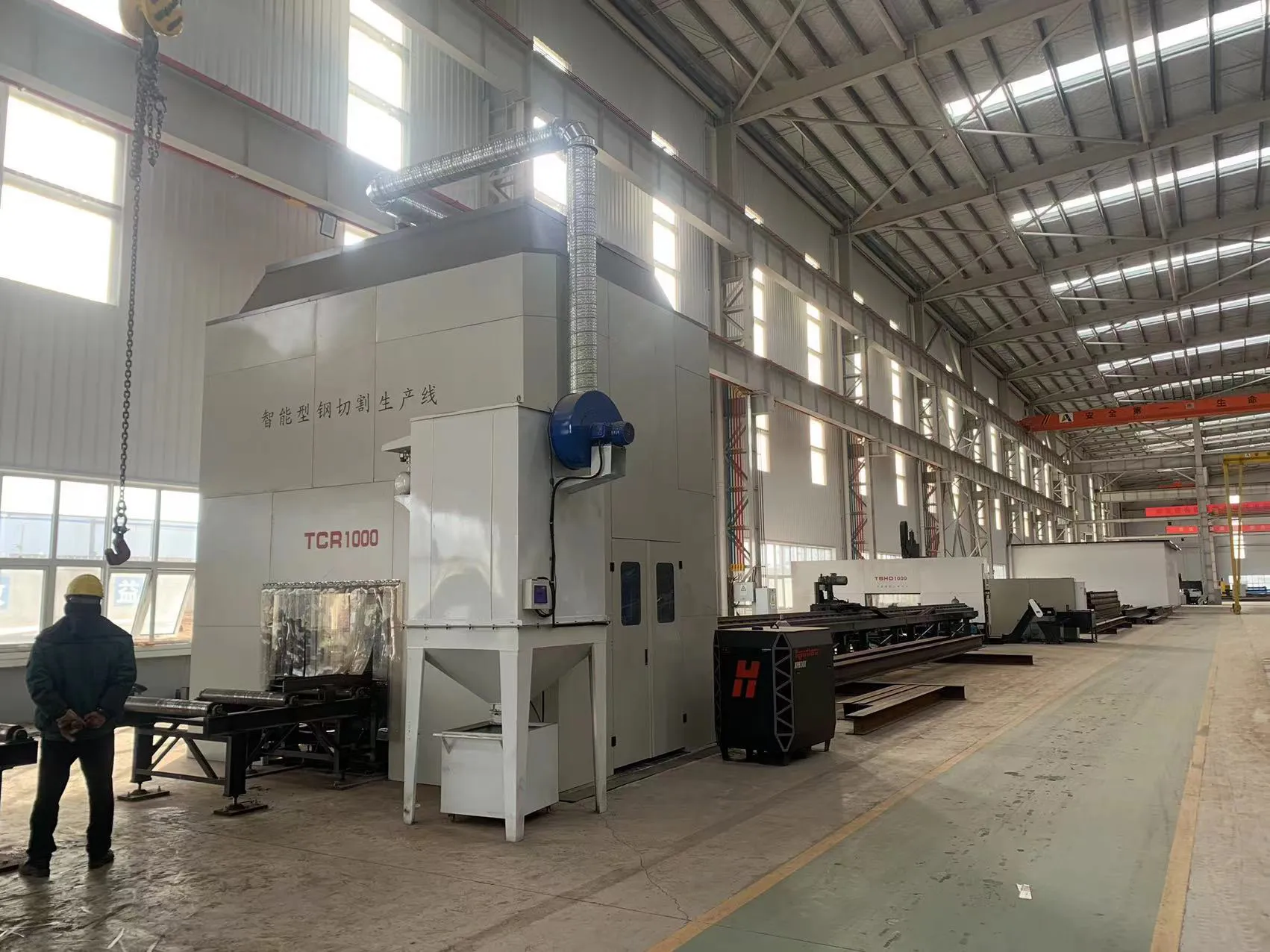
Technical Architecture of the 6kW Fiber Laser
A 6kW fiber laser operates by generating a high-intensity beam through a series of laser diodes that pump energy into a fiber optic cable doped with rare-earth elements like ytterbium. The resulting beam is characterized by a wavelength of approximately 1.07 microns, which is highly absorbable by ferrous metals like carbon steel. Unlike older CO2 technologies, the 6kW fiber system delivers energy with much higher wall-plug efficiency, often exceeding 35% to 40%.
Beam Quality and Power Density
In the context of laser cutting, power is only one part of the equation; beam quality (measured by the Beam Parameter Product or BPP) is what determines the precision of the kerf. A 6kW system provides sufficient power density to maintain a stable “keyhole” during the cutting process, allowing for high-speed processing of 12mm to 20mm carbon steel with minimal heat-affected zones (HAZ). This is critical for parts that require subsequent welding or precision assembly, as excessive heat can alter the mechanical properties of the steel.
Carbon Steel Processing: Metallurgy and Gas Dynamics
Carbon steel is the most widely used material in the Mexican manufacturing sector, ranging from Grade A36 for structural applications to specialized high-carbon alloys for automotive components. A 6kW system provides the versatility to handle these variations with ease, provided the parameters are correctly tuned.
Oxygen vs. Nitrogen in 6kW Cutting
When processing carbon steel, the choice of assist gas is paramount. For thicknesses exceeding 6mm, oxygen (O2) is typically used as the assist gas. The oxygen reacts exothermically with the molten steel, adding thermal energy to the laser cutting process and enabling the separation of thick plates (up to 25mm or more with a 6kW source). However, this creates an oxide layer on the cut edge that must be removed if the part is to be painted or powder-coated.
Alternatively, 6kW systems are increasingly utilizing high-pressure nitrogen (N2) or “clean air” for thinner carbon steel sections (up to 10mm). While nitrogen requires more power to “push” the molten metal without the help of an exothermic reaction, it results in a clean, oxide-free edge. In the competitive Mexico City market, offering oxide-free edges directly from the machine provides a significant cost advantage by eliminating secondary cleaning processes.
 laser cutting machine” style=”width: 100%; max-width: 800px; margin: 20px 0; display: block;”>
Environmental Considerations: The Mexico City Factor
Operating high-precision laser cutting equipment in Mexico City presents unique engineering challenges that are often overlooked. The city’s geography and infrastructure require specific adjustments to ensure machine longevity and cut quality.
Altitude and Atmospheric Pressure
Mexico City sits at an average elevation of 2,240 meters (7,350 feet). At this altitude, the atmospheric pressure is significantly lower than at sea level. This affects the dynamics of the assist gas as it exits the nozzle. Engineers must often compensate by slightly increasing gas pressures or modifying nozzle geometries to maintain the laminar flow necessary for a clean cut. Furthermore, the lower air density impacts the cooling efficiency of the system’s chillers. It is standard practice in CDMX to oversize cooling units or utilize high-efficiency heat exchangers to prevent the laser source from overheating during the hot “Estiaje” season.
Power Stability and Grid Quality
The industrial electrical grid in certain parts of the Valle de México can experience voltage fluctuations and harmonic distortions. For a precision 6kW laser, power stability is non-negotiable. A 1% fluctuation in power can lead to “dross” (unmelted residue) on the bottom of a carbon steel plate. Installing a high-capacity industrial voltage stabilizer and an isolation transformer is a mandatory step for any installation in the region to protect the sensitive laser diodes and CNC controllers.
Optimizing Throughput for “Nearshoring” Demands
With the influx of Tier 1 and Tier 2 automotive suppliers to Mexico, the 6kW laser must be integrated into a lean manufacturing workflow. The goal is to maximize “beam-on” time. This is achieved through advanced nesting software and automated material handling.
Nesting and Material Utilization
Given the rising costs of raw carbon steel, maximizing sheet utilization is essential. Modern laser cutting software uses AI-driven algorithms to nest parts with minimal spacing, sometimes as little as 3mm apart. For 6kW systems, “common line cutting”—where two parts share a single cut path—can reduce processing time by 20% and gas consumption by 15%, directly impacting the bottom line of Mexican workshops.
Piercing Technologies
One of the biggest bottlenecks in thick plate carbon steel cutting is the pierce time. A 6kW system utilizes “frequency-modulated piercing” or “flash piercing” to penetrate 20mm plate in a fraction of a second. By controlling the ramp-up of laser power and the pressure of the oxygen, the system avoids “volcano” effects where molten metal spatters back onto the expensive laser nozzle and protective window.
Maintenance and Operational Excellence
In the high-dust environment of many Mexico City industrial zones, maintenance is the difference between a 10-year machine life and a 3-year failure. The 6kW fiber laser is a sealed system, but the external components require rigorous care.
Optical Path Integrity
The most critical maintenance task is ensuring the cleanliness of the protective windows (cover slips). Even a microscopic dust particle can absorb 6kW of energy, causing the window to shatter and potentially damaging the internal collimating lenses. Operators in CDMX should be trained in “clean room” protocols when changing consumables, especially given the particulate matter common in the city’s air.
Gas Purity
The quality of oxygen and nitrogen supplied in Mexico varies by provider. For 6kW laser cutting, nitrogen must be 99.99% pure (Grade 5.0). Impurities in the gas line can lead to yellowing of the cut edge or inconsistent cutting speeds. Installing high-quality inline filters and monitoring gas dew points is essential for maintaining precision in carbon steel applications.
The Economic Impact: Why 6kW Makes Sense for Mexico
From an economic standpoint, the 6kW laser offers a faster Return on Investment (ROI) than lower-power alternatives. While a 3kW machine may struggle with 16mm carbon steel, requiring slow speeds and resulting in a rough finish, the 6kW machine cruises through the same material with a “mirror finish.” This reduces the need for secondary grinding, which is labor-intensive. Although labor costs in Mexico are competitive, the global market demands the consistency that only automation and high-power laser cutting can provide.
Furthermore, the 6kW system allows Mexican shops to diversify. One day they can cut thin-gauge galvanized sheets for HVAC ducting, and the next, they can process heavy baseplates for structural steel buildings in Santa Fe or Reforma. This versatility is the key to surviving and thriving in the dynamic Mexican economy.
Conclusion: The Future of Fabrication in CDMX
The 6kW precision laser system is more than just a tool; it is a catalyst for industrial maturity in Mexico City. By understanding the interplay between high-power fiber laser technology and the specific metallurgical and environmental conditions of the region, manufacturers can achieve world-class results. As laser cutting continues to evolve, the integration of 6kW systems will remain a cornerstone of Mexico’s identity as a global manufacturing powerhouse, providing the precision, speed, and reliability needed to meet the challenges of the 21st-century supply chain.
For engineers and business owners in CDMX, investing in a 6kW system is a commitment to quality. When calibrated for the altitude, protected against power surges, and fed with high-purity gases, these machines turn carbon steel into the intricate, high-performance components that drive the world forward.













