1.5kW Precision Laser System: A Comprehensive Guide for Stainless Steel Fabrication in Toluca
The industrial landscape of Toluca, State of Mexico, has undergone a significant transformation over the last decade. As a primary hub for automotive, aerospace, and food processing industries, the demand for high-precision components has never been higher. Central to this manufacturing evolution is the adoption of the 1.5kW precision fiber laser system. This power range represents a strategic “sweet spot” for many medium-to-small enterprises (SMEs) and large-scale Tier 2 suppliers who require a balance between capital investment and high-performance output, particularly when processing stainless steel alloys.
For engineers and production managers in Toluca, understanding the nuances of 1.5kW fiber technology is essential for maintaining a competitive edge. This guide explores the technical parameters, operational advantages, and localized considerations for implementing laser cutting solutions tailored for stainless steel applications in the region’s unique industrial environment.
The Strategic Advantage of 1.5kW Fiber Technology
In the realm of thermal cutting, the 1.5kW fiber laser is engineered for high-speed processing of thin to medium-gauge materials. While higher wattage systems (6kW to 20kW) are available for heavy plate, the 1.5kW system excels in precision and edge quality for stainless steel thicknesses ranging from 0.5mm to 6mm. In Toluca’s manufacturing clusters, where many components for electronic enclosures, automotive brackets, and kitchen equipment are fabricated, this power level provides the highest ROI.
The fiber laser’s wavelength, typically around 1.07 microns, is absorbed much more efficiently by stainless steel compared to the 10.6 microns of traditional CO2 lasers. This increased absorption rate translates to faster cutting speeds and a smaller Heat Affected Zone (HAZ). For a 1.5kW system, the energy density at the focal point is sufficient to vaporize stainless steel almost instantaneously, allowing for intricate geometries that were previously impossible or too costly to achieve with mechanical punching or plasma cutting.
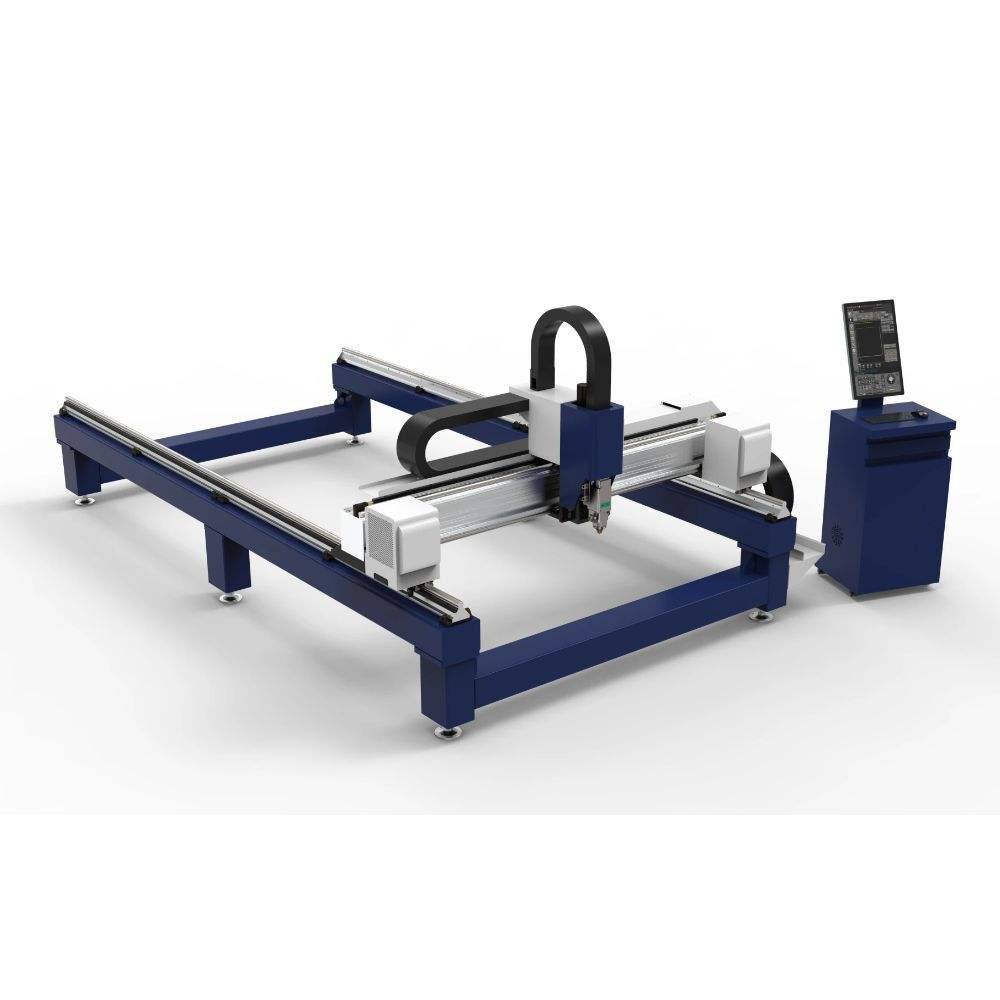
Technical Specifications and Performance Parameters
When evaluating a 1.5kW precision system for stainless steel, several technical benchmarks must be considered. Precision laser cutting is not merely a function of power, but a synergy of beam quality (M2 factor), motion control accuracy, and gas dynamics. A high-quality 1.5kW system should offer a positioning accuracy of ±0.03mm and a repeatability of ±0.02mm.
For stainless steel, the cutting speeds are impressive. A 1.5kW source can typically process 1mm stainless steel at speeds exceeding 20 meters per minute, depending on the machine’s drive system (linear motors vs. rack and pinion). As the thickness increases to 3mm, the speed settles into a more controlled 4 to 6 meters per minute, ensuring that the kerf remains narrow and the dross remains minimal. The ability to maintain these speeds while ensuring a perpendicular cut edge is what defines a “precision” system.
Optimizing Stainless Steel Processing in Toluca
Stainless steel presents unique challenges due to its chromium and nickel content. These elements affect the material’s thermal conductivity and how it reacts to the laser beam. In Toluca, where the altitude exceeds 2,600 meters above sea level, atmospheric pressure and oxygen levels differ from coastal manufacturing sites. This environmental factor can subtly influence the performance of the assist gases used during the laser cutting process.
The Role of Assist Gases: Nitrogen vs. Oxygen
For stainless steel, the choice of assist gas is critical. Most precision applications in the medical or food-grade sectors in Toluca require Nitrogen (N2) as the assist gas. Nitrogen acts as a shielding agent, preventing oxidation of the cut edge. This results in a “bright” or “clean” finish that requires no secondary cleaning before welding or painting. A 1.5kW system paired with high-pressure nitrogen (typically 15-20 bar) allows for high-speed sublimation cutting.
Conversely, Oxygen (O2) can be used for thicker sections of stainless steel, but it results in a dark, oxidized edge. While oxygen increases the cutting speed on thicker plates by introducing an exothermic reaction, the resulting oxide layer must often be removed if the part is to be welded, which adds labor costs. For the precision-focused industries in Toluca, nitrogen remains the standard for 1.5kW operations.

Environmental Considerations: Altitude and Cooling
Toluca’s high altitude presents a specific engineering challenge: heat dissipation. Electronic components and the laser source itself rely on efficient cooling. At 2,600 meters, the air is thinner, which can reduce the efficiency of air-cooled chillers. When installing a 1.5kW system in Toluca, it is imperative to use a high-performance, dual-circuit water chiller that is rated for the local climate. This ensures that both the laser source and the cutting head maintain a stable temperature, preventing “beam drift” and ensuring consistent laser cutting quality throughout long production shifts.
Application in Toluca’s Key Industries
The versatility of the 1.5kW system makes it indispensable for several local sectors:
1. Automotive Component Manufacturing
Toluca is home to some of the world’s largest automotive assembly plants. The 1.5kW laser is used extensively for cutting interior trim components, heat shields, and specialized brackets made from 304-grade stainless steel. The precision of the laser ensures that parts meet the tight tolerances required for automated assembly lines.
2. Food and Pharmaceutical Equipment
Given the concentration of pharmaceutical companies in the region, there is a constant need for stainless steel processing that meets sanitary standards. Laser cutting with nitrogen ensures that the edges of mixing tanks, conveyor components, and packaging machinery are free from contaminants and burrs, facilitating easy sterilization.
3. Architectural and Decorative Hardware
Stainless steel is a favorite for Toluca’s modern architectural projects. From elevator panels to custom signage, the 1.5kW laser allows for high-detail filigree and geometric patterns that would be impossible with traditional tooling. The precision system ensures that large panels align perfectly during installation.
Maintenance and Longevity of the Laser System
To maintain precision over the lifespan of the machine (which can exceed 100,000 hours for the fiber source), a rigorous maintenance schedule is required. In the industrial zones of Toluca, dust and particulate matter can be prevalent. High-quality bellows and pressurized optical paths are necessary to keep the internal optics clean. Regular inspection of the protective window (cover glass) is the most critical daily task for operators; even a tiny speck of dust can absorb laser energy, heat up, and shatter the lens, leading to costly downtime.
Furthermore, the motion system—the rails, gears, and motors—must be lubricated and calibrated. In a precision 1.5kW system, even a 0.05mm misalignment can lead to “out-of-round” circles or jagged edges in stainless steel. Local service support in Mexico is a vital consideration for any firm investing in this technology, ensuring that technicians can provide rapid onsite calibration.
Economic Impact and Return on Investment (ROI)
The transition to a 1.5kW laser cutting system represents a significant capital expenditure, but the ROI is often realized within 12 to 18 months for high-volume shops in Toluca. The primary drivers of this ROI are the elimination of tooling costs, the reduction in material waste through advanced nesting software, and the dramatic increase in throughput compared to older CO2 or mechanical methods.
Additionally, the energy efficiency of fiber lasers is roughly 30-40% higher than CO2 lasers. In an era where energy costs are a major concern for Mexican manufacturers, the lower electricity consumption of the 1.5kW fiber source provides a direct boost to the bottom line. When combined with the reduced need for secondary finishing on stainless steel, the cost-per-part becomes highly competitive on the global stage.
Conclusion: The Future of Precision Fabrication
The 1.5kW precision laser system is more than just a tool; it is a catalyst for industrial growth in Toluca. By providing the ability to process stainless steel with extreme accuracy, speed, and efficiency, it enables local manufacturers to move up the value chain. Whether it is producing critical components for the next generation of electric vehicles or crafting precision instruments for the medical sector, the fiber laser remains the gold standard for modern fabrication.
As technology continues to advance, we can expect even greater integration of AI and real-time monitoring within these systems, further refining the laser cutting process. For the engineers and visionaries in Toluca, the 1.5kW system is the foundation upon which the future of Mexican manufacturing is being built.













