Introduction to 2kW Tube laser cutter Technology in Monterrey
Monterrey, Nuevo León, stands as the industrial heart of Mexico, serving as a critical hub for the automotive, aerospace, and home appliance sectors. In this high-demand environment, the adoption of fiber laser technology has revolutionized how metal fabricators approach production. Specifically, the 2kW tube laser cutter has emerged as the industry standard for processing stainless steel components with unparalleled precision and efficiency. As manufacturing facilities in Apodaca, Santa Catarina, and Guadalupe continue to modernize, understanding the technical nuances of 2kW fiber sources is essential for maintaining a competitive edge in the global supply chain.
The 2kW power rating represents a strategic “sweet spot” for many Monterrey-based enterprises. It offers sufficient energy density to achieve high-speed laser cutting on thin-to-medium wall stainless steel tubes while maintaining lower operational costs compared to higher-wattage systems. This guide explores the engineering principles, operational parameters, and regional considerations for deploying a 2kW tube laser cutter specifically for stainless steel applications.

The Strategic Advantage of 2kW Fiber Laser Power
Fiber laser technology utilizes an optical fiber doped with rare-earth elements to amplify light. At a 2kW output, the beam quality (BPP) is exceptionally high, allowing for a concentrated spot size that is ideal for the reflective nature of stainless steel. Unlike CO2 lasers, fiber lasers operate at a wavelength of approximately 1.06 microns, which is more readily absorbed by metallic surfaces, particularly stainless steel alloys.
Optimal Material Thickness for Stainless Steel
For a 2kW system, the primary focus is on stainless steel tube walls ranging from 0.5mm to 6.0mm. While a 2kW source can technically pierce thicker sections, the efficiency and edge quality are most optimized within this range. In the context of Monterrey’s appliance industry (OEMs like Whirlpool or Mabe), most structural and aesthetic components fall within these specifications. The 2kW laser cutting process ensures that the Heat Affected Zone (HAZ) remains minimal, preserving the anti-corrosive properties of the stainless steel—a critical requirement for food-grade and medical applications.
Energy Efficiency and Operational Cost
In the industrial climate of Nuevo León, where electricity costs are a significant factor in overhead, the wall-plug efficiency of a 2kW fiber laser is a major advantage. Fiber lasers typically convert about 30-35% of electrical energy into laser light, compared to the 10% efficiency of older technologies. For a 2kW machine, this translates to lower cooling requirements and reduced strain on the local power grid, which can be prone to fluctuations during peak summer months in Monterrey.
Precision Tube Processing in Monterrey’s Industrial Corridor
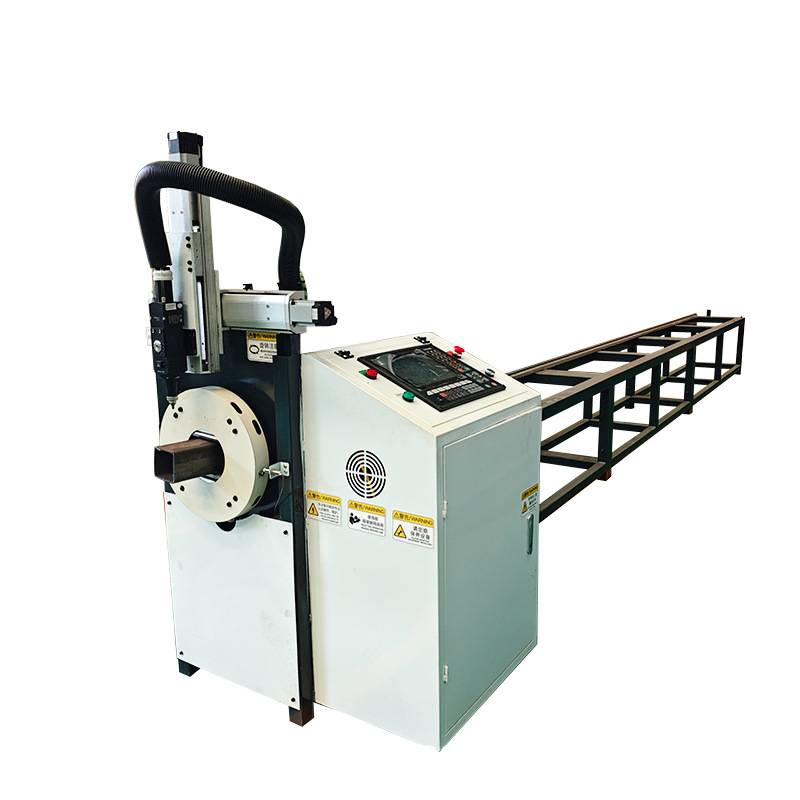
The geography of Monterrey demands high-precision output to meet the “Just-in-Time” (JIT) requirements of the nearby US border and local assembly plants. A 2kW tube laser cutter is not merely about the power source; it is about the integration of CNC precision with the fiber beam. These machines are designed to handle various profiles, including round, square, rectangular, and even open profiles like C-channels or angles, which are common in Monterrey’s structural engineering firms.
Automotive and Aerospace Standards
The Tier 1 and Tier 2 automotive suppliers in the region require strict adherence to tolerances, often within +/- 0.1mm. A 2kW laser cutting system equipped with high-precision chucks and automated loading systems can meet these demands consistently. When processing stainless steel exhaust components or fuel lines, the laser must maintain a stable focal point despite the vibration of the rotating tube. Modern 2kW systems utilize sophisticated “following” heads that adjust the nozzle height in real-time based on the tube’s surface irregularities.
Complex Geometry and Nesting
One of the primary benefits of using a dedicated tube laser over manual sawing or drilling is the ability to cut complex geometries. This includes interlocking tabs, bird-mouth joints for welding, and intricate perforations. In Monterrey’s furniture and architectural sectors, the 2kW laser allows designers to create stainless steel structures that snap together with minimal jigging, significantly reducing the time required for subsequent TIG or MIG welding processes.
Technical Parameters for Stainless Steel Laser Cutting
To achieve the best results with stainless steel, operators in Monterrey must calibrate their machines based on the specific grade of the material, such as 304 or 316. Stainless steel’s alloying elements, like chromium and nickel, affect how the material melts and flows during the laser cutting process.
Gas Selection: The Nitrogen Advantage
For stainless steel, the choice of assist gas is paramount. Nitrogen is the preferred medium for 2kW laser cutting when a clean, oxide-free edge is required. Unlike oxygen, which relies on an exothermic reaction to “burn” through the metal, nitrogen acts as a cooling agent and mechanical force to blow the molten metal out of the kerf. This prevents the formation of a dark oxide layer, allowing the part to be welded or polished immediately after cutting without secondary cleaning. Given the high availability of industrial gases in the Monterrey-Saltillo area, sourcing high-purity nitrogen is standard practice for local fabricators.
Feed Rates and Kerf Management
At 2kW, a 2mm wall stainless steel tube can typically be cut at speeds exceeding 15 meters per minute, depending on the complexity of the path. The “kerf” or width of the cut is extremely narrow with a fiber laser, usually around 0.1mm to 0.2mm. Precision control of the feed rate is essential; if the speed is too slow, excess heat can cause “dross” or slag to adhere to the bottom of the cut. Conversely, if the speed is too high, the laser may not fully penetrate the wall. Mastering these parameters is what separates high-end Monterrey workshops from basic fabrication shops.
Maintenance and Environmental Factors in Nuevo León
Operating high-precision machinery in Monterrey presents unique environmental challenges. The region is known for its extreme heat and occasional high dust levels from industrial activity and the surrounding semi-arid landscape. A 2kW tube laser cutter requires specific maintenance protocols to ensure longevity and accuracy.
Cooling Systems and Thermal Stability
The fiber source and the cutting head must be kept within a strict temperature range. In Monterrey, where ambient temperatures can exceed 40°C, a high-capacity industrial chiller is non-negotiable. The chiller must be a dual-circuit system: one circuit to cool the fiber laser source and another to cool the optical components of the cutting head. Any fluctuation in temperature can lead to “thermal lensing,” where the focal point shifts, resulting in inconsistent laser cutting quality.
Dust Extraction and Optical Protection
Stainless steel cutting generates fine metallic dust and fumes. Effective dust extraction systems are necessary to protect the machine’s linear guides and the health of the operators. Furthermore, the “cover glass” or protective window in the cutting head must be inspected daily. Even a microscopic speck of dust on the lens can absorb 2kW of laser energy, causing the glass to shatter and potentially damaging the internal optics. In the industrial parks of Santa Catarina, where air quality can vary, many shops implement pressurized enclosures for their laser machines to maintain a clean-room environment for the optical path.
Economic Impact and ROI for Monterrey Fabricators
The investment in a 2kW tube laser cutter is a significant capital expenditure, but for Monterrey-based companies, the Return on Investment (ROI) is often realized through labor savings and material efficiency. Traditional methods of tube processing—marking, sawing, drilling, and deburring—are consolidated into a single automated process. This not only reduces the headcount required for a project but also eliminates human error.
Reducing Scrap with Advanced Nesting
Advanced software integration allows for “common-cut” nesting, where two parts share a single cut line. For expensive materials like 316L stainless steel, reducing scrap by even 5% can result in thousands of dollars in annual savings. Monterrey fabricators who serve the export market benefit from this efficiency, as it allows them to offer more competitive pricing to clients in the United States and Canada under the USMCA framework.
Future-Proofing Production
As the “Nearshoring” trend continues to bring more manufacturing back to North America, Monterrey is positioned as the primary beneficiary. Installing a 2kW tube laser cutter is a step toward Industry 4.0. Most modern machines are equipped with IoT capabilities, allowing managers to monitor production metrics, gas consumption, and maintenance schedules from their smartphones. This level of data-driven manufacturing is becoming the baseline requirement for securing contracts with global automotive and aerospace giants.
Conclusion
The 2kW tube laser cutter is a transformative tool for the stainless steel fabrication industry in Monterrey. By combining the inherent advantages of fiber laser technology—speed, precision, and efficiency—with a deep understanding of the local industrial landscape, fabricators can achieve world-class results. Whether producing components for the bustling appliance sector or high-tolerance parts for the aerospace industry, the 2kW system provides the versatility and reliability needed to thrive in Nuevo León’s competitive manufacturing environment. As the technology continues to evolve, those who master the art of laser cutting will lead the way in Mexico’s ongoing industrial evolution.













