Introduction to 6kW Fiber laser cutting in Tijuana’s Industrial Sector
The industrial landscape of Tijuana, Mexico, has undergone a massive transformation over the last decade. As a primary hub for the Maquiladora industry, the region demands high-precision manufacturing solutions that can compete on a global scale. Among these technologies, the 6kW fiber laser cutting system has emerged as the workhorse for sheet metal fabrication, particularly when processing carbon steel. This power level represents a critical “sweet spot” in engineering—offering enough energy to penetrate thick plates while maintaining the high speeds necessary for high-volume production of thinner components.
For manufacturers operating in industrial parks like Otay Mesa or El Florido, the shift toward 6kW laser cutting technology is driven by the need for tighter tolerances and faster turnaround times. Carbon steel, the most common material in the construction, automotive, and heavy machinery sectors, requires specific thermal management and gas dynamics to achieve a clean edge. This guide explores the technical nuances of utilizing a 6kW fiber laser for carbon steel applications within the unique economic and environmental context of Tijuana.
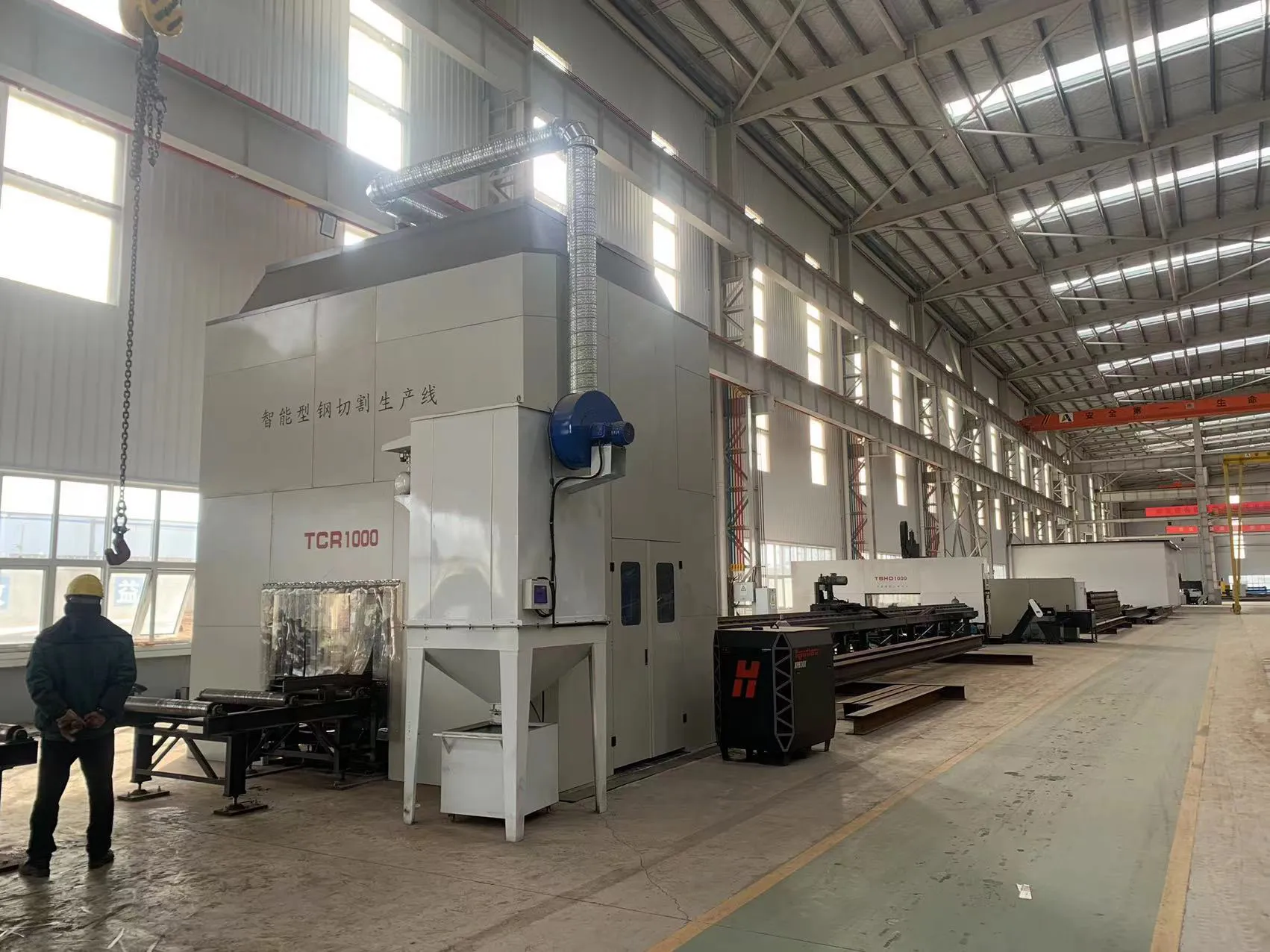 laser cutting machine for Sheet Metal” style=”width: 100%; max-width: 800px; height: auto; margin: 20px 0;”>
Technical Advantages of the 6kW Power Rating
The Efficiency of 6000 Watts
In the realm of laser cutting, power is not merely about the ability to cut thicker materials; it is about the speed at which those materials can be processed. A 6kW fiber laser utilizes a 1.06-micron wavelength, which is absorbed much more efficiently by carbon steel than the 10.6-micron wavelength of traditional CO2 lasers. This efficiency allows for a concentrated energy density that vaporizes metal almost instantly.
When processing carbon steel, a 6kW source provides a significant advantage in piercing times. In thick-plate applications (12mm to 25mm), the “burst” or “stage” piercing sequences are drastically shortened, reducing the overall cycle time per part. For thinner gauges (1mm to 6mm), the 6kW laser can reach speeds that exceed the mechanical acceleration limits of many older gantries, making high-dynamic machine frames a necessity for this power level.
Edge Quality and Heat Affected Zone (HAZ)
One of the primary engineering concerns when laser cutting carbon steel is the Heat Affected Zone (HAZ). Excessive heat can alter the metallurgy of the edge, making it brittle or difficult to weld in subsequent processes. The 6kW laser minimizes this by moving through the material at higher velocities. By reducing the dwell time of the beam on any single point, the thermal conduction into the surrounding material is limited, resulting in a narrower HAZ and superior edge perpendicularity.
Processing Carbon Steel: Metallurgical Considerations
Material Grades: A36, 1018, and Beyond
In the Tijuana manufacturing sector, A36 is the most frequently encountered grade of carbon steel. Its versatility makes it ideal for structural components, but its varying silicon and manganese content can sometimes affect laser cutting consistency. A 6kW system provides the “brute force” necessary to overcome minor impurities in lower-grade steels that might cause a 2kW or 3kW system to stutter or fail to maintain a self-sustaining exothermic reaction.
For high-strength low-alloy (HSLA) steels, the 6kW laser’s ability to maintain a stable kerf width is essential. Engineering specifications often require precise hole diameters for bolting; the 6kW laser can typically achieve a 1:1 ratio (hole diameter to plate thickness) with high repeatability, which is a standard requirement for aerospace and automotive sub-assemblies produced in the region.
The Role of Assist Gases
Laser cutting carbon steel involves a critical choice between Oxygen (O2) and Nitrogen (N2).
- Oxygen Cutting: This is the standard for carbon steel. The oxygen acts as a chemical reactant, creating an exothermic reaction that adds energy to the cutting process. With 6kW of power, oxygen allows for the clean cutting of 25mm carbon steel with a smooth, albeit oxidized, finish.
- Nitrogen/High-Pressure Air Cutting: While traditionally reserved for stainless steel, 6kW systems are increasingly using Nitrogen or compressed air to cut thin-gauge carbon steel. This results in an oxide-free edge, which is vital for parts that require immediate powder coating or painting without the need for secondary de-scaling.
Operational Logistics in the Tijuana Region
Power Stability and Infrastructure
Operating a 6kW fiber laser in Tijuana requires careful attention to electrical infrastructure. While the city has robust industrial zones, voltage fluctuations can be detrimental to the sensitive diodes within a fiber laser source. Engineering teams must ensure that the machine is installed with a high-capacity industrial voltage stabilizer and an isolation transformer. The 6kW source, while more energy-efficient than CO2, still draws significant amperage during peak piercing cycles, and a stable 480V or 220V three-phase supply is non-negotiable for maintaining beam consistency.
Environmental Control: Humidity and Dust
Tijuana’s climate, characterized by its proximity to the Pacific Ocean and occasional high dust levels from unpaved areas surrounding industrial parks, presents challenges for laser cutting optics. Even though fiber lasers have a “sealed” beam path, the external cutting head and the protective window (cover glass) are susceptible to contamination. A 6kW beam will instantly shatter a cover glass if a single speck of dust is present, as the dust particle will absorb the laser energy and thermally shock the glass. Cleanroom-standard procedures for lens replacement are mandatory in this environment.
Maintenance Protocols for High-Power Systems
Nozzle and Sensor Calibration
At 6kW, the distance between the nozzle and the workpiece (the “standoff distance”) is critical. Most modern laser cutting machines used in Tijuana utilize automated capacitive height sensing. However, the high temperatures generated when cutting thick carbon steel can cause “slag splash,” which may coat the nozzle. Regular inspection and the use of anti-splatter compounds are necessary to ensure the sensor maintains a constant focal point. For carbon steel, even a 0.2mm deviation in focal height can result in excessive dross (burr) on the bottom of the cut.
Chiller Performance
The fiber laser source and the cutting head must be kept within a very narrow temperature range. A 6kW system generates substantial heat that must be dissipated by a dual-circuit industrial chiller. In the warmer months in Tijuana, the chiller’s ability to maintain the coolant at roughly 22-25°C is vital. If the coolant temperature rises, the laser’s wavelength can shift slightly, leading to “mode changes” that degrade the cut quality on thick carbon steel plates.
Cost-Benefit Analysis for Tijuana Fabricators
Throughput vs. Operating Cost
The primary justification for a 6kW laser over a 3kW or 4kW model is the reduction in cost-per-part. In a high-labor-cost environment (relative to other parts of Mexico, though competitive with the US), maximizing the output per shift is the key to profitability. A 6kW laser cutting 6mm carbon steel can operate at speeds nearly double that of a 3kW machine. This allows a single operator to produce twice the volume, effectively halving the labor overhead per component.
Supply Chain Integration
Being located in Tijuana provides a unique advantage for sourcing carbon steel. Fabricators can choose between Mexican-produced steel (such as Ternium) or US-sourced A36 plate. The 6kW laser’s versatility allows it to handle the slight variations in surface scale between these different suppliers. Furthermore, the ability to provide “Just-In-Time” (JIT) laser cutting services to San Diego-based companies allows Tijuana shops to command a premium for their speed and proximity.
Safety Standards and Engineering Compliance
Class 4 Laser Safety
A 6kW fiber laser is a Class 4 laser system. The beam is invisible and can cause permanent blindness or skin burns from reflections off the carbon steel surface. In the Maquiladora environment, compliance with STPS (Secretaría del Trabajo y Previsión Social) and international ANSI Z136.1 standards is required. This includes the use of fully enclosed cabins with laser-safe viewing windows and interlocked door systems that kill the beam if the enclosure is breached.
Fume Extraction and Air Quality
Laser cutting carbon steel produces significant amounts of iron oxide dust and fumes. A 6kW system cuts faster and therefore generates more particulate matter per minute than lower-powered machines. High-volume dust collectors with HEPA filtration are essential, not only for worker safety but also to prevent the accumulation of conductive dust on the machine’s electronic components, which can lead to short circuits in the high-voltage cabinets.
Conclusion: The Future of Fabrication in Baja California
The adoption of 6kW fiber laser cutting technology is no longer an option but a necessity for Tijuana-based manufacturers aiming to remain competitive in the North American supply chain. The ability to process carbon steel with extreme precision, minimal heat distortion, and high velocity provides the technical foundation for complex assemblies in the medical, aerospace, and electronics industries.
As the “Nearshoring” trend continues to bring more manufacturing back to the North American continent, the demand for high-power laser cutting services in Tijuana will only grow. By mastering the technical requirements of 6kW systems—from gas dynamics and metallurgical management to local infrastructure stabilization—engineering firms in the region can ensure they provide the highest quality components to an increasingly demanding global market.













