Precision Engineering: The 2kW Fiber laser cutting Machine for Galvanized Steel
The industrial landscape of Puebla, Mexico, has undergone a significant transformation over the last decade. As a primary hub for the automotive and heavy manufacturing sectors, the demand for high-precision metal fabrication has never been higher. At the center of this technological shift is the 2kW fiber laser cutting machine. This specific power rating has emerged as the “gold standard” for small to medium-sized enterprises (SMEs) and Tier 2 automotive suppliers who require a balance between speed, precision, and operational cost, particularly when processing galvanized steel.
Galvanized steel, characterized by its protective zinc coating, presents unique challenges during the thermal cutting process. However, the 1.06-micron wavelength of a fiber laser is ideally suited for the absorption characteristics of both the zinc layer and the underlying carbon steel. In the context of Puebla’s competitive manufacturing environment, adopting 2kW fiber technology is no longer just an upgrade—it is a strategic necessity for maintaining metallurgical integrity and meeting tight production deadlines.
The Technical Advantage of 2kW Fiber Technology
A 2kW fiber laser cutting machine utilizes a solid-state laser source where the “gain medium” is an optical fiber doped with rare-earth elements, typically ytterbium. Unlike traditional CO2 lasers that rely on gas mixtures and complex mirror alignments, the fiber laser delivers the beam through a flexible transport fiber directly to the cutting head. This results in a beam quality that is significantly more stable and a focal spot size that is remarkably small.
For engineers in Puebla’s industrial parks, such as FINSA or the Chachapa Industrial Park, the 2kW threshold offers a specific advantage: it provides enough power to maintain high feed rates on 1mm to 5mm galvanized sheets—the most common thicknesses for automotive brackets, HVAC ducting, and electrical enclosures—while consuming significantly less electricity than higher-wattage alternatives. The wall-plug efficiency of a 2kW fiber system is approximately 30-35%, compared to the 8-10% seen in older CO2 technology.

Processing Galvanized Steel: Overcoming the Zinc Barrier
Galvanized steel is widely used in the Puebla region due to its corrosion resistance, which is essential for components exposed to the elements or harsh industrial environments. However, the zinc coating has a much lower melting point (approximately 419°C) and boiling point (907°C) than the base steel (approximately 1,500°C). During the laser cutting process, the zinc vaporizes before the steel melts, which can lead to several technical issues if not managed correctly.
The primary challenge is the “explosion” of zinc vapor, which can interfere with the laser beam’s stability and cause slag or dross to adhere to the bottom of the cut. A 2kW fiber laser overcomes this by providing high power density. When paired with high-pressure nitrogen as an assist gas, the laser cutting process effectively “blows away” the vaporized zinc and molten steel before they can react, resulting in a clean, silver-colored edge that requires no secondary finishing. This is critical for Puebla’s automotive suppliers who must adhere to strict ISO standards regarding edge quality and paint adhesion.
Optimizing Parameters for the Puebla Manufacturing Sector
In the high-altitude environment of Puebla (approximately 2,135 meters above sea level), atmospheric pressure and humidity can subtly influence the performance of pneumatic systems and cooling units. When setting up a 2kW fiber laser cutting machine for galvanized steel, several parameters must be meticulously calibrated:
- Assist Gas Selection: While oxygen can be used for faster speeds on thicker plate, nitrogen is the preferred choice for galvanized steel. Nitrogen prevents oxidation of the cut edge, ensuring the zinc coating remains intact as close to the cut as possible, preserving the material’s anti-corrosive properties.
- Nozzle Geometry: A double-layer nozzle is often recommended for 2kW systems. This design helps stabilize the gas flow, which is essential when dealing with the turbulent vapors produced by the zinc coating.
- Focal Position: For galvanized sheets, the focus is typically set slightly below the material surface. This ensures that the energy is concentrated enough to penetrate the coating and the steel simultaneously, minimizing the Heat Affected Zone (HAZ).
Economic Impact on Local Workshops
For a fabrication shop in Puebla, the return on investment (ROI) for a 2kW fiber laser cutting machine is driven by two main factors: throughput and maintenance. Because fiber lasers have no moving parts in the resonator and no mirrors to align, the “uptime” is significantly higher than older technologies. In a region where labor costs are rising and the demand for “just-in-time” (JIT) delivery is standard, the ability to run a machine for three shifts with minimal intervention is a massive competitive advantage.
Integration with Industry 4.0 in Puebla
Puebla is increasingly becoming a center for smart manufacturing. Modern 2kW fiber laser cutting machines are now equipped with CNC controllers that support IoT integration. This allows plant managers to monitor gas consumption, cutting hours, and power usage in real-time from a remote location. For companies supplying parts to the Volkswagen de México plant, this level of data transparency is vital for quality control and supply chain integration.
Furthermore, the software used in these machines—such as CypCut or similar professional nesting platforms—allows for maximum material utilization. Given the fluctuating prices of galvanized steel in the global market, reducing scrap by even 5% through efficient nesting can result in thousands of dollars in annual savings for a local manufacturer.
Maintenance Best Practices for Long-Term Reliability
To ensure a 2kW fiber laser cutting machine maintains its precision over years of service in an industrial environment like Puebla, a rigorous maintenance schedule is required. The high dust levels associated with metal fabrication can be detrimental to optical components.
Key Maintenance Focus Areas:
1. Chiller Units: The laser source and the cutting head generate heat that must be dissipated. In Puebla’s climate, ensuring the water chiller is filled with deionized water and that the filters are cleaned weekly is essential to prevent thermal drift, which can cause the laser cutting quality to degrade over a shift.
2. Protective Windows: The protective lens is the most “at-risk” component when cutting galvanized steel. Zinc splatter can easily damage the lens. Operators should inspect the protective window every 4-8 hours and clean it in a clean-room environment using high-purity isopropyl alcohol.
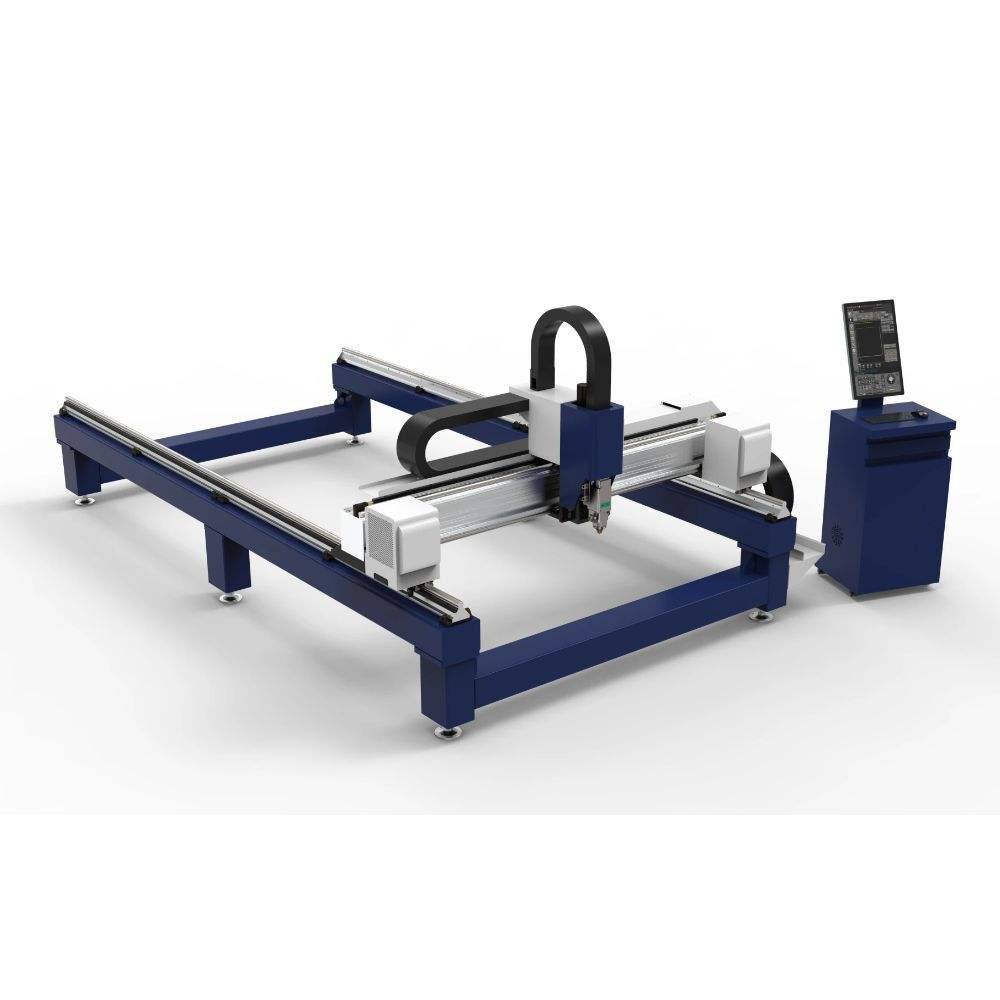
3. Rack and Pinion Lubrication: The precision of a 2kW machine depends on the mechanical movement of the gantry. Automatic lubrication systems should be checked daily to ensure the X and Y axes move without friction, especially when executing high-speed cuts on thin-gauge galvanized sheets.
The Future of Fiber Laser Cutting in the Region
As the automotive industry shifts toward electric vehicles (EVs), the materials being processed are changing. EVs require lighter frames and specialized battery enclosures, often made from high-strength galvanized alloys. The versatility of the 2kW fiber laser cutting machine ensures that Puebla’s manufacturers are well-positioned to handle these new materials. The 2kW power level is particularly effective because it offers the “beam brightness” necessary to cut through reflective coatings without the back-reflection issues that plagued earlier laser generations.
Conclusion
The 2kW fiber laser cutting machine represents the perfect intersection of power, precision, and practicality for the Puebla manufacturing sector. By specifically addressing the metallurgical challenges of galvanized steel, this technology allows local shops to produce components that meet international quality standards while maintaining high profitability. Whether it is for the massive automotive assembly lines or the specialized aerospace projects emerging in Central Mexico, the fiber laser has proven itself to be the backbone of modern industrial fabrication. Investing in this technology is not just about cutting metal; it is about cutting a path toward a more efficient and technologically advanced future for Puebla’s economy.













