Mastering the 2kW Tube laser cutter for Galvanized Steel in Toluca
The industrial landscape of Toluca, State of Mexico, has undergone a significant transformation over the last decade. As one of Mexico’s primary automotive and manufacturing hubs, the demand for precision-engineered components has skyrocketed. Central to this evolution is the 2kW tube laser cutter, a machine that offers the perfect balance of power, precision, and cost-effectiveness for processing galvanized steel. This guide explores the technical intricacies of using a 2kW fiber laser source to process galvanized tubing, specifically tailored for the environmental and industrial conditions found in the Toluca-Lerma corridor.
laser cutting technology has evolved from a high-cost luxury to an essential utility for metal fabricators. For workshops in Toluca, where Tier 2 and Tier 3 automotive suppliers operate under tight tolerances and high-volume requirements, understanding the synergy between the 2kW power rating and the unique properties of galvanized steel is critical for maintaining a competitive edge.
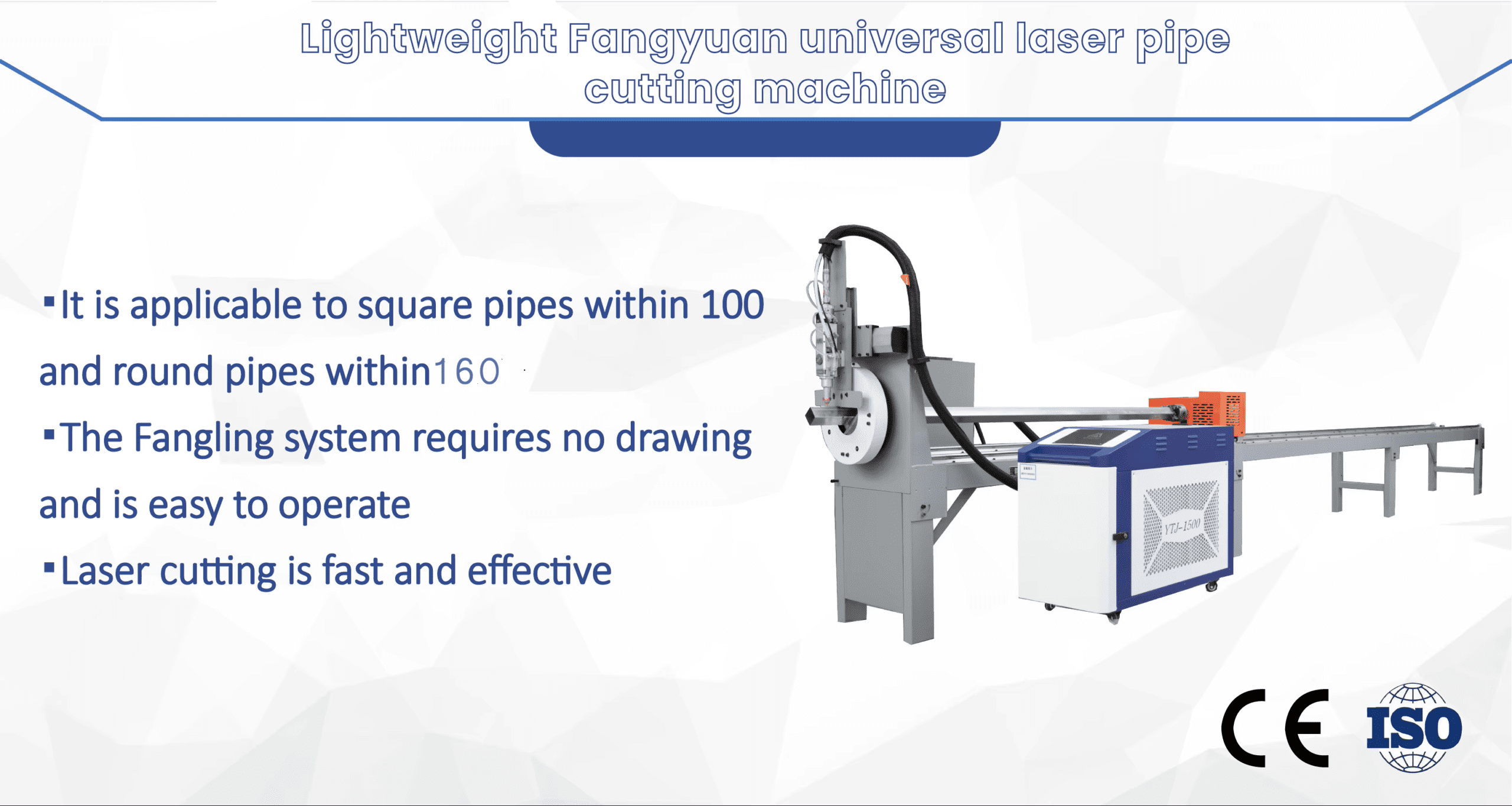
The Technical Advantage of 2kW Fiber Laser Technology
A 2kW fiber laser represents a “sweet spot” in the metal fabrication industry. While higher wattage machines exist, the 2kW system provides sufficient energy density to vaporize galvanized steel efficiently without the excessive operating costs associated with 6kW or 10kW units. Fiber laser technology utilizes a solid-state gain medium, which is significantly more efficient than older CO2 systems. When laser cutting galvanized tubes, the fiber laser’s wavelength (typically around 1.06 microns) is absorbed more readily by the metal, leading to faster processing speeds and a smaller heat-affected zone (HAZ).
In the context of tube processing, the 2kW source allows for the clean cutting of wall thicknesses ranging from 1mm to 6mm for carbon steel, and up to 4mm or 5mm for galvanized variants. This range covers the vast majority of applications in furniture manufacturing, automotive racking, and structural frameworks commonly produced in the Toluca industrial parks.
Overcoming the Challenges of Galvanized Coatings
Galvanized steel presents a unique set of challenges for laser cutting. The material consists of a carbon steel core coated with a layer of zinc to prevent corrosion. Zinc has a much lower melting point (approx. 419°C) and boiling point (approx. 907°C) than the underlying steel (approx. 1500°C). This disparity causes the zinc to vaporize violently during the laser cutting process.
This vaporization can lead to several issues:
- Internal Splatter: As the zinc boils, it can spray back toward the laser nozzle or coat the interior of the tube, requiring secondary cleaning.
- Porosity in Welds: If the laser-cut edge is intended for subsequent welding, residual zinc can lead to porosity in the weld bead.
- Beam Interference: The cloud of zinc vapor can interfere with the laser beam’s focus, leading to inconsistent cut quality.
To mitigate these issues, 2kW systems in Toluca utilize high-pressure assist gases and specialized nozzle designs. By optimizing the focal point slightly deeper into the material, the 2kW beam can maintain a stable keyhole, ensuring the zinc vapor is blown out of the kerf before it can interfere with the process.
Toluca’s Industrial Context: Why Tube Laser Cutting is Essential
Toluca is situated at an altitude of approximately 2,660 meters above sea level. While altitude primarily affects internal combustion engines, the atmospheric pressure and air density also play a minor role in the cooling systems and gas dynamics of laser cutting machinery. A 2kW tube laser cutter installed in Toluca must be calibrated to handle these local conditions, particularly regarding the moisture content in compressed air lines, which can be higher in the temperate, sub-humid climate of the State of Mexico.
The local industry focuses heavily on the automotive sector (OEMs like Nissan, Stellantis, and GM are nearby). These manufacturers demand components that are not only precise but also resistant to the elements. Galvanized steel is the material of choice for underbody components and structural supports. The ability to perform high-speed laser cutting on square, rectangular, and oval galvanized tubes allows Toluca-based shops to meet “Just-In-Time” (JIT) delivery schedules while maintaining the strict ISO standards required by the automotive supply chain.

Optimizing Parameters for High-Quality Output
Achieving a burr-free finish on galvanized steel with a 2kW laser requires a deep understanding of parameter tuning. The three primary variables are power, speed, and assist gas pressure.
1. Assist Gas Selection: For galvanized steel, Nitrogen is the preferred assist gas. Nitrogen acts as a cooling agent and mechanical force to eject molten metal without causing oxidation. This leaves a shiny, weld-ready edge. While Oxygen can be used to increase cutting speed on thicker sections, it often reacts with the zinc, creating a heavy oxide layer that is difficult to clean.
2. Frequency and Duty Cycle: When laser cutting intricate patterns or small holes in galvanized tubes, pulsing the laser (rather than using a continuous wave) can prevent the material from overheating. In Toluca’s manufacturing environment, where throughput is key, finding the highest possible frequency that still maintains cut integrity is the goal of every CNC operator.
3. Nozzle Standoff Distance: Keeping a consistent distance between the nozzle and the galvanized surface is vital. Because galvanized coatings can sometimes be uneven, the capacitive height sensing of a modern 2kW tube laser cutter must be highly responsive to prevent “diving” or collisions, which are common when processing lower-quality galvanized stock.
Maintenance and Environmental Considerations in the State of Mexico
Operating a 2kW tube laser cutter in Toluca requires a proactive maintenance strategy. The industrial dust prevalent in areas like San Mateo Atenco or the Lerma industrial zone can infiltrate sensitive optical components. Fiber lasers are generally low-maintenance compared to CO2 lasers, but the external optics (the protective window) must be inspected daily.
Furthermore, the vaporization of zinc produces hazardous fumes. An effective dust extraction and filtration system is non-negotiable. In compliance with Mexican environmental regulations (NOMs), shops must ensure that zinc oxide particles are captured before the air is exhausted. High-quality filters also protect the machine’s mechanical components—such as the chucks and lead screws—from the abrasive nature of metal dust.
The Economic Impact: ROI for Toluca Fabricators
The investment in a 2kW tube laser cutter is often justified within 18 to 24 months for a busy shop in Toluca. Traditional methods of processing galvanized tube—such as sawing, drilling, and milling—are labor-intensive and require multiple setups. A laser cutting machine combines all these processes into a single operation.
By eliminating the need for hard tooling and reducing the “scrap” rate associated with manual measurement errors, fabricators can offer more competitive pricing to their clients. In the competitive landscape of the State of Mexico, where price-per-part is a deciding factor in contract awards, the efficiency of the 2kW fiber laser is a formidable tool. The ability to cut complex “tab and slot” designs also simplifies the subsequent assembly and welding phases, further reducing total production costs.
Future-Proofing Your Production Line
As the “nearshoring” trend continues to bring more manufacturing from Asia to North America, Toluca is perfectly positioned to capture this growth. Investing in a 2kW tube laser cutter is not just about meeting today’s demand; it is about future-proofing. Modern machines often come with Industry 4.0 capabilities, allowing for remote monitoring and integration with ERP systems common in large-scale Mexican manufacturing plants.
For galvanized steel applications, the 2kW power level remains the most versatile choice. It provides enough “punch” to handle standard structural thicknesses while remaining delicate enough for thin-walled decorative or light-industrial tubing. As material science improves and galvanized coatings become more sophisticated (such as Galvalume or Zinc-Alume), the programmable nature of the fiber laser ensures that operators can adapt their processes without needing to replace the entire machine.
Conclusion
Mastering the use of a 2kW tube laser cutter for galvanized steel involves a combination of technical knowledge, environmental adaptation, and strategic maintenance. For manufacturers in Toluca, this technology represents a gateway to higher-tier industrial contracts and improved operational efficiency. By focusing on the nuances of zinc vaporization, optimizing assist gas usage, and maintaining the equipment against the local industrial climate, fabricators can ensure high-quality laser cutting results that meet the rigorous demands of the modern global market. Whether you are producing automotive components, construction scaffolding, or industrial furniture, the 2kW fiber laser is the engine of modern Mexican manufacturing.













