Introduction to 6kW laser cutting in Tijuana’s Industrial Sector
The industrial landscape of Tijuana, Mexico, has evolved into a global powerhouse for high-precision manufacturing. As a primary hub for the aerospace, medical device, and automotive industries, the demand for advanced material processing has never been higher. Among the various technologies driving this growth, 6kW fiber laser cutting stands out as the gold standard for processing aluminum alloys. This power level provides the ideal balance between capital investment and high-speed production capacity, allowing maquiladoras and local fabricators to meet the stringent tolerances required by international partners.
Aluminum alloys, known for their high strength-to-weight ratio and corrosion resistance, present unique challenges during thermal processing. The 6kW fiber laser addresses these challenges by utilizing a concentrated beam of high-energy density that can overcome the material’s natural reflectivity and thermal conductivity. In Tijuana’s competitive manufacturing environment, the ability to produce clean, burr-free edges on aluminum components is a significant competitive advantage.
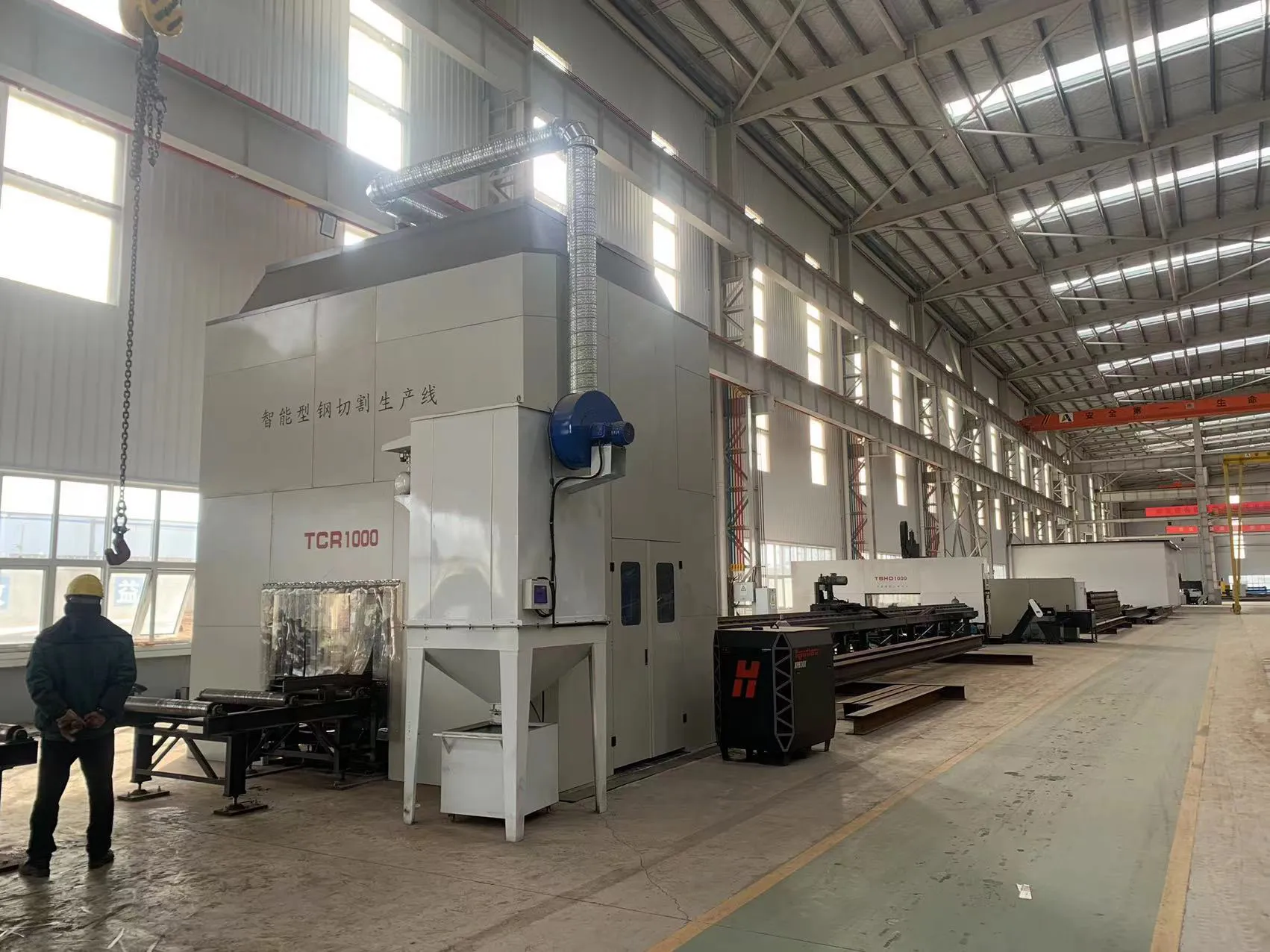 laser cutting machine for Sheet Metal”>
The Technical Advantages of 6kW Power for Aluminum Alloys
High-Speed Processing and Productivity
In the realm of laser cutting, power directly correlates with feed rate. A 6kW system allows for significantly higher cutting speeds on medium-thickness aluminum (ranging from 3mm to 10mm) compared to lower-wattage alternatives. For instance, while a 3kW machine might struggle with 6mm aluminum, a 6kW source can glide through the material at speeds that minimize the Heat Affected Zone (HAZ). This speed is crucial for Tijuana-based manufacturers who operate on high-volume contracts where cycle time reductions of even a few seconds per part can lead to massive cost savings over a production run.
Overcoming Material Reflectivity
Aluminum is notoriously reflective, which historically posed a risk to CO2 laser systems due to back-reflection damaging the resonator. Modern 6kW fiber lasers operate at a wavelength of approximately 1.07 microns, which is much more readily absorbed by non-ferrous metals. The high power density of a 6kW beam ensures that the material reaches its melting point almost instantaneously, establishing a stable keyhole and significantly reducing the window of time where back-reflection can occur. This makes the laser cutting of 5052, 6061, and 7075 series aluminum safer and more reliable.
Optimizing Aluminum Alloy Grades for Laser Cutting
Processing 5000 Series Aluminum
The 5000 series (primarily 5052 and 5083) is widely used in Tijuana for marine and automotive applications due to its excellent weldability and corrosion resistance. When using a 6kW laser cutting system, these alloys exhibit excellent edge quality. Because they contain magnesium as the primary alloying element, they tend to produce a very stable melt pool. Engineers should focus on optimizing nozzle standoff distance to ensure that the assist gas effectively clears the molten magnesium-aluminum mixture, preventing dross buildup on the underside of the sheet.
Challenges with 6000 and 7000 Series
6061-T6 is a staple in the aerospace sector surrounding the Tijuana-San Diego border. However, its silicon and magnesium content makes it slightly more prone to dross than the 5000 series. A 6kW laser provides the necessary energy to maintain a fluid melt, but precise focal point adjustment is required. The 7000 series, often used in high-stress structural components, contains zinc, which can create a more volatile cutting environment. The 6kW power source provides the “brute force” necessary to maintain a consistent kerf width even in these harder, more complex alloys.

Critical Operational Parameters for 6kW Systems
Assist Gas Selection: Nitrogen vs. Oxygen
For high-quality laser cutting of aluminum, Nitrogen is the preferred assist gas. Operating at high pressures (typically 16 to 20 bar), Nitrogen acts as a mechanical force to eject molten metal from the kerf without causing oxidation. This results in a bright, clean edge that is ready for immediate welding or painting. While Oxygen can be used for thicker aluminum plates to take advantage of the exothermic reaction, it often results in a heavily oxidized, rough surface that requires secondary finishing—a step most Tijuana manufacturers aim to avoid to maintain lean production standards.
Focal Point Optimization
With 6kW of power, the focal point position is a critical variable. For aluminum, the focus is generally set “negative” or deep within the material (or even near the bottom of the plate). This creates a wider kerf at the bottom, which facilitates the easy exit of molten material. In a 6kW setup, the depth of field is relatively generous, but fine-tuning the focus based on the specific alloy and thickness is essential to achieving a square edge and minimizing the “taper” effect common in thicker non-ferrous sections.
The Tijuana Manufacturing Context: Local Considerations
Power Stability and Infrastructure
Operating a 6kW fiber laser requires a stable and robust electrical infrastructure. In certain industrial zones of Tijuana, voltage fluctuations can occur. It is highly recommended that facilities install high-capacity voltage stabilizers and industrial-grade chillers. The chiller is particularly important because a 6kW laser source generates significant heat; maintaining the laser source and the cutting head at a constant temperature is vital for beam stability and component longevity.
Supply Chain and Gas Logistics
The proximity to the United States allows Tijuana manufacturers to source high-purity Nitrogen efficiently. However, the high flow rates required for 6kW laser cutting mean that bulk liquid nitrogen tanks are often more cost-effective than individual cylinders. Establishing a reliable supply chain for high-purity gases is a prerequisite for maintaining the 24/7 operation cycles common in the region’s maquiladoras.
Maintenance Protocols for 6kW Fiber Lasers
Optical Component Care
The cutting head of a 6kW laser is a masterpiece of engineering, containing sensitive protective windows and focusing lenses. In the dusty environment of a busy fabrication shop, ensuring the integrity of these optics is paramount. Even a microscopic speck of dust on the protective window can absorb 6kW of energy, leading to “thermal lens” effects or catastrophic failure of the optic. Daily inspections and cleaning in a controlled environment are non-negotiable for maintaining laser cutting precision.
Chiller and Filter Maintenance
The cooling system is the heart of the 6kW laser. Aluminum laser cutting produces fine metallic dust that can be abrasive. High-quality dust extraction systems must be synchronized with the cutting process. Furthermore, the chiller’s water quality must be monitored weekly to prevent Algae growth or mineral buildup, which could impede the cooling of the fiber source and the cutting head, leading to power fluctuations and decreased cut quality.
Economic Impact and ROI for Tijuana Fabricators
Reducing Secondary Operations
The primary economic driver for adopting 6kW laser cutting technology in Tijuana is the elimination of secondary processes. Older plasma cutting or lower-power laser systems often leave dross that requires manual grinding. The 6kW fiber laser, when tuned correctly for aluminum, produces a “drop-in” part. For a facility producing thousands of brackets or panels for the medical industry, the labor savings alone can justify the equipment’s cost within 18 to 24 months.
Nesting and Material Utilization
Advanced nesting software, combined with the narrow kerf of a 6kW laser, allows for maximum material utilization. Aluminum is a relatively expensive commodity; reducing scrap by even 5% through tighter nesting can result in significant monthly savings. The precision of the 6kW beam allows for “common line cutting,” where two parts share a single cut path, further increasing speed and reducing gas consumption.
Conclusion: The Future of Aluminum Fabrication in Tijuana
As Tijuana continues to solidify its position as a premier manufacturing destination, the role of high-power laser cutting cannot be overstated. The 6kW fiber laser provides the versatility, speed, and precision necessary to handle the diverse range of aluminum alloys used in modern engineering. By understanding the technical nuances of beam interaction, gas dynamics, and local infrastructure challenges, manufacturers in the region can leverage this technology to deliver world-class components to the global market.
Investing in 6kW technology is not just about power; it is about the capability to meet the future head-on. Whether it is lightweight components for electric vehicles or precision chassis for medical imaging equipment, the 6kW fiber laser is the tool that will continue to drive Tijuana’s industrial excellence for years to come.













