Introduction to 1.5kW Fiber laser cutting Technology
The advent of fiber laser technology has fundamentally altered the landscape of precision metal fabrication. Within the spectrum of available power outputs, the 1.5kW fiber laser cutting machine represents a critical equilibrium between capital investment and operational capability. For industrial sectors in Leon, particularly those involved in intricate metalwork and specialized manufacturing, this power level offers the requisite energy density to process non-ferrous metals with high efficiency. Fiber lasers operate at a wavelength of approximately 1.064 microns, which is significantly better absorbed by metals compared to the 10.6 microns of traditional CO2 lasers. This characteristic is especially vital when dealing with materials like brass, which are notorious for their high thermal conductivity and optical reflectivity.
In the context of modern engineering, laser cutting is no longer merely an alternative to mechanical shearing or plasma cutting; it is the primary standard for achieving tight tolerances and complex geometries. A 1.5kW system provides sufficient “punch” to penetrate medium-gauge materials while maintaining a small heat-affected zone (HAZ), ensuring that the structural integrity and aesthetic quality of the workpiece remain uncompromised.
The Industrial Landscape of Leon and Metal Fabrication
Leon has established itself as a pivotal hub for industrial excellence, ranging from automotive supply chains to specialized hardware manufacturing. The demand for high-precision components in this region has driven a rapid adoption of advanced CNC machinery. Specifically, the processing of brass—a material prized for its corrosion resistance, conductivity, and decorative appeal—requires a nuanced approach that only fiber laser cutting can provide. Local manufacturers in Leon are increasingly transitioning from traditional machining to fiber systems to meet the rigorous standards of international export markets.
The integration of a 1.5kW fiber laser into a Leon-based workshop allows for a diverse production portfolio. Whether it is for electrical connectors, decorative architectural elements, or precision automotive shims, the versatility of the 1.5kW power source ensures that the facility can handle both thin-gauge high-speed runs and thicker, more deliberate cuts. This adaptability is key to maintaining a competitive edge in the bustling industrial parks of the region.

Technical Specifications of the 1.5kW Fiber Laser System
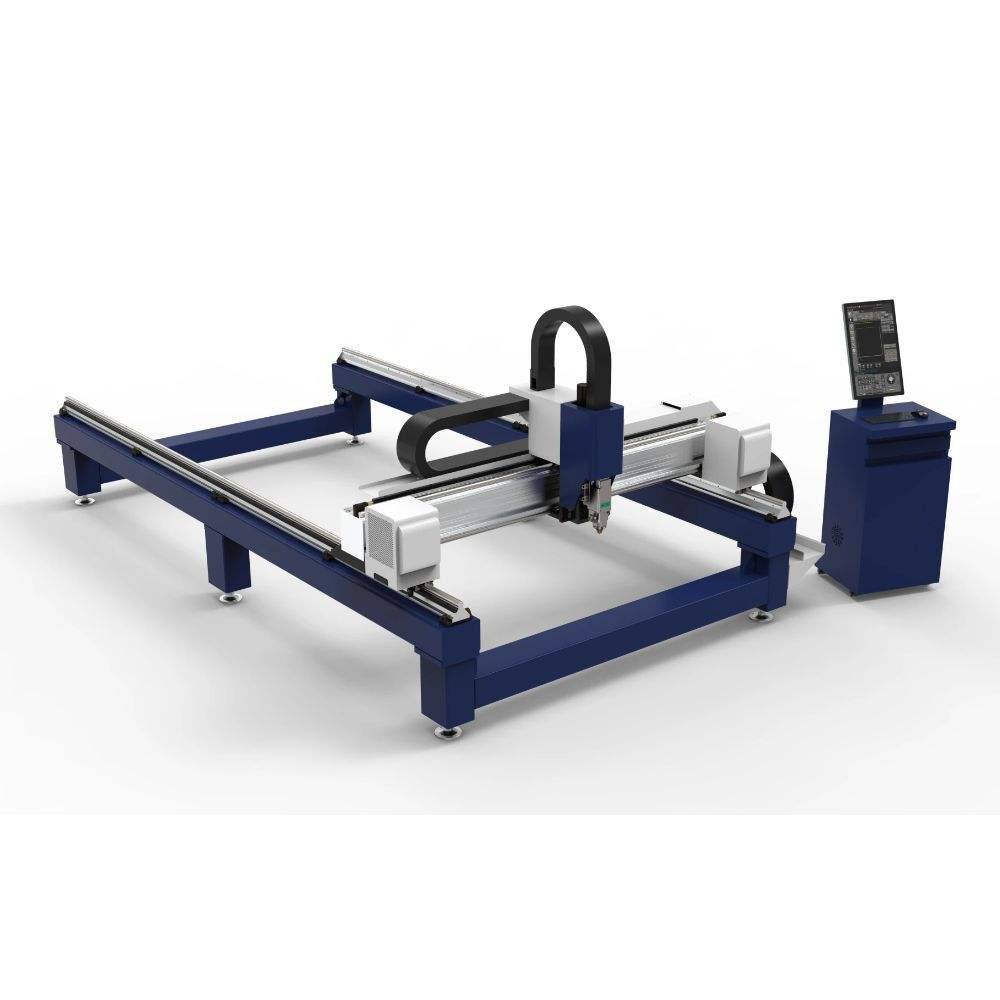
A 1.5kW fiber laser cutting machine is characterized by its solid-state laser source, where the laser beam is generated within an optical fiber doped with rare-earth elements such as ytterbium. This beam is then delivered via a flexible fiber optic cable to the cutting head, eliminating the need for complex mirrors and bellows systems found in older laser types. For a 1.5kW system, the beam quality (M2 factor) is typically very high, allowing the laser to be focused into an incredibly small spot size. This high energy concentration is what enables the machine to vaporize metal almost instantaneously.
Key technical components include the CNC controller, which translates CAD/CAM designs into precise motor movements, and the cooling system (chiller), which is vital for maintaining the stability of the laser source and the cutting head. In the high-performance environments of Leon, these machines are often equipped with high-speed servo motors and precision linear guides to ensure that the mechanical accuracy matches the optical precision of the laser beam.
The Challenges and Solutions for Laser Cutting Brass
Brass is an alloy of copper and zinc, and its physical properties present unique challenges for laser cutting. Primarily, brass is highly reflective in its solid state, particularly to the infrared spectrum used by fiber lasers. Without proper safeguards, the “back-reflection” of the laser beam can travel back through the delivery fiber and damage the laser source. However, modern 1.5kW fiber lasers are equipped with advanced optical isolators and back-reflection protection systems that safely dissipate this reflected energy.
Furthermore, the high thermal conductivity of brass means that heat is rapidly dissipated away from the cut zone. To counteract this, a 1.5kW laser must maintain a high power density to ensure the material reaches its melting point faster than the heat can conduct away. This is why fiber lasers are superior to CO2 lasers for brass; the higher absorption rate at the 1.064-micron wavelength allows for a more efficient energy transfer, resulting in faster cutting speeds and cleaner edges.
Optimizing Parameters for Brass Fabrication
Achieving a high-quality cut in brass requires meticulous calibration of several parameters. For a 1.5kW system, the typical thickness range for brass is between 0.5mm and 5mm, though the “sweet spot” for maximum edge quality is usually under 3mm. The focal position is perhaps the most critical variable; for brass, the focus is often set slightly below the surface of the material to ensure that the energy is distributed through the kerf, helping to eject the molten metal effectively.
Cutting speed must also be carefully managed. If the speed is too slow, the excessive heat input can lead to “self-burning” or a wide kerf with significant dross (slag) on the underside. Conversely, if the speed is too high, the laser will fail to penetrate the material fully, leading to a failed cut and potential nozzle damage. Engineers in Leon typically perform “step tests” to find the optimal balance between speed and power for each specific brass alloy grade.
Assist Gas Selection and Pressure Dynamics
In laser cutting, the assist gas plays a dual role: it helps blow the molten material out of the kerf and protects the focusing lens from debris. For brass, the choice of assist gas is usually between Nitrogen and Oxygen. Nitrogen is the preferred choice for high-quality finishes because it acts as an inert shield, preventing oxidation of the cut edge. This results in a bright, clean edge that often requires no post-processing—a significant advantage for decorative brass components produced in Leon.
Oxygen, on the other hand, can be used to increase cutting speeds on thicker brass sections by creating an exothermic reaction that adds thermal energy to the process. However, this comes at the cost of an oxidized, darker edge. For most 1.5kW applications involving brass, high-pressure Nitrogen (typically between 12 and 20 bar) is utilized to ensure the highest possible precision and aesthetic quality. The nozzle diameter must also be matched to the gas pressure and material thickness to maintain a laminar flow of gas through the cut.
Maintenance Protocols for High-Reflectivity Materials
Operating a fiber laser cutting machine in an industrial setting like Leon requires a rigorous maintenance schedule to ensure longevity, especially when processing reflective materials like brass. The optical path must be kept pristine. Even a microscopic speck of dust on the protective window can absorb laser energy, heat up, and shatter the lens or compromise the beam quality. Daily inspections of the protective window and the nozzle condition are mandatory.
Additionally, the cooling system must be monitored closely. The chiller must maintain the laser source and cutting head within a very narrow temperature range (usually ±1°C). In the climate of Leon, ensuring the chiller is properly vented and the coolant is replaced according to the manufacturer’s specifications is vital for preventing thermal drift, which can cause the focal point to shift during long production runs. Regular calibration of the height sensor—the component that maintains a constant distance between the nozzle and the workpiece—is also essential for consistent results in brass cutting.
Economic Viability and ROI for Leon-Based Manufacturers
The investment in a 1.5kW fiber laser cutting machine is often justified by the dramatic reduction in per-part cost compared to traditional methods. For a manufacturing facility in Leon, the Return on Investment (ROI) is driven by three main factors: speed, precision, and material utilization. The high speed of fiber laser cutting reduces labor costs per unit, while the high precision eliminates the need for secondary finishing processes like grinding or deburring. Furthermore, the nesting software associated with CNC laser systems allows for maximum material yield, which is crucial given the relatively high cost of brass raw material.
Moreover, the low maintenance requirements of fiber lasers—boasting diode lifetimes of up to 100,000 hours—mean that operational downtime is minimized. For small-to-medium enterprises (SMEs) in Leon, this reliability translates to predictable production schedules and the ability to take on “just-in-time” contracts for larger automotive or aerospace clients. The 1.5kW power level is particularly attractive because it offers these professional-grade capabilities without the extreme utility requirements of higher-wattage machines.
Conclusion: The Future of Laser Fabrication in the Region
As the industrial sector in Leon continues to evolve toward “Industry 4.0” standards, the role of the 1.5kW fiber laser cutting machine will only become more prominent. The ability to process challenging materials like brass with extreme accuracy opens doors to new markets and more complex product designs. By understanding the technical nuances of laser cutting—from back-reflection management to assist gas optimization—engineers and business owners in Leon can leverage this technology to achieve unprecedented levels of productivity and quality.
In summary, the 1.5kW fiber laser is a versatile, efficient, and robust tool that addresses the specific needs of the brass fabrication industry. Its integration into the Leon manufacturing landscape signifies a commitment to precision engineering and technological advancement, ensuring that local industries remain at the forefront of the global manufacturing stage.













