The Evolution of Metal Fabrication: 6kW Tube laser cutting in Toluca
The industrial landscape of Toluca, State of Mexico, has long been a cornerstone of the nation’s manufacturing prowess. As the region continues to evolve into a global hub for automotive, aerospace, and heavy machinery production, the demand for high-precision components has skyrocketed. Central to this evolution is the implementation of the 6kW tube laser cutter, a machine that has redefined the boundaries of efficiency and accuracy in laser cutting. For engineers and facility managers in the Toluca-Lerma industrial corridor, transitioning to 6kW fiber technology represents a strategic shift toward high-speed production and superior edge quality, particularly when processing carbon steel.
Carbon steel remains the most widely utilized material in structural engineering and mechanical manufacturing due to its versatility and cost-effectiveness. However, traditional methods of processing tubes—such as mechanical sawing, drilling, and manual milling—often introduce thermal stress and dimensional inaccuracies. The 6kW fiber laser addresses these challenges by providing a concentrated energy source capable of vaporizing carbon steel with extreme precision, leaving behind a clean, burr-free finish that requires little to no secondary processing.
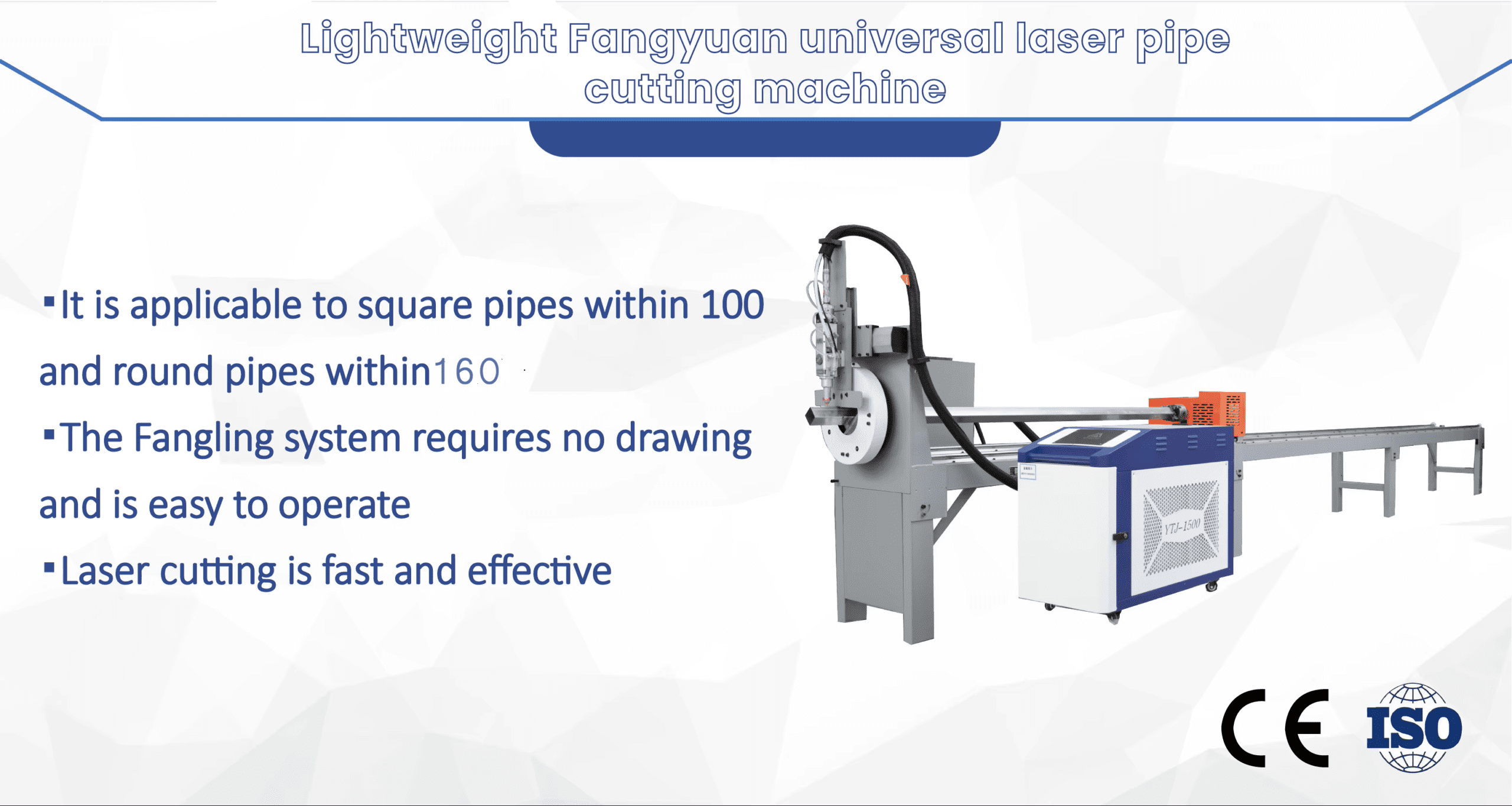 laser cutting machine” style=”max-width: 100%; height: auto; margin: 20px 0;”>
Technical Specifications and the 6kW Power Advantage
In the realm of laser cutting, power is directly correlated with throughput and maximum material thickness. A 6kW fiber laser source provides a significant advantage over lower-wattage systems (such as 2kW or 3kW) by allowing for faster feed rates on thin-walled tubing and the ability to penetrate thick-walled carbon steel profiles that were previously difficult to process efficiently.
Material Thickness and Capacity
A 6kW system is optimized for carbon steel tubes with wall thicknesses ranging from 1mm to over 20mm, depending on the specific alloy and the assist gas used. In Toluca’s heavy industrial sectors, where square, rectangular, and round structural tubing is common, the 6kW output ensures that the laser can maintain a stable “keyhole” during the cutting process. This stability is crucial for maintaining verticality in the cut edge and minimizing the heat-affected zone (HAZ), which can otherwise alter the mechanical properties of the steel.
Chuck Precision and Kinematics
Beyond the laser source, the mechanical architecture of the tube laser is vital. Most high-end 6kW machines feature automated pneumatic or hydraulic chucks that provide high clamping force without deforming thin-walled tubes. The synchronization between the chuck’s rotation and the cutting head’s longitudinal movement allows for complex geometries, including fish-mouth joints, miter cuts, and intricate slotting, all performed in a single setup. For Toluca-based manufacturers, this integration reduces the need for multiple workstations, thereby optimizing floor space and labor costs.
Optimizing Carbon Steel Processing in Toluca
Processing carbon steel in a high-altitude environment like Toluca (approximately 2,600 meters above sea level) requires specific engineering considerations. The lower atmospheric pressure can influence the behavior of assist gases and the cooling efficiency of the laser resonator’s chiller system. Engineers must calibrate their laser cutting parameters to account for these variables to ensure consistent production quality.
The Role of Assist Gases: Oxygen vs. Nitrogen
When laser cutting carbon steel, the choice of assist gas is a critical factor in determining the final finish. Oxygen (O2) is the traditional choice for carbon steel; it reacts exothermically with the metal, adding heat to the process and allowing for high speeds on thicker sections. However, this creates a thin oxide layer on the cut surface, which must be removed if the part is to be painted or powder-coated.
In contrast, 6kW systems are powerful enough to utilize High-Pressure Nitrogen (N2) cutting for carbon steel tubes with moderate wall thicknesses. Nitrogen acts as a cooling agent and flushes the molten material out of the kerf without reacting with the metal. This results in a “bright cut” that is free of oxidation, providing an ideal surface for immediate welding or coating—a major advantage for the high-volume automotive assembly lines in the State of Mexico.

Thermal Management and Beam Stability
The 6kW fiber laser delivers a beam with a wavelength of approximately 1.06 microns. This wavelength is highly absorbed by carbon steel, but it also requires a robust cooling infrastructure. In Toluca’s climate, which can fluctuate between dry and humid, maintaining a consistent temperature in the chiller is paramount. Modern 6kW machines utilize dual-circuit cooling systems that independently regulate the temperature of the laser source and the cutting optics, preventing thermal drift and ensuring that the focal point remains precise throughout long production shifts.
Industrial Applications in the Toluca-Lerma Corridor
The versatility of the 6kW tube laser cutter makes it an indispensable tool for several key industries in the region. By replacing traditional mechanical methods with laser cutting, companies can achieve tolerances as tight as +/- 0.1mm, which is essential for modern automated assembly.
Automotive Chassis and Safety Components
Toluca is home to some of the world’s largest automotive OEMs and Tier 1 suppliers. The 6kW tube laser is used to fabricate engine cradles, roll cages, and suspension components from high-strength carbon steel. The ability to cut complex profiles into tubular structures allows engineers to design parts that “tab and slot” together, ensuring perfect alignment during the welding process and reducing the reliance on expensive manual jigging.
Construction and Infrastructure
For the construction sector, the 6kW laser facilitates the production of structural trusses and architectural frames. The speed at which the machine can process heavy-walled rectangular tubing allows local fabricators to meet tight project deadlines for warehouse expansions and infrastructure projects across Central Mexico. The precision of the laser cutting process ensures that large-scale assemblies fit together perfectly on-site, minimizing the need for field corrections.
Economic Impact and ROI for Local Fabricators
Investing in a 6kW tube laser cutter is a significant capital expenditure, but the Return on Investment (ROI) for Toluca-based shops is driven by several factors. First is the drastic reduction in “cost per part.” Because the fiber laser processes material significantly faster than CO2 lasers or mechanical saws, the throughput per hour is doubled or even tripled in many cases.
Reduction in Secondary Operations
Traditional tube processing involves cutting to length, moving the part to a drill press, and then to a milling machine for slotting. A 6kW tube laser performs all these actions in one continuous cycle. By eliminating the transit time between machines and the setup time for each individual process, manufacturers can reduce lead times from weeks to days. In the competitive industrial market of Toluca, this agility is a major differentiator.
Material Utilization and Nesting
Advanced nesting software integrated with 6kW laser cutting systems allows for the optimization of raw material. By intelligently arranging parts on a single length of tubing, the software minimizes “remnant” waste. Given the fluctuating price of carbon steel, even a 5% improvement in material utilization can result in thousands of dollars in annual savings for high-volume producers.
Maintenance and Operational Excellence
To maintain the high performance of a 6kW tube laser in an industrial environment, a rigorous maintenance schedule is required. The fiber optic cable, while more durable than the mirrors used in CO2 systems, must be protected from contamination. In the dusty environments sometimes found in large fabrication shops, pressurized and filtered enclosures for the optics are essential.
The Importance of Operator Training
While the 6kW machine is highly automated, the role of the technician remains vital. Understanding the relationship between frequency, duty cycle, and gas pressure is key to mastering laser cutting on carbon steel. Local training programs in Toluca and the surrounding areas are increasingly focusing on CNC programming and laser physics to provide the skilled workforce necessary to operate these sophisticated machines.
Conclusion: The Future of Fabrication in Toluca
The 6kW tube laser cutter is more than just a tool; it is a catalyst for industrial modernization in Toluca. As carbon steel remains the backbone of Mexican infrastructure and manufacturing, the ability to process this material with unprecedented speed and precision will dictate the success of local enterprises. By embracing laser cutting technology, Toluca’s fabrication sector is well-positioned to compete on a global stage, delivering high-quality components that meet the rigorous standards of the 21st-century economy.
Whether it is for the automotive assembly lines or the burgeoning construction industry, the 6kW fiber laser offers a path toward greater efficiency, lower costs, and superior engineering outcomes. For those looking to invest in the future of metal fabrication, the choice is clear: the power and precision of the 6kW tube laser are the new standards for excellence.













