Optimizing 2kW laser cutting Operations for Galvanized Steel in the Tijuana Industrial Sector
The industrial landscape of Tijuana has evolved into one of the most sophisticated manufacturing hubs in North America. As a cornerstone of the “Cali-Baja” mega-region, the city hosts a dense concentration of aerospace, medical device, and automotive Maquiladoras. Central to these operations is the requirement for high-precision fabrication of sheet metal components. Among the various technologies available, the 2kW fiber laser has emerged as the industry standard for processing thin to medium-gauge materials. This guide explores the technical nuances of utilizing a 2kW sheet metal laser specifically for galvanized steel, a material ubiquitous in Tijuana’s HVAC, electronics enclosure, and structural framing industries.
The Technical Advantage of 2kW Fiber Technology
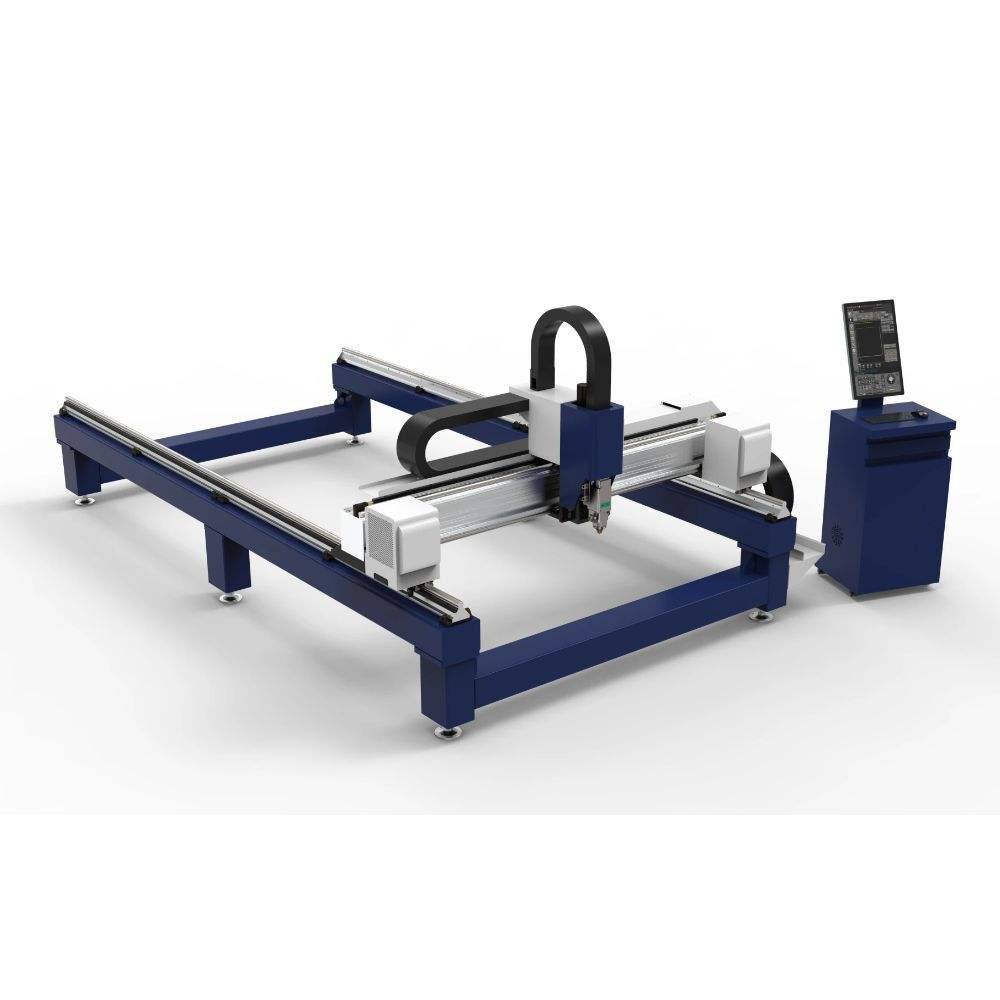
A 2kW fiber laser represents a strategic balance between capital investment and processing capability. Unlike CO2 lasers of the past, fiber lasers operate at a wavelength of approximately 1.06 microns, which is more readily absorbed by metallic surfaces. For a 2kW system, this translates to high-speed processing of carbon steel up to 12mm and stainless steel up to 6mm. However, when applied to galvanized steel, the 2kW power rating offers a specific advantage: the ability to maintain a stable keyhole while managing the volatile vaporization of the zinc coating.
In the context of Tijuana’s fast-paced production schedules, the 2kW laser cutting system provides the necessary throughput for high-volume runs without the excessive energy consumption of higher-wattage units. This efficiency is critical for local manufacturers facing rising energy costs and the need for sustainable production practices. The beam quality (BPP) of a 2kW fiber source allows for a smaller spot size, resulting in a narrower kerf and higher power density, which is essential for penetrating the reflective and chemically complex surface of galvanized sheets.
Challenges of Laser Cutting Galvanized Steel
Galvanized steel presents unique challenges for laser cutting due to the zinc coating applied to the base steel for corrosion resistance. Zinc has a significantly lower melting point (approximately 419°C) and boiling point (907°C) compared to the base iron (melting at 1538°C). During the laser cutting process, the zinc coating vaporizes before the steel melts, creating a high-pressure gas layer between the laser nozzle and the workpiece.
This “zinc explosion” can lead to several defects if not managed correctly. First, the vaporized zinc can interfere with the laser beam’s stability, causing fluctuations in the cut quality. Second, the molten zinc can mix with the steel melt pool, leading to increased dross (slag) adherence on the bottom of the cut. For manufacturers in Tijuana supplying the medical or aerospace sectors, such defects are unacceptable as they necessitate secondary finishing processes, thereby increasing lead times and costs.
Optimizing Parameters for 2kW Systems
To achieve a clean, burr-free edge on galvanized steel with a 2kW laser, several parameters must be meticulously calibrated. The choice of assist gas is the most critical factor. While oxygen can be used for thicker sections to increase speed through exothermic reaction, it often results in a charred edge that compromises the corrosion resistance of the zinc. Nitrogen is the preferred assist gas for 2kW laser cutting of galvanized steel. High-pressure nitrogen (typically 12-18 bar) acts as a mechanical force to blow away the molten material and zinc vapor before they can react with the atmosphere.
The focal position also plays a vital role. When processing galvanized material, the focus is typically set slightly below the surface of the material or at the bottom of the sheet. This helps in widening the kerf slightly at the exit point, allowing the high-pressure nitrogen to clear the zinc-infused melt more effectively. Furthermore, the use of a “pulsed” piercing method rather than a “continuous wave” pierce prevents the initial zinc flare-up from contaminating the laser ceramic or lens.
Material Sourcing and Environmental Factors in Tijuana
The performance of a 2kW laser cutting machine is also influenced by the quality of the galvanized steel sourced. In the Tijuana market, material is often sourced from both Mexican and US mills. Variations in the thickness of the zinc coating (e.g., G60 vs. G90) require different parameter sets. A G90 coating, being thicker, produces more vapor and requires slower feed rates or higher gas pressures compared to G60.
Tijuana’s coastal environment also introduces humidity as a variable. High humidity can affect the stability of the laser’s beam path if the chilling system and air filtration are not properly maintained. For 2kW systems, ensuring that the compressed air used for the beam path is “Class 0” clean and dry is essential to prevent micro-contamination of the optics, which would otherwise lead to beam divergence and poor cut quality on reflective galvanized surfaces.
Fume Extraction and Operator Safety
One of the most overlooked aspects of laser cutting galvanized steel is the health hazard posed by zinc oxide fumes. When zinc is vaporized by the 2kW laser, it reacts with oxygen to form a fine white powder (zinc oxide). Inhalation of these fumes can lead to “metal fume fever,” a temporary but debilitating condition. Given the strict environmental and labor regulations (STPS) in Mexico, Tijuana-based facilities must invest in robust fume extraction systems.
A high-performance dust collector with HEPA filtration is mandatory. The extraction table should be partitioned to focus suction directly under the cutting head. Moreover, because zinc oxide is a very fine particulate, filter pulse-cleaning cycles must be optimized to prevent clogging. Maintaining a clean work environment not only protects the operators but also prevents the abrasive zinc dust from settling on the precision guideways and linear motors of the laser cutting machine, ensuring long-term mechanical accuracy.
Integration into the Tijuana Supply Chain
The adoption of 2kW fiber laser technology allows Tijuana’s job shops to integrate more seamlessly into the Just-In-Time (JIT) supply chains of Southern California and Northern Mexico. The ability to switch rapidly between different thicknesses of galvanized steel without the need for tool changes—as required in traditional punching—provides a significant competitive edge. With the rise of Industry 4.0, many 2kW systems in the region are now being equipped with automated loading and unloading systems, allowing for “lights-out” manufacturing.
For a company located in the Otay Mesa or Florido industrial parks, the proximity to specialized gas suppliers and technical service providers is a major benefit. Rapid access to high-purity nitrogen and replacement optics ensures that the 2kW laser cutting uptime remains above 95%, a necessity for meeting the rigorous delivery windows of the automotive and electronics sectors.
Maintenance Protocols for Longevity
To maintain the precision of a 2kW laser cutting system, a rigorous maintenance schedule is required, especially when processing galvanized steel. The “splatter” from the zinc coating can accumulate on the nozzle and the protective window. Daily inspections of the protective lens are necessary; even a microscopic speck of zinc dust can absorb laser energy, leading to thermal lensing or the catastrophic failure of the optic.
Nozzle calibration should be performed at the start of every shift. For galvanized steel, a double-layer nozzle is often recommended to stabilize the gas flow. Additionally, the slats of the cutting table should be cleaned or replaced regularly. Zinc buildup on the slats can cause the sheet to sit unevenly, affecting the focal consistency and potentially causing “tip-ups” where the cutting head collides with a tilted part. In the high-stakes environment of Tijuana manufacturing, preventing such downtime is the difference between a profitable contract and a loss.
Conclusion: The Future of Fabrication in Tijuana
The 2kW sheet metal laser remains the workhorse of the modern fabrication shop. For the specific challenges of galvanized steel, success is found at the intersection of technical parameter optimization, rigorous safety protocols, and proactive maintenance. As Tijuana continues to grow as a global manufacturing powerhouse, the precision and efficiency of laser cutting technology will remain a vital component of the region’s industrial infrastructure. By mastering the nuances of zinc-coated materials, local engineers and operators ensure that their facilities remain at the forefront of the global supply chain, delivering high-quality components that meet the most exacting international standards.













