Introduction: The Evolution of Industrial laser cutting in Guadalajara
Guadalajara, often referred to as the “Silicon Valley of Mexico,” has undergone a massive industrial transformation. As the capital of Jalisco, it has become a primary hub for automotive manufacturing, aerospace engineering, and the food processing industry. In this competitive landscape, the demand for high-precision metal fabrication has skyrocketed. The introduction of the 20kW fiber laser cutting machine represents a significant technological leap, offering local manufacturers the ability to process stainless steel with unprecedented speed and accuracy. This guide explores the technical intricacies, economic advantages, and local applications of 20kW fiber technology for the Guadalajara industrial sector.
The Technical Powerhouse: Understanding the 20kW Fiber Laser
A 20kW fiber laser cutting system is not merely a more powerful version of its 6kW or 12kW predecessors; it is a fundamental shift in processing capability. At this power level, the energy density of the beam allows for the “vaporization” of metal at speeds that were previously unthinkable. For stainless steel, which is notorious for its toughness and heat-retention properties, the 20kW source provides the necessary thermal energy to maintain a stable melt pool even at high feed rates.
Beam Quality and Energy Density
The core of the 20kW system lies in its high-quality fiber laser source. Unlike CO2 lasers, which rely on mirrors and gas mixtures, fiber lasers generate the beam within an optical fiber doped with rare-earth elements. The 20kW output is typically achieved through the combination of multiple laser modules into a single delivery fiber. The resulting beam has a high M2 factor, ensuring that the focus remains tight even over long distances. In laser cutting, this translates to a narrower kerf width and a significantly reduced heat-affected zone (HAZ), which is critical for maintaining the structural integrity of stainless steel components.
Advanced Motion Control and Machine Bed Stability
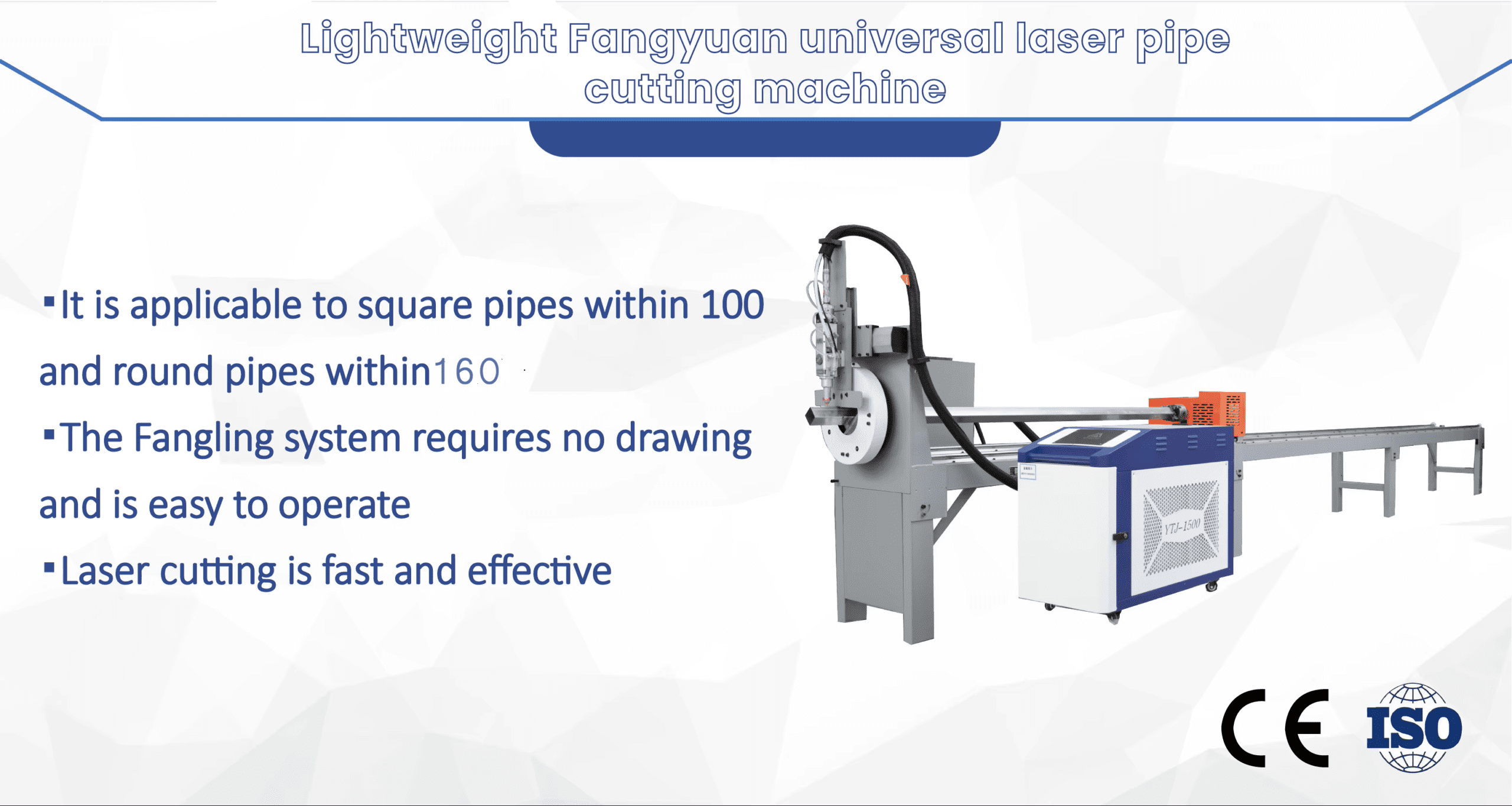
To handle the dynamic forces of a 20kW laser, the machine structure must be exceptionally rigid. Manufacturers in Guadalajara often look for machines with a heavy-duty, heat-treated carbon steel bed. At 20kW, the cutting speeds on thin materials can exceed 60-80 meters per minute. Without a high-acceleration gantry system—often powered by linear motors or high-end servo drives—the machine would be unable to keep up with the laser’s processing speed. This synergy between power and motion control is what defines modern laser cutting efficiency.
Stainless Steel Processing: The 20kW Advantage
Stainless steel is a staple in Guadalajara’s industrial output, particularly for the food, beverage, and pharmaceutical sectors. Whether it is Grade 304 for general kitchen equipment or Grade 316 for chemical-resistant tanks, the 20kW fiber laser provides specific advantages that lower-power machines cannot match.
Thick Plate Capabilities
Historically, cutting stainless steel thicker than 20mm required plasma cutting or waterjet processing, both of which have significant drawbacks in terms of edge quality or speed. A 20kW fiber laser can comfortably cut stainless steel up to 50mm or even 70mm in some configurations. More importantly, it maintains a “bright finish” on sections up to 25-30mm when using high-pressure nitrogen. This eliminates the need for secondary grinding or polishing, which is a major cost-saver for Guadalajara’s fabrication shops.
Nitrogen vs. Oxygen Cutting
At the 20kW level, nitrogen is the primary assist gas for stainless steel. Nitrogen prevents oxidation, ensuring that the cut edge remains silver and ready for welding without further treatment. The high power of the 20kW source allows the machine to overcome the cooling effect of high-pressure nitrogen, maintaining high speeds even on 15mm to 20mm plates. For even thicker sections where edge color is less critical, oxygen can be used, though fiber lasers are primarily optimized for high-speed nitrogen fusion cutting.
Industrial Applications in Guadalajara’s Key Sectors
The strategic location of Guadalajara makes it a focal point for several industries that rely heavily on stainless steel laser cutting.
Food and Beverage Processing (The Tequila Industry)
Jalisco is the heart of Mexico’s tequila production. The distillation process requires massive stainless steel tanks, piping systems, and filtration units. A 20kW laser cutting machine allows manufacturers to produce large-scale tank components with precise fit-up tolerances. This precision is vital for automated welding processes, ensuring that the tanks meet strict sanitary standards without the risk of bacterial traps caused by poor joint fitment.
Automotive and Aerospace Tiers
Guadalajara hosts numerous Tier 1 and Tier 2 suppliers for the automotive industry. Stainless steel is used in exhaust systems, heat shields, and structural brackets. The 20kW laser’s ability to maintain high throughput on 2mm to 5mm stainless steel means that a single machine can replace three or four lower-power units, significantly reducing the floor space requirements in the busy industrial parks of El Salto and Zapopan.

Architectural and Medical Equipment
From hospital furniture to high-end architectural facades in the Puerta de Hierro district, stainless steel is the material of choice for its aesthetic and hygienic properties. The 20kW laser ensures that even complex, intricate patterns can be cut into thick decorative plates without warping or dross, providing a level of detail that defines premium craftsmanship.
Economic Impact: ROI and Operational Efficiency
Investing in a 20kW fiber laser cutting machine is a significant capital expenditure. However, for a high-volume fabrication center in Guadalajara, the Return on Investment (ROI) is often faster than expected due to several factors.
Reduced Cost Per Part
The “cost per part” is the ultimate metric in metal fabrication. While the hourly operating cost of a 20kW machine is higher due to electricity and gas consumption, the speed at which it completes parts is exponentially higher. For example, cutting 10mm stainless steel with a 20kW laser is roughly 3 to 4 times faster than with a 6kW laser. This drastic reduction in cycle time spreads the fixed overhead costs over a much larger volume of parts.
Air Cutting: The Game Changer
One of the most significant economic benefits of 20kW technology is the ability to use high-pressure compressed air as an assist gas for stainless steel up to 10-12mm. While nitrogen provides the best finish, air cutting at 20kW is incredibly fast and eliminates the high cost of liquid nitrogen. For many industrial applications where a slight oxidation layer is acceptable or will be painted, air cutting provides the lowest possible cost per meter in the history of laser cutting.
Installation and Maintenance in the Jalisco Region
Operating a high-power laser in Guadalajara requires careful planning regarding infrastructure and technical support. A 20kW system draws significant power, necessitating a dedicated transformer and a robust industrial chiller system to manage the heat generated by the laser source and the cutting head.
Local Support and Technical Expertise
For manufacturers in Guadalajara, choosing a machine with local service support is paramount. The complexity of a 20kW cutting head—which features automated focus adjustment, zoom optics, and various sensors—requires specialized technicians. Regular maintenance of the optical path, ensuring the cleanliness of the protective windows, and calibrating the height sensor are essential tasks to prevent downtime in a 24/7 production environment.
Environmental Considerations
Guadalajara’s climate, while generally temperate, can experience high humidity during the rainy season. High-power fiber lasers require climate-controlled enclosures for the laser source and the electrical cabinets to prevent condensation on sensitive electronics and optics. A well-designed 20kW system will include an integrated dust extraction and filtration system, ensuring that the workshop environment remains safe and complies with Mexican environmental regulations (SEMARNAT).
The Future of Fiber Laser Technology in Mexico
As we look toward the future, the trend in laser cutting is moving toward even higher power levels and increased automation. We are already seeing the emergence of 30kW and 40kW systems, but 20kW remains the “sweet spot” for most heavy industrial applications in terms of stability and cost-to-performance ratio. For Guadalajara’s manufacturing sector, adopting 20kW fiber laser technology is a clear path toward global competitiveness, allowing local shops to take on projects that were previously outsourced to international competitors.
Integration with Industry 4.0
Modern 20kW machines are equipped with software that integrates directly into a factory’s ERP system. In Guadalajara’s tech-forward environment, this allows for real-time monitoring of production metrics, gas consumption, and machine health. Smart nesting algorithms ensure maximum material utilization of expensive stainless steel sheets, further enhancing the profitability of the laser cutting operation.
Conclusion
The 20kW fiber laser cutting machine is a transformative tool for the stainless steel fabrication industry in Guadalajara. By offering a combination of extreme thickness capacity, high-speed processing, and superior edge quality, it empowers local manufacturers to meet the rigorous demands of the automotive, aerospace, and food processing sectors. While the initial investment is substantial, the efficiencies gained through reduced cycle times, the ability to use air assist, and the elimination of secondary finishing make it a strategic asset for any forward-thinking industrial enterprise in Jalisco. As laser cutting continues to evolve, those who invest in high-power fiber technology today will lead the market in the years to come.













