Mastering Brass Fabrication: The 4kW Fiber laser cutting Guide for Monterrey’s Industrial Sector
Monterrey, Nuevo León, has long been recognized as the industrial powerhouse of Mexico. As the city continues to lead in automotive, aerospace, and electronics manufacturing, the demand for high-precision metal processing has reached unprecedented levels. Among the various technologies driving this evolution, the 4kW fiber laser cutting machine stands out as a critical asset, particularly for challenging materials like brass. This guide explores the technical intricacies, operational advantages, and strategic implementation of 4kW fiber laser cutting for brass within the context of Monterrey’s competitive manufacturing landscape.
The transition from traditional CO2 lasers to fiber technology has revolutionized the fabrication of non-ferrous metals. Brass, an alloy of copper and zinc, is notoriously difficult to process due to its high reflectivity and thermal conductivity. However, the 1.06-micron wavelength of a fiber laser is absorbed much more efficiently by brass than the 10.6-micron wavelength of CO2 lasers. A 4kW power rating provides the ideal balance of speed, thickness capacity, and edge quality, making it the “sweet spot” for mid-to-heavy industrial applications in the region.
The Physics of Laser Cutting Brass
To understand why a 4kW fiber laser is essential for brass, one must look at the metallurgy of the material. Brass reflects a significant portion of laser energy in its solid state. When a laser beam first hits the surface, the initial reflection can be high enough to damage the optical components of the machine if not managed correctly. Fiber lasers utilize advanced optical isolators and back-reflection protection systems to mitigate this risk.
Once the material reaches its melting point, the absorption rate increases dramatically. A 4kW power source provides the “photon density” required to pierce the material rapidly, minimizing the time the laser spends in the highly reflective state. This high power density allows for a smaller heat-affected zone (HAZ), which is crucial for maintaining the structural integrity and aesthetic finish of brass components, often used in electrical connectors or decorative architectural elements in Monterrey’s luxury construction sector.

Technical Specifications of the 4kW System
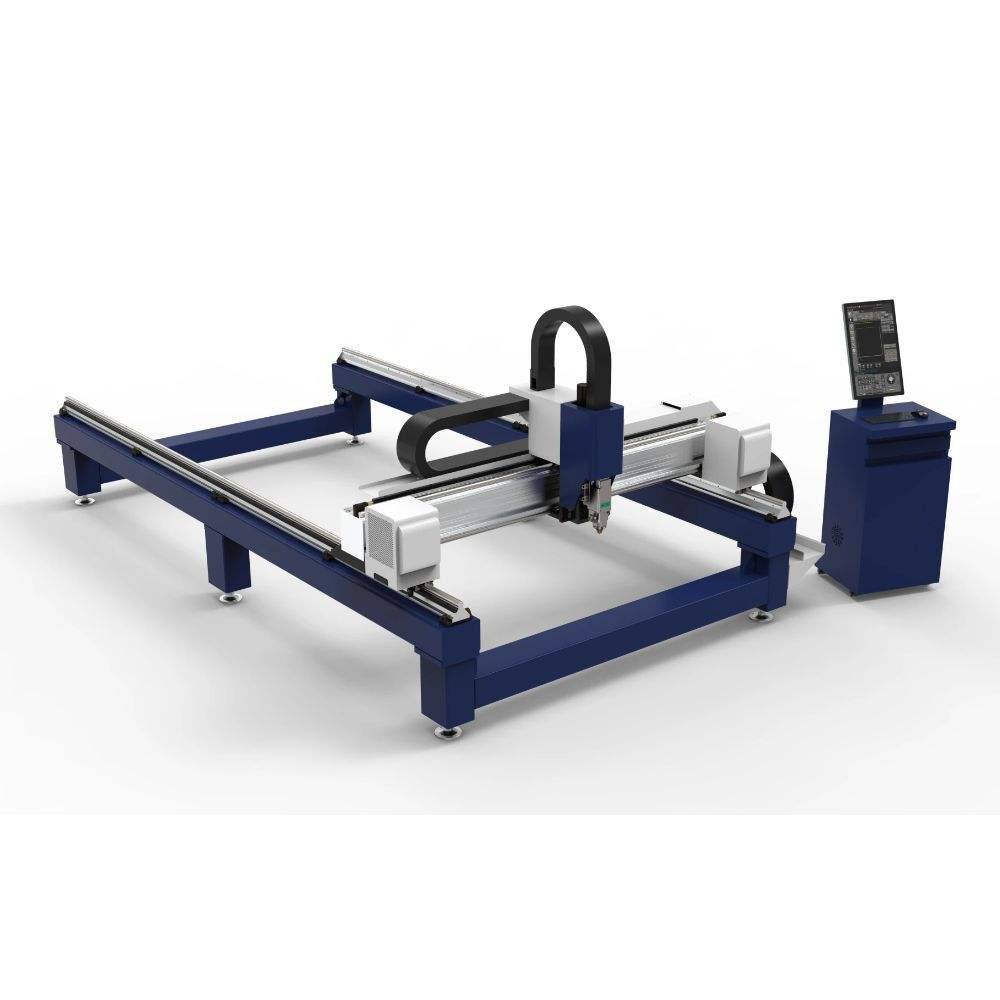
A professional-grade 4kW fiber laser cutting machine is defined by more than just its power source. For manufacturers in Monterrey looking to optimize brass production, several key components must be considered:
- Laser Source: High-stability resonators from manufacturers like IPG or Raycus ensure consistent beam quality over long production shifts.
- Cutting Head: Auto-focusing heads with integrated sensors are vital. For brass, the focal point must be maintained precisely at or slightly below the material surface to ensure clean expulsion of molten metal.
- Motion System: High-acceleration gantries driven by Yaskawa or Delta servo motors allow the machine to handle the high speeds required for thin-gauge brass without sacrificing corner accuracy.
- Bed Construction: A heavy-duty, heat-treated steel frame is necessary to dampen vibrations, which is critical when the laser cutting process moves at speeds exceeding 30 meters per minute.
Optimizing Cutting Parameters for Brass
Achieving a burr-free finish on brass requires precise calibration of the 4kW system. Unlike carbon steel, which often uses oxygen as an assist gas to add exothermic energy, brass is typically cut using high-pressure nitrogen or compressed air. Nitrogen acts as a shielding gas, preventing oxidation and leaving a clean, bright edge that requires no secondary finishing.
For a 4kW system, the typical thickness capacity for brass ranges from 0.5mm to 10mm. While the machine can technically cut thicker, the 1mm to 6mm range is where the 4kW laser truly excels in terms of speed and edge perpendicularity. Operators in Monterrey’s workshops must balance the gas pressure (often between 12 and 18 bar) with the cutting speed to ensure that the “dross” (molten slag) is blown out of the kerf before it can re-solidify on the underside of the sheet.
Industrial Applications in Monterrey
The versatility of the 4kW fiber laser cutting machine allows it to serve multiple sectors within the Monterrey metropolitan area. In the automotive industry, brass components are frequently used in sensors, bushings, and radiators. The precision of laser cutting ensures that these parts meet the rigorous tolerances required by Tier 1 and Tier 2 suppliers located in industrial parks like Santa Catarina and Apodaca.
Furthermore, Monterrey’s thriving electronics industry relies on brass for busbars and high-conductivity terminals. The 4kW laser’s ability to produce intricate geometries with a kerf width as narrow as 0.1mm allows engineers to design smaller, more efficient components. In the architectural sector, the aesthetic appeal of brass is utilized for signage and custom interior fixtures, where the clean edge produced by the fiber laser is a significant competitive advantage over mechanical shearing or CNC routing.
Maintenance and Longevity in High-Volume Environments
Operating a 4kW fiber laser cutting machine in a high-output environment like Monterrey requires a disciplined maintenance schedule. The primary concern when cutting brass is the accumulation of fine metallic dust. Brass dust is conductive and can interfere with electronic components if the filtration system is not robust.
Daily maintenance should include cleaning the protective windows of the cutting head and checking the nozzle for wear. Because brass is a “soft” metal, it can sometimes “spatter” during the piercing process, leading to nozzle contamination. Using a 4kW system with a high-speed piercing function can reduce this spatter. Furthermore, the chiller unit must be monitored closely; fiber lasers are highly efficient, but the 4kW power level generates significant heat in the diodes and the cutting head that must be dissipated to maintain beam stability.
Overcoming the Challenges of High Reflectivity
One of the most significant engineering hurdles when laser cutting brass is “back-reflection.” If the laser beam is reflected directly back into the delivery fiber, it can cause catastrophic failure of the laser source. Modern 4kW machines are equipped with hardware-based reflection sensing. When the system detects a spike in reflected light, it automatically shuts down the beam in microseconds.
For Monterrey fabricators, this means that even highly polished brass sheets can be processed safely. However, it is still best practice to avoid “dead-stop” piercing and instead use a “lead-in” technique where the laser begins moving as it pierces the material. This ensures that the reflected energy is directed away from the optical axis, protecting the machine’s longevity.
Economic Impact and ROI for Monterrey Businesses
Investing in a 4kW fiber laser cutting machine represents a significant capital expenditure, but the Return on Investment (ROI) for Monterrey-based companies is often realized within 18 to 24 months. The speed of fiber laser cutting—up to 3 to 5 times faster than CO2 for thin materials—directly translates to lower per-part costs. Additionally, the elimination of secondary processing (such as deburring or polishing) reduces labor costs and shortens lead times.
In the context of “nearshoring,” where North American companies are shifting production to Mexico, having the capability to process brass with high precision allows local shops to win contracts that were previously sent overseas. The 4kW machine provides the flexibility to handle both high-volume production runs and small-batch prototyping, making it a versatile tool for the dynamic Mexican market.
Choosing the Right Partner in Monterrey
When implementing 4kW laser technology, local support is paramount. Monterrey’s industrial ecosystem benefits from a wide network of technicians and spare parts suppliers. When selecting a machine, it is crucial to ensure that the software (such as CypCut or Lantek) is compatible with the existing CAD/CAM workflows of the engineering team. Furthermore, training for operators on the specific nuances of brass—such as focal shift and gas purity—can make the difference between a profitable operation and one plagued by material waste.
Future Trends in Fiber Laser Technology
As we look toward the future of manufacturing in Nuevo León, the integration of Industry 4.0 features into laser cutting machines is becoming standard. A 4kW fiber laser can now be equipped with real-time monitoring systems that track gas consumption, power usage, and cutting efficiency. This data allows Monterrey plant managers to optimize their production schedules and predict maintenance needs before downtime occurs.
The evolution of “beam shaping” technology is also noteworthy. Some advanced 4kW systems can now alter the distribution of energy within the laser spot, allowing for even cleaner cuts on thick brass by creating a wider kerf that facilitates easier melt expulsion. This innovation continues to push the boundaries of what is possible with fiber laser cutting, ensuring that brass remains a viable and cost-effective material for modern engineering.
Conclusion
The 4kW fiber laser cutting machine is more than just a piece of equipment; it is a transformative technology for the Monterrey industrial sector. By mastering the challenges of brass fabrication—reflectivity, heat management, and gas dynamics—local manufacturers can produce world-class components with unmatched efficiency. As Monterrey continues to grow as a global manufacturing hub, the precision and power of the 4kW fiber laser will remain at the forefront of the city’s technical achievements, driving innovation and economic prosperity across the region.













