Introduction to 6kW Sheet Metal laser cutting Technology
In the rapidly evolving landscape of industrial fabrication, the 6kW fiber laser has emerged as a cornerstone for high-efficiency production. This power level represents a critical threshold where speed, precision, and material thickness capability intersect to provide a competitive edge for manufacturers. In regions like Leon, a prominent industrial hub known for its robust manufacturing and automotive sectors, the adoption of 6kW laser cutting systems has transformed how carbon steel components are processed.
The transition from lower wattage systems to a 6kW source allows for a significant increase in throughput. This guide explores the technical nuances of utilizing a 6kW sheet metal laser specifically for carbon steel, focusing on the mechanical advantages, operational parameters, and the strategic importance of this technology within the Leon industrial corridor. By understanding the physics of the fiber laser and the metallurgical response of carbon steel, engineers can optimize their workflows for maximum profitability and part quality.
The Industrial Context: Laser Cutting in Leon
Leon, Guanajuato, stands as a vital node in the Bajío region’s “industrial diamond.” Traditionally recognized for its leather and footwear industries, the city has diversified into advanced metal-mechanic manufacturing, supporting the automotive, aerospace, and agricultural machinery sectors. In this high-demand environment, the 6kW laser cutting machine is no longer a luxury but a necessity for shops aiming to supply Tier 1 and Tier 2 manufacturers.
The local supply chain in Leon demands rapid turnaround times and tight tolerances. Carbon steel, being the most widely used material in structural and mechanical applications, requires a cutting solution that can handle varying grades—from standard A36 to high-strength low-alloy (HSLA) steels. A 6kW system provides the necessary power density to maintain high feed rates on medium-thickness plates, ensuring that local fabricators can meet the volume requirements of the region’s growing industrial base.

Technical Specifications of the 6kW Fiber Source
A 6kW fiber laser operates by generating a high-intensity beam within an ytterbium-doped optical fiber. This beam is then delivered via a flexible transport fiber to the cutting head. The 1.06-micron wavelength of the fiber laser is highly absorbed by carbon steel, making it far more efficient than traditional CO2 lasers. At 6kW, the power density at the focal point is sufficient to instantaneously melt and vaporize steel, allowing for exceptionally clean cuts.
Key technical attributes of a 6kW system include:
- Beam Parameter Product (BPP): Modern 6kW sources offer excellent beam quality, enabling a small spot size that minimizes the kerf width.
- Power Stability: High-end resonators ensure power fluctuations are kept under 1%, which is vital for maintaining consistent cut quality over long production runs.
- Dynamic Range: The ability to modulate power from 10% to 100% allows the machine to handle intricate geometries and thick plate piercing with equal efficacy.
Optimizing Laser Cutting for Carbon Steel
Carbon steel is the “bread and butter” of the sheet metal industry. When processing this material with a 6kW laser, the primary goal is to balance the Heat Affected Zone (HAZ) with the cutting speed. Carbon steel’s high thermal conductivity means that heat can dissipate quickly into the surrounding material, potentially causing warping in thinner sheets or slag accumulation in thicker plates if parameters are not correctly tuned.
Material Grades and Their Impact
Not all carbon steel is created equal. The surface condition, chemical composition, and manufacturing method (hot-rolled vs. cold-rolled) significantly impact the laser cutting process. In Leon’s industrial market, fabricators often encounter:
- ASTM A36: The most common structural steel. Its variable silicon content can sometimes lead to inconsistent cutting results, requiring a 6kW system’s power reserves to “push through” impurities.
- SAE 1018: A cold-rolled steel that offers excellent surface finish and dimensional accuracy, ideal for high-precision laser cutting.
- Pickled and Oiled (P&O): This material has had its scale removed, allowing for faster cutting speeds and a cleaner finish compared to standard hot-rolled steel.
Assist Gas Dynamics: Oxygen vs. Nitrogen
The choice of assist gas is perhaps the most critical decision in carbon steel laser cutting. With a 6kW source, the options expand significantly.
Oxygen (O2) Cutting: This is the traditional method for carbon steel. The oxygen reacts exothermically with the iron, adding thermal energy to the process. This allows for the cutting of very thick plates (up to 25mm or more with 6kW) at relatively low pressures. However, it leaves an oxide layer on the cut edge that must be removed before painting or welding.
Nitrogen (N2) or High-Pressure Air: With 6kW of power, nitrogen cutting becomes viable for carbon steel up to 6mm or 8mm. This is a “fusion cutting” process where the laser does all the work, and the gas simply blows away the molten metal. The result is a shiny, oxide-free edge that is ready for immediate downstream processing. In the fast-paced Leon automotive sector, the time saved by eliminating secondary cleaning operations is a major financial incentive.
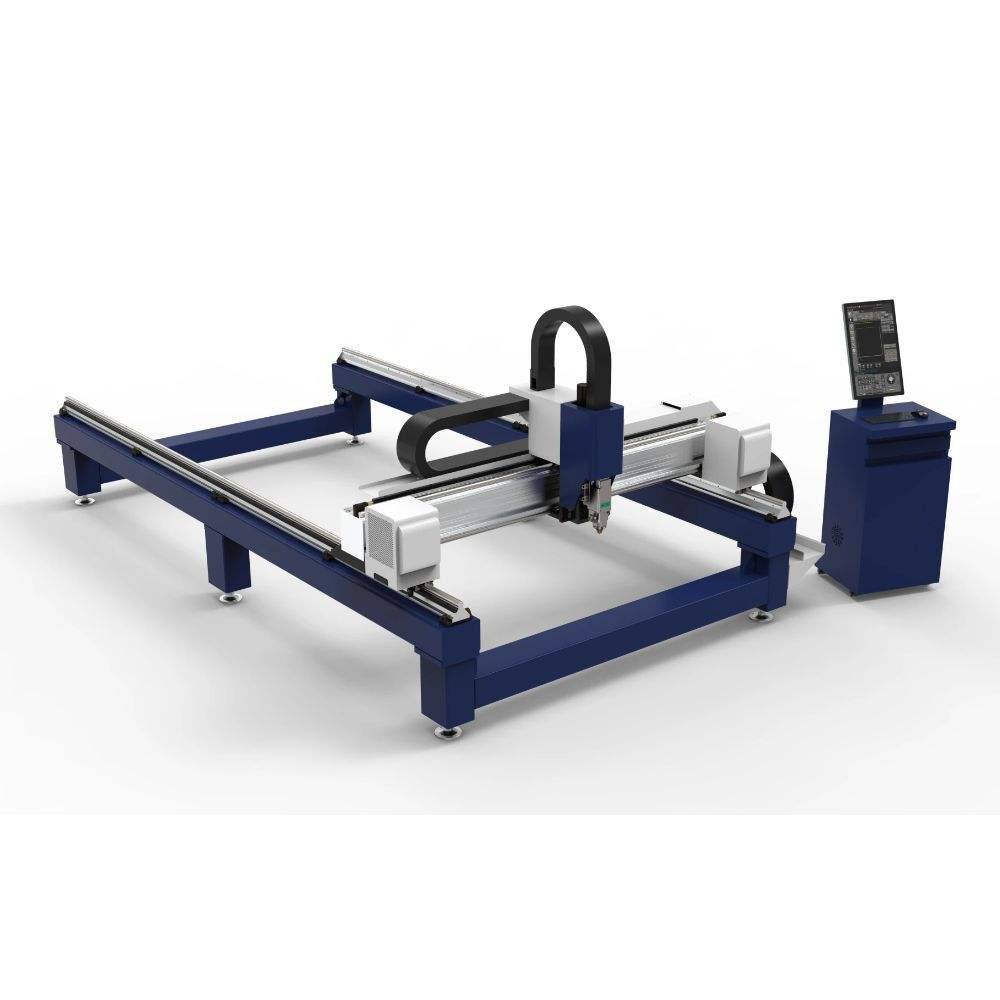
Operational Parameters for 6kW Systems
To achieve the best results in carbon steel, operators in Leon must master the relationship between power, speed, focus, and gas pressure. A 6kW machine offers a wide “process window,” but staying within the sweet spot is essential for part consistency.
Piercing Strategies
Piercing is often the bottleneck in thick carbon steel processing. A 6kW laser allows for “flash piercing” on thinner materials and sophisticated multi-stage piercing on thicker plates. By using frequency modulation and varying the nozzle height during the pierce, the machine can create a clean entry hole without splashing molten metal back onto the protective window of the cutting head.
Focal Position and Nozzle Selection
For carbon steel, the focal point is typically placed at or slightly above the material surface when using oxygen. When switching to nitrogen for high-speed cutting of thinner gauges, the focus is often moved deeper into the material. Nozzle selection is equally important; double nozzles are frequently used with oxygen to stabilize the gas flow and prevent “self-burning” of the material, while large-diameter single nozzles are preferred for high-pressure nitrogen cutting.
Cutting Speeds and Efficiency
A 6kW laser can cut 3mm carbon steel at speeds exceeding 15-20 meters per minute, depending on the machine’s drive system. As the thickness increases to 12mm, the speed drops, but the 6kW source maintains a stable “laminar flow” of molten material, resulting in a smooth edge with minimal striations. For shops in Leon, this means a 6kW machine can often replace two 3kW machines in terms of total plate-per-hour output.
Maintenance and Longevity in Leon’s Climate
Leon’s environment can be dusty and experiences significant temperature fluctuations between day and night. For a 6kW fiber laser, maintaining a clean and controlled environment is paramount. The internal optics of a 6kW head are under immense thermal stress; even a microscopic speck of dust can absorb enough laser energy to crack a lens or protective window.
Chiller Performance
The 6kW resonator and the cutting head require precise temperature control. In the warmer months in Guanajuato, the chiller unit must be robust enough to maintain a constant 22-25°C. Any deviation can lead to “thermal lensing,” where the focus shifts during a long cut, resulting in a loss of cut quality or even a failed part.
Gas Purity
Using high-purity assist gases is non-negotiable. For nitrogen cutting, a purity of 99.99% is required to ensure an oxide-free edge. Many shops in Leon are investing in nitrogen generators to control both the quality and the cost of their gas supply, further integrating their 6kW laser cutting operations.
Conclusion: The Future of Fabrication in the Bajío
The 6kW sheet metal laser represents the current “gold standard” for versatile, high-production carbon steel fabrication. For the industrial community in Leon, adopting this technology is a strategic move toward higher complexity and faster delivery cycles. By leveraging the power of 6000 watts, fabricators can tackle thicker materials, utilize nitrogen for cleaner edges, and significantly reduce the cost per part.
As the automotive and energy sectors in Mexico continue to demand higher standards, the role of the 6kW fiber laser will only grow. Understanding the synergy between the laser source, the material properties of carbon steel, and the specific operational requirements of the machine ensures that Leon remains at the forefront of the global manufacturing stage. Precision laser cutting is not just about power; it is about the intelligent application of that power to transform raw steel into the components that drive the modern world.













