The Evolution of Industrial Fabrication: 20kW Fiber laser cutting in Monterrey
The industrial landscape of Monterrey, Nuevo León, has long been recognized as the powerhouse of Mexican manufacturing. As the city positions itself as a global hub for nearshoring—driven by the expansion of the automotive, aerospace, and heavy machinery sectors—the demand for high-precision, high-speed fabrication has reached an inflection point. At the center of this technological shift is the 20kW fiber laser cutting machine. This ultra-high-power system represents a significant leap forward from the previous industry standards of 6kW and 12kW, offering unprecedented capabilities specifically for processing carbon steel, the backbone of Monterrey’s industrial output.
For fabricators in Santa Catarina, Apodaca, and Guadalupe, the transition to 20kW fiber laser cutting is not merely an upgrade; it is a strategic necessity to remain competitive in a market that demands tighter tolerances and faster turnaround times. This guide explores the technical intricacies, economic advantages, and operational considerations of deploying 20kW fiber laser technology for carbon steel applications in the unique industrial climate of Northern Mexico.
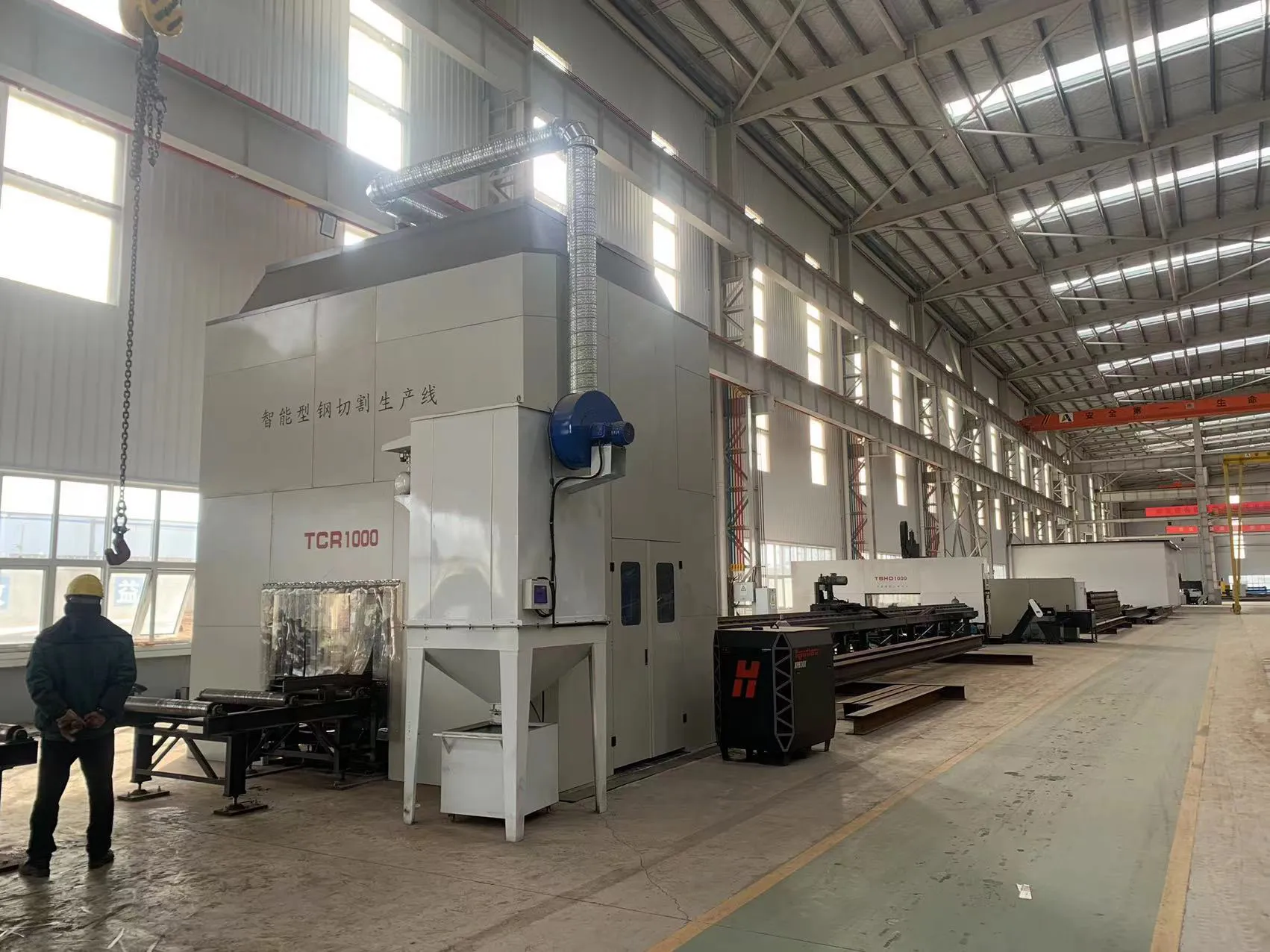
Technical Capabilities of 20kW Fiber Laser Systems
The core advantage of a 20kW fiber laser cutting system lies in its power density. In fiber laser technology, the beam is generated by bank of diodes and transmitted through a flexible fiber optic cable to the cutting head. At 20,000 watts, the energy concentration is sufficient to vaporize thick carbon steel almost instantaneously. This power level allows for the efficient processing of carbon steel plates ranging from 16mm to over 50mm in thickness, a range that was previously reserved for plasma cutting or waterjet technologies.
When processing carbon steel, the 20kW source provides a “bright surface” finish on medium thicknesses (up to 25mm) that was historically difficult to achieve. The high wattage allows the machine to maintain a high feed rate, which minimizes the Heat-Affected Zone (HAZ). A smaller HAZ is critical for Monterrey’s automotive suppliers, as it ensures that the structural integrity and metallurgical properties of the steel remain intact, reducing the need for secondary heat treatment or edge grinding.
Optimizing Carbon Steel Processing in Monterrey’s Climate
Carbon steel is the most widely used material in Monterrey’s construction and manufacturing sectors, appearing in everything from structural beams to heavy-duty truck frames. However, cutting carbon steel with a fiber laser requires a nuanced understanding of material grades and environmental factors. In Monterrey, where humidity levels can fluctuate and industrial dust is prevalent, maintaining the integrity of the laser cutting process is paramount.
The 20kW laser cutting machine excels at processing A36 and 1018 carbon steel. For thicknesses exceeding 20mm, the choice of assist gas becomes a critical engineering decision. While oxygen has traditionally been used to facilitate an exothermic reaction that aids the cut, the 20kW power allows for “High-Pressure Air Cutting” or “Nitrogen Cutting” on thicknesses that were previously impossible. Nitrogen cutting at 20kW prevents oxidation on the cut edge, which is vital for components that will later be powder-coated or welded, as it eliminates the need for de-scaling.
Efficiency and Throughput: The Economic Argument
In the competitive manufacturing corridors of Nuevo León, throughput is the primary metric of success. A 20kW fiber laser cutting machine can increase cutting speeds by 200% to 400% compared to a 6kW machine when working with 12mm to 20mm carbon steel. For example, where a 6kW machine might cut 16mm carbon steel at 1.2 meters per minute, a 20kW system can achieve speeds exceeding 4.5 meters per minute.
This increase in speed directly translates to a lower cost per part. Although the initial capital expenditure for a 20kW system is higher than lower-wattage alternatives, the reduction in labor hours, the elimination of secondary finishing processes, and the ability to take on “heavy plate” contracts that were previously outsourced make the Return on Investment (ROI) highly attractive for Monterrey-based enterprises. Furthermore, the energy efficiency of modern fiber resonators ensures that the power consumption per meter of cut is actually lower than that of older, less powerful CO2 lasers.

Precision Engineering and Motion Control
High power is useless without high precision. A 20kW fiber laser cutting machine must be built on a heavy-duty, stress-relieved gantry to withstand the extreme accelerations and decelerations required by such high cutting speeds. In Monterrey’s high-output shops, machines often run 24/7. This necessitates a robust mechanical structure—often a hollow-structure bed with high thermal stability—to prevent warping over time.
The motion control systems in these machines utilize high-end servo motors and precision rack-and-pinion drives. When laser cutting at 20kW, the “kerf” (the width of the cut) is extremely narrow. Maintaining this precision across a large 3000mm x 1500mm or 6000mm x 2500mm table requires a control system capable of processing thousands of blocks of code per second. This ensures that even at high speeds, complex geometries and small holes are cut with a circularity and dimensional accuracy that meets international aerospace and automotive standards.
Infrastructure Requirements for 20kW Operations
Installing a 20kW laser cutting system in a Monterrey facility requires careful infrastructure planning. The electrical requirements are substantial; a stable 440V or 220V three-phase power supply with adequate amperage is necessary to power the resonator, the chiller, and the dust extraction system. Given Monterrey’s occasional power grid fluctuations, the use of high-capacity voltage stabilizers and industrial-grade transformers is highly recommended to protect the sensitive laser diodes.
Cooling is another critical factor. A 20kW laser generates significant heat. High-capacity dual-circuit chillers are required to maintain the temperature of both the laser source and the cutting head. In the hot Monterrey summers, where ambient temperatures can exceed 40°C, these chillers must be rated for high-ambient-temperature operation to prevent thermal shutdowns. Additionally, a robust dust collection system is mandatory. Laser cutting carbon steel produces fine iron oxide dust, which can be hazardous to operators and damaging to the machine’s optical components if not properly evacuated.
The Impact of Nearshoring on Monterrey’s Laser Market
The “Tesla Effect” and the general trend of nearshoring have brought a wave of Tier 1 and Tier 2 suppliers to the Monterrey metropolitan area. these companies bring with them global quality standards (ISO 9001, IATF 16949) that demand the precision of fiber laser cutting. Traditional methods like oxy-fuel or plasma are often insufficient for the tight tolerances required in modern electric vehicle (EV) chassis components or renewable energy infrastructure.
By investing in 20kW technology, local Monterrey fabricators can position themselves as preferred partners for these multinational corporations. The ability to cut thick carbon steel plates with the same precision as thin sheet metal allows a single shop to service multiple industries—from heavy construction equipment to intricate architectural components—without changing machine setups. This versatility is the cornerstone of a resilient manufacturing business in the current economic climate.
Maintenance and Longevity of High-Power Lasers
To ensure the longevity of a 20kW fiber laser cutting machine, a rigorous preventative maintenance schedule is essential. The optical path, specifically the protective windows in the cutting head, must be checked and cleaned daily. At 20kW, even a tiny speck of dust on the lens can absorb enough energy to shatter the glass, leading to costly downtime.
Furthermore, the choice of consumables—nozzles, ceramics, and optics—should not be compromised. Using high-quality copper nozzles designed for high-pressure gas flow is vital for maintaining cut quality in carbon steel. For Monterrey shops, establishing a local supply chain for these consumables or maintaining a robust on-site inventory is critical to avoid disruptions in production. Most modern 20kW systems also feature remote diagnostic capabilities, allowing technicians to troubleshoot software or parameter issues from anywhere in the world, which is a significant advantage for maintaining uptime in Mexico’s fast-paced industrial sector.
Conclusion: The Future of Fabrication in Nuevo León
The introduction of 20kW fiber laser cutting technology marks a new era for the manufacturing sector in Monterrey. By combining the raw power needed for thick carbon steel with the precision required for high-tech components, these machines offer a path toward increased profitability and market dominance. As the city continues to grow as a global industrial hub, the fabricators who embrace high-power fiber laser technology will be the ones leading the charge, defining the future of “Made in Mexico” with every precise cut.
Whether you are a small workshop looking to scale or a large-scale manufacturer aiming to optimize your production line, the 20kW fiber laser cutting machine provides the speed, versatility, and reliability needed to conquer the challenges of modern carbon steel fabrication. In the heart of Monterrey, where industry meets innovation, this technology is not just a tool—it is the engine of growth.













