Introduction to 30kW Precision Laser Systems in Leon
The manufacturing landscape in Leon has undergone a significant transformation with the introduction of ultra-high-power fiber laser technology. Among the most formidable advancements is the 30kW precision laser system, a tool that has redefined the boundaries of metal fabrication. For industries operating within the Bajío region, particularly those involved in automotive, aerospace, and decorative hardware, the ability to process non-ferrous metals like brass with unprecedented speed and accuracy is a competitive necessity. This guide explores the technical intricacies, operational advantages, and economic impact of deploying a 30kW laser cutting system specifically tailored for brass processing in the industrial heart of Leon.
A 30kW system represents the pinnacle of current fiber laser technology. Unlike lower-wattage predecessors, the 30kW power density allows for a “keyhole” welding effect even during the cutting process, facilitating the penetration of thick materials that were previously reserved for plasma or waterjet cutting. In the context of Leon’s growing industrial base, this technology provides a bridge between high-volume production and artisanal precision, ensuring that local manufacturers can meet international standards for edge quality and dimensional tolerance.
 laser cutting machine“>
The Engineering Behind 30kW Fiber Laser Cutting
The core of the 30kW system lies in its fiber laser source, which utilizes several individual laser modules combined into a single high-power beam. This beam is delivered through a flexible fiber optic cable to the cutting head. For engineers in Leon, understanding the beam characteristics is vital. At 30,000 watts, the energy density is sufficient to vaporize metal almost instantly. This rapid vaporization is the key to laser cutting efficiency, as it minimizes the time the surrounding material is exposed to heat, thereby reducing the Heat Affected Zone (HAZ).
Overcoming Reflectivity in Brass
Brass is an alloy of copper and zinc, and like all copper-based metals, it is highly reflective in its solid state. For traditional CO2 lasers, brass was a nightmare material; the reflected light could travel back into the laser resonator and cause catastrophic failure. However, the 30kW fiber laser operates at a wavelength of approximately 1.06 microns, which is much more readily absorbed by brass than the 10.6 microns of a CO2 laser. Furthermore, modern 30kW systems are equipped with advanced back-reflection protection sensors that can shut down the beam in microseconds if a dangerous level of reflection is detected.
By utilizing 30kW of power, the system can “punch through” the initial reflective surface of the brass faster than lower-power lasers. Once the material is molten, its reflectivity drops significantly, allowing the laser cutting process to proceed with extreme stability. This makes the 30kW system the ideal choice for Leon’s hardware manufacturers who require intricate patterns in thick brass plates for architectural or industrial applications.
Why Leon? The Industrial Hub of High-Performance Machining
Leon, Guanajuato, has established itself as a critical node in Mexico’s industrial corridor. Traditionally known for its leather and footwear industry, the city has diversified into high-tech automotive manufacturing and heavy machinery components. The demand for 30kW laser cutting services in Leon is driven by the need for rapid prototyping and the localized production of specialized tools. As global supply chains shorten, having the capacity to process 20mm to 50mm brass plates locally in Leon provides a significant logistical advantage.
The local workforce in Leon has also evolved, with technical universities producing engineers who are adept at CNC programming and laser physics. Integrating a 30kW system into a Leon-based facility allows these professionals to push the limits of what is possible, moving away from labor-intensive mechanical cutting toward automated, high-precision laser solutions. This shift not only increases throughput but also enhances the safety and cleanliness of the workshop environment.
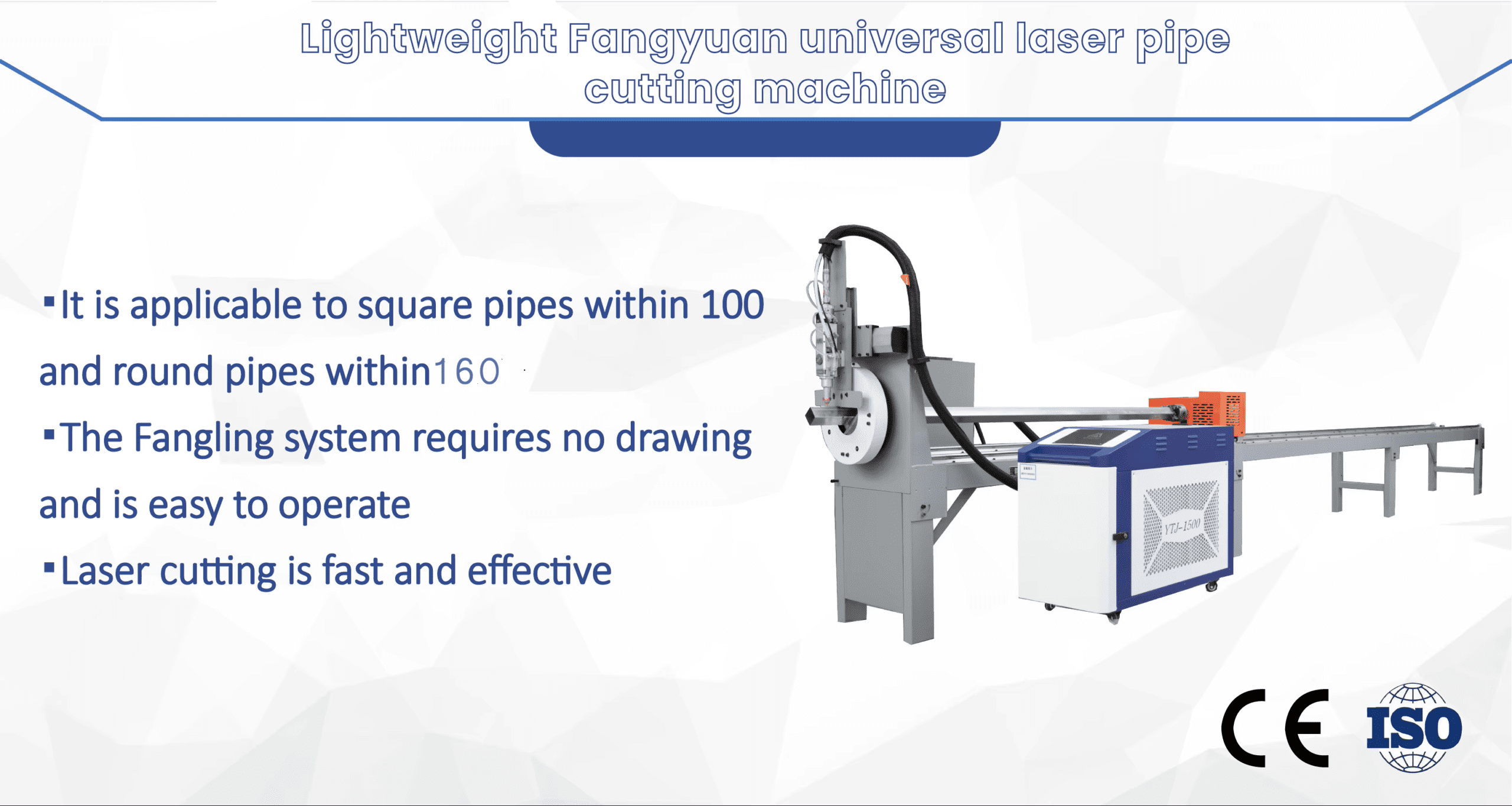
Technical Specifications for Brass Processing
When configuring a 30kW system for brass, several engineering parameters must be optimized. Brass alloys, such as C260 or C360, have different thermal conductivities and melting points. A 30kW system provides the overhead necessary to handle these variations without sacrificing speed. The mechanical structure of the machine—typically a heavy-duty gantry with linear motors—must be capable of maintaining micron-level precision while moving at the high velocities enabled by the 30kW source.
Cutting Speeds and Thickness Capacity
One of the primary advantages of the 30kW laser cutting system is the dramatic increase in cutting speed for medium-thickness brass. For example, while a 6kW laser might struggle with 12mm brass, a 30kW system can slice through it at speeds exceeding 5 meters per minute. For thinner gauges (3mm to 6mm), the speeds are so high that the limitation often becomes the acceleration of the machine’s motion system rather than the laser’s power. This high-speed processing is essential for Leon’s manufacturers who need to fulfill large orders on tight deadlines.
Gas Dynamics and Edge Quality
The choice of assist gas is critical when laser cutting brass with a 30kW system. Nitrogen is the most common choice for high-precision applications. Because nitrogen is inert, it prevents oxidation on the cut edge, resulting in a bright, clean finish that requires no secondary polishing. At 30kW, the pressure of the nitrogen must be carefully regulated to blow away the molten brass efficiently. If the pressure is too low, dross will form on the bottom edge; if it is too high, it can cause turbulence in the melt pool, affecting the smoothness of the cut surface. Precision nozzles and automated gas consoles are standard features on these high-power systems to ensure consistency.
Operational Excellence and Maintenance
Operating a 30kW precision laser system in an industrial environment like Leon requires a rigorous maintenance schedule. The sheer power of the beam means that even minor contaminants on the protective window of the cutting head can lead to thermal damage. Operators must be trained in clean-room protocols when handling optical components. Furthermore, the cooling system (chiller) for a 30kW laser is a massive engineering component in itself, requiring precise temperature control to within ±0.1°C to maintain the stability of the laser diodes.
In Leon’s climate, where temperatures can fluctuate, ensuring the chiller is properly sized and maintained is paramount. Regular inspections of the dust collection systems are also necessary, as laser cutting brass produces fine metallic dust that must be filtered to protect both the machine’s internal components and the health of the operators. Modern 30kW systems often include “smart” monitoring features that provide real-time data on beam quality, gas consumption, and component wear, allowing for predictive maintenance that minimizes downtime.
Economic Advantages for Leon-Based Manufacturers
The return on investment (ROI) for a 30kW laser cutting system is realized through several channels. First is the reduction in cost-per-part. By cutting faster and eliminating the need for secondary finishing, the labor cost associated with each brass component is significantly reduced. Second is the ability to take on jobs that were previously impossible. A shop in Leon equipped with 30kW power can bid on heavy-duty industrial brass flanges or thick decorative panels that competitors with lower-power machines cannot handle.
Furthermore, the precision of the 30kW laser allows for tighter nesting of parts on a single brass sheet. Given the high cost of brass as a raw material, reducing scrap by even 5% can result in tens of thousands of dollars in annual savings. For the Leon manufacturing sector, this efficiency is a key driver of profitability and sustainability. The ability to offer “one-stop” processing—from raw plate to finished precision part—strengthens the local supply chain and attracts more high-value contracts to the region.
Conclusion: The Future of Precision Manufacturing in Leon
The integration of 30kW precision laser systems marks a new chapter for the industry in Leon. By mastering the laser cutting of challenging materials like brass, local manufacturers are positioning themselves at the forefront of the global industrial stage. The combination of high power, advanced beam dynamics, and local engineering expertise creates a powerful synergy that drives innovation. As the technology continues to evolve, with even higher power levels and more sophisticated AI-driven controls on the horizon, Leon is well-prepared to remain a leader in high-precision metal fabrication. For any facility looking to upgrade its capabilities, the 30kW fiber laser is not just a purchase; it is a strategic investment in the future of manufacturing excellence.













