Introduction to 4kW Tube laser cutting in the Puebla Industrial Sector
The industrial landscape of Puebla, Mexico, has long been defined by its robust automotive and manufacturing sectors. As global supply chains tighten and the demand for high-precision components increases, local fabricators are turning toward advanced fiber laser technology to maintain a competitive edge. The 4kW tube laser cutter represents a significant leap in productivity, particularly for those working with carbon steel. This power level offers a versatile balance between speed, edge quality, and the ability to process a wide range of wall thicknesses, making it an essential tool for Tier 1 and Tier 2 automotive suppliers, as well as structural engineering firms in the region.
Utilizing a 4kW fiber source for laser cutting allows for the precise fabrication of complex geometries in round, square, rectangular, and special-shaped profiles. In an environment like Puebla, where efficiency and adherence to international quality standards (such as ISO and IATF) are paramount, the integration of CNC-controlled tube lasers reduces manual labor, eliminates secondary machining processes, and ensures repeatable accuracy across large production runs.
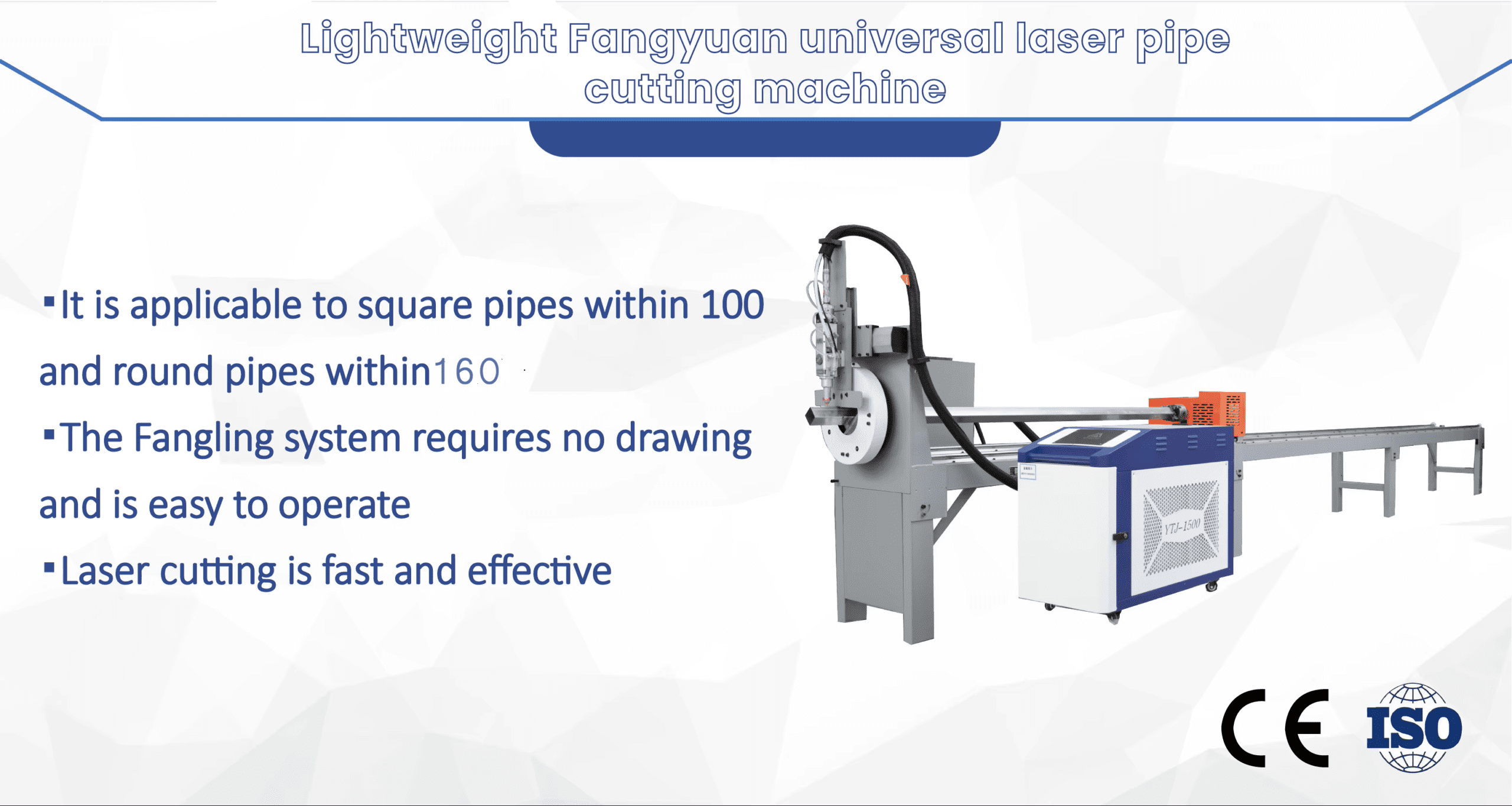 laser cutting machine MAK160″ style=”max-width: 100%; height: auto; margin: 20px 0;”>
Technical Specifications of the 4kW Fiber Laser Source
The core of the 4kW tube laser cutter is its fiber laser resonator. Unlike traditional CO2 lasers, fiber technology uses a solid-state gain medium, which is then delivered via a flexible fiber optic cable to the cutting head. For carbon steel applications, this technology provides several engineering advantages:
Energy Efficiency and Beam Quality
A 4kW fiber laser operates with a wall-plug efficiency of approximately 30-40%, significantly higher than the 10% seen in CO2 systems. This translates to lower operational costs for facilities in Puebla, where energy management is a key factor in overhead reduction. Furthermore, the beam quality (BPP) of a fiber laser is superior, allowing for a smaller focal spot size. This results in a higher power density at the point of contact, facilitating faster piercing and cleaner laser cutting through carbon steel.
Wavelength Advantages
The 1.06-micron wavelength of a fiber laser is more readily absorbed by carbon steel compared to the 10.6-micron wavelength of CO2 lasers. This absorption rate allows the 4kW system to process thin-walled tubes at exceptional speeds while still maintaining the torque and thermal energy required to penetrate thick-walled structural tubing up to 12mm or 14mm, depending on the oxygen assist gas pressure and lens configuration.
Optimizing Carbon Steel Fabrication in Puebla
Carbon steel is the backbone of the construction and transport industries in Central Mexico. Whether it is A36 structural steel or specialized SAE 1018 tubing, the 4kW laser provides specific metallurgical benefits during the fabrication process.
Assist Gas Selection: Oxygen vs. Nitrogen
When laser cutting carbon steel with a 4kW system, the choice of assist gas is critical. Oxygen is typically used for thicker sections; it reacts exothermically with the iron, providing additional heat to the cut. This allows the 4kW laser to handle thicker walls than it could with an inert gas alone. However, this leaves a thin oxide layer on the cut edge. For industries in Puebla that require immediate welding or powder coating, nitrogen can be used for thinner gauges (up to 4-6mm) to achieve a “bright cut” that is free of oxidation, thereby eliminating the need for post-cut cleaning.
Managing the Heat-Affected Zone (HAZ)
One of the primary concerns in engineering high-stress components is the Heat-Affected Zone. The high speed of the 4kW fiber laser minimizes the time the beam spends on any single point, effectively narrowing the HAZ. This preserves the mechanical properties of the carbon steel tube, ensuring that structural integrity is maintained—a vital requirement for roll cages, chassis components, and architectural frameworks produced in the Puebla-Tlaxcala corridor.

Advanced Machine Architecture and Kinematics
A 4kW tube laser is more than just its power source; the mechanical delivery system must be equally sophisticated to handle the dynamics of rapid laser cutting.
Pneumatic Chuck Systems and Centering
Modern machines utilize dual or triple pneumatic chuck systems that provide high clamping force without deforming thin-walled carbon steel tubes. Precision sensors ensure that the tube is centered along the X-axis, compensating for any slight bows or twists in the raw material. In Puebla’s high-volume manufacturing environments, automated loading systems can feed 6-meter or 9-meter bundles of carbon steel into the chucks, allowing for “lights-out” manufacturing cycles.
The Role of 3D Cutting Heads
To maximize the utility of the 4kW source, many systems are equipped with 5-axis or 3D cutting heads. This allows for beveling and miter cuts, which are essential for creating interlocking tube joints (saddle cuts). For Puebla-based engineers, this means that tubes can be designed to “snap together” prior to welding, significantly reducing the need for complex jigs and fixtures on the assembly floor.
Software Integration and Industry 4.0
The efficiency of laser cutting in carbon steel is heavily dependent on the nesting software. Professional-grade CAD/CAM systems allow engineers to import 3D models and automatically calculate the most efficient nesting patterns to minimize scrap. Given the fluctuating prices of raw carbon steel in the Mexican market, material utilization rates of 90% or higher are essential for profitability.
Real-time Monitoring and Maintenance
In the context of Puebla’s smart factories, 4kW tube lasers are often connected to the cloud. This enables remote diagnostics and real-time monitoring of gas consumption, cutting hours, and laser diode health. Predictive maintenance ensures that the machine avoids unplanned downtime, which is critical when meeting the just-in-time (JIT) delivery requirements of the automotive plants located in San José Chiapa and Cuautlancingo.
Economic Impact for Local Metalworking Shops
Investing in a 4kW tube laser cutter is a strategic move for small to medium enterprises (SMEs) in Puebla. While the initial capital expenditure is higher than traditional saws or plasma cutters, the ROI is driven by several factors:
- Process Consolidation: One laser replaces the functions of a saw, a drill, a milling machine, and a deburring station.
- Reduced Labor Costs: Automation reduces the number of operators required per shift.
- Market Expansion: The ability to offer high-precision laser cutting services allows local shops to bid on international contracts that require tight tolerances (±0.1mm).
Safety and Environmental Considerations
Operating a 4kW fiber laser requires strict adherence to safety protocols. The 1.06-micron beam is invisible and can cause permanent ocular damage even through reflections. Therefore, a fully enclosed machine housing with laser-safe glass is mandatory. In Puebla, industrial safety regulations (NOM standards) dictate that proper dust extraction systems must be in place, especially when cutting carbon steel, which produces fine metallic dust and oxides that can be hazardous if inhaled.
Chiller Systems and Thermal Stability
A 4kW laser generates significant heat within the resonator and the cutting head. A dual-circuit industrial chiller is necessary to maintain a constant temperature. In the temperate climate of Puebla, maintaining thermal stability is relatively straightforward, but the chiller must be sized correctly to handle the peak summer temperatures to prevent “thermal drift” in the laser beam, which could affect cut quality.
Conclusion: The Future of Metal Fabrication in Puebla
The transition to 4kW tube laser cutting technology is no longer a luxury but a necessity for the metalworking industry in Puebla. As carbon steel remains the primary material for the region’s industrial growth, the speed, precision, and versatility of the fiber laser provide the tools needed to meet modern engineering challenges. By adopting these systems, local manufacturers can ensure they remain integral players in the global supply chain, delivering high-quality components with unprecedented efficiency.
Whether it is for the production of agricultural equipment, office furniture, or complex automotive frames, the 4kW tube laser cutter stands as a testament to the technological evolution of Mexican manufacturing. As we look toward the future, the integration of AI-driven nesting and even higher power levels will continue to push the boundaries of what is possible in carbon steel fabrication.













