Introduction to 1.5kW Fiber laser cutting Technology in Puebla
The industrial landscape of Puebla, Mexico, has undergone a significant transformation over the last decade. As a primary hub for automotive manufacturing, aerospace components, and intricate metalwork, the demand for precision and efficiency has never been higher. Among the various technologies driving this evolution, the 1.5kW fiber laser cutting machine stands out as a versatile and powerful tool, particularly for processing non-ferrous metals like brass. This guide explores the technical nuances, operational advantages, and specific applications of 1.5kW fiber laser systems within the context of Puebla’s diverse manufacturing sector.
Laser cutting technology has superseded traditional mechanical die-cutting and plasma systems in many applications due to its superior accuracy and reduced material waste. For a city like Puebla, which hosts major players like Volkswagen and Audi along with a vast network of Tier 1 and Tier 2 suppliers, the ability to produce high-tolerance brass components is a competitive necessity. The 1.5kW power rating represents a “sweet spot” for many small to medium-sized enterprises (SMEs) in the region, offering enough power to handle industrial thicknesses while remaining energy-efficient and cost-effective.
The Physics of Fiber Laser Cutting for Brass
Brass is an alloy of copper and zinc, known for its high thermal conductivity and high reflectivity. In the early days of laser cutting, CO2 lasers struggled with brass because the material would reflect the long-wavelength infrared light back into the laser optics, causing catastrophic damage. However, fiber lasers operate at a wavelength of approximately 1.064 microns, which is much more readily absorbed by yellow metals like brass.
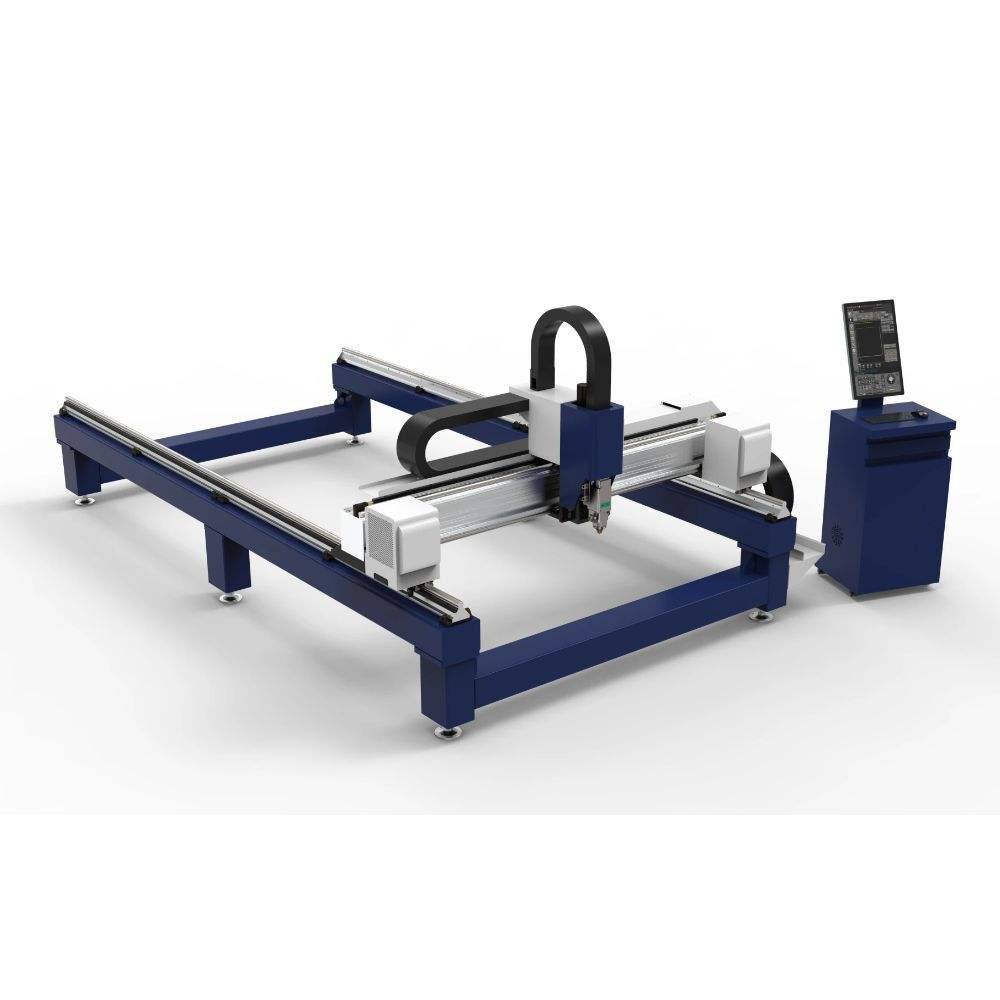
A 1.5kW fiber laser cutting machine utilizes an optical fiber doped with rare-earth elements to amplify light. This beam is then delivered via a flexible fiber optic cable to the cutting head. The high power density at the focal point allows the laser to melt the brass almost instantaneously. Because the absorption rate is higher at this wavelength, the 1.5kW system can achieve clean cuts on brass sheets ranging from 0.5mm to 5mm with exceptional edge quality, minimizing the heat-affected zone (HAZ).

Why 1.5kW is Optimal for Puebla’s Brass Manufacturers
When selecting a laser cutting system, power selection is critical. While 3kW or 6kW machines offer higher speeds for thick plates, the 1.5kW variant provides the precision required for the intricate brass work often found in Puebla’s decorative and electrical industries. In the industrial corridors of Chachapa and FINSA, manufacturers often deal with brass shims, electrical connectors, and architectural hardware where the material thickness rarely exceeds 4mm.
The 1.5kW fiber laser cutting machine offers a lower barrier to entry in terms of capital expenditure (CAPEX) and operating expenses (OPEX). For a business in Puebla, this means a faster return on investment (ROI). The power consumption of a 1.5kW source is significantly lower than higher-wattage units, and when paired with the right auxiliary gases, the cost per part becomes highly competitive in the local market.
Overcoming Reflectivity Challenges
Despite the better absorption of fiber laser wavelengths, brass remains a “highly reflective” material. Modern 1.5kW machines are equipped with back-reflection protection systems. These sensors detect if the laser beam is being bounced back into the delivery fiber and can shut down the source in microseconds to prevent damage. This technological safeguard is essential for Puebla workshops that specialize in high-polish brass plates used in luxury automotive interiors or commemorative plaques.
Technical Specifications and Cutting Parameters
To achieve the best results with a 1.5kW fiber laser cutting machine on brass, operators must fine-tune several parameters. The interaction between the beam, the material, and the assist gas determines the final quality of the cut.
Assist Gas Selection: Nitrogen vs. Oxygen
For brass laser cutting, the choice of assist gas is paramount.
- Nitrogen: This is the preferred gas for high-quality finishes. Nitrogen acts as a shielding gas, blowing away the molten metal without allowing it to oxidize. This results in a bright, clean edge that requires no secondary finishing—a major advantage for Puebla’s decorative metal artists.
- Oxygen: While oxygen can increase cutting speeds by creating an exothermic reaction, it often leaves a darkened, oxidized edge on brass. This is generally avoided unless the part will be painted or hidden from view.
- Compressed Air: For cost-sensitive projects in Puebla’s industrial parks, high-pressure compressed air can be used for thin brass (under 1.5mm). It is a middle ground between Nitrogen and Oxygen in terms of quality and cost.
Cutting Speeds and Thicknesses
A 1.5kW fiber laser cutting machine typically handles brass at the following estimated speeds:
- 1mm Brass: 12-15 meters per minute.
- 2mm Brass: 4-6 meters per minute.
- 3mm Brass: 2-3 meters per minute.
- 5mm Brass: 0.8-1.2 meters per minute (Maximum capacity for many 1.5kW units).
These speeds ensure that the process remains productive while maintaining the structural integrity of the brass alloy.
Applications of Brass Laser Cutting in Puebla
The versatility of brass makes it a staple in several sectors across the state of Puebla. The precision of laser cutting allows for applications that were previously too labor-intensive or expensive.
Automotive and Electronics
Puebla’s automotive sector relies heavily on brass for electrical terminals, connectors, and sensors. The 1.5kW fiber laser can cut these small, complex parts with a kerf width as narrow as 0.1mm. This precision ensures that components meet the rigorous standards of ISO and IATF certifications required by major manufacturers like Volkswagen de México.
Architectural and Decorative Arts
Puebla is famous for its architecture and craftsmanship. Local designers use laser cutting to create intricate brass screens, custom furniture inlays, and signage. The ability to cut complex geometric patterns into brass sheets allows for a fusion of traditional Poblano aesthetics with modern manufacturing techniques. The clean edges produced by the 1.5kW laser are essential for items that will be polished or gold-plated.
Industrial Valves and Fittings
The manufacturing of fluid control systems often involves brass due to its corrosion resistance and spark-free properties. Laser cutting allows for the rapid prototyping and production of specialized gaskets, valve components, and flanges used in the regional chemical and textile industries.
Maintenance and Longevity in the Puebla Climate
Puebla’s climate, characterized by its temperate but sometimes dusty environment, requires specific maintenance protocols for a 1.5kW fiber laser cutting machine. To ensure the longevity of the equipment, several factors must be managed.
Cooling Systems (Chillers)
The fiber laser source and the cutting head generate significant heat. A high-quality dual-circuit water chiller is mandatory. In Puebla, where ambient temperatures can fluctuate, the chiller must be kept in a well-ventilated area and the coolant levels monitored weekly. Using deionized water is crucial to prevent mineral buildup within the laser’s internal cooling channels.
Optical Cleanliness
Dust is the enemy of laser cutting. The cutting head contains protective windows and lenses that must be inspected daily. Even a microscopic speck of dust can absorb laser energy, heat up, and crack the lens. Given the industrial activity in areas like San Jerónimo Caleras, maintaining a clean-room environment or utilizing high-quality dust extraction systems is highly recommended for laser operators.
Economic Impact for Puebla Businesses
Investing in a 1.5kW fiber laser cutting machine is a strategic move for Puebla-based machine shops. The shift from outsourcing laser services to in-house production can reduce lead times from weeks to hours. Furthermore, the high precision of the laser reduces material scrap. Given that brass is a relatively expensive commodity, saving even 5-10% of material through optimized nesting software can result in thousands of dollars in annual savings.
Moreover, the local availability of technical support and spare parts in central Mexico has improved significantly. Many distributors now offer localized training in Spanish, ensuring that Puebla’s workforce can transition smoothly from traditional machining to advanced CNC laser cutting.
Conclusion: The Future of Metal Fabrication in Puebla
The 1.5kW fiber laser cutting machine represents the perfect intersection of power, precision, and price for the brass fabrication industry in Puebla. Whether it is for the high-volume demands of the automotive supply chain or the bespoke requirements of architectural design, this technology provides the tools necessary for local manufacturers to excel. By understanding the specific requirements of cutting reflective materials and maintaining the equipment within the local environment, Puebla’s industrial sector can continue to lead the way in Mexican manufacturing excellence. As the region continues to grow as a global manufacturing powerhouse, the adoption of fiber laser technology will remain a cornerstone of its industrial strategy.













