Introduction to 6kW Precision Laser Systems in Leon’s Industrial Landscape
The industrial sector in Leon, Guanajuato, has undergone a massive transformation over the last decade. As a central hub in the Bajío region of Mexico, Leon has transitioned from its traditional roots in footwear and leather to become a powerhouse in automotive parts manufacturing, construction materials, and specialized aerospace components. At the heart of this evolution is the adoption of high-power fiber laser cutting technology. Specifically, the 6kW precision laser system has emerged as the industry standard for workshops and factories looking to balance speed, accuracy, and operational cost.
A 6kW laser provides a significant leap in capability compared to lower-wattage entry-level machines. In a city like Leon, where industrial competition is fierce and the demand for rapid prototyping is high, the ability to process thick materials without sacrificing edge quality is paramount. This guide explores the technical intricacies of utilizing a 6kW system, with a specific focus on the challenges and advantages of processing galvanized steel—a material ubiquitous in the local construction and automotive supply chains.

Why 6kW is the Optimal Power Rating for Galvanized Materials
In the realm of laser cutting, power dictates the maximum thickness of the material and the speed at which it can be processed. While a 3kW machine can handle thin galvanized sheets, a 6kW system offers a “sweet spot” for industrial applications. It provides enough energy density to vaporize the zinc coating and the underlying steel substrate simultaneously, resulting in a cleaner cut with minimal dross.
For Leon-based manufacturers, the 6kW rating allows for the efficient processing of galvanized steel up to 12mm or even 15mm in some configurations, though its primary strength lies in the high-speed processing of 3mm to 8mm sheets. At these thicknesses, the 6kW laser can move at speeds that significantly reduce the heat-affected zone (HAZ), ensuring that the corrosion-resistant properties of the galvanized coating remain as intact as possible near the cut edge.
Technical Challenges of Cutting Galvanized Steel
Galvanized steel presents unique challenges for laser cutting compared to standard carbon steel or stainless steel. The primary issue is the zinc coating. Zinc has a much lower melting point and boiling point than the iron in the steel. When the laser beam hits the surface, the zinc vaporizes rapidly, often creating a high-pressure gas layer that can interfere with the stability of the laser beam and the assist gas flow.
Managing the Zinc Vaporization Effect
The vaporization of zinc can lead to “popping” or “spattering” during the laser cutting process. If the parameters are not finely tuned, this vapor can be trapped within the kerf, leading to porosity in the cut or unsightly slag on the underside of the workpiece. Precision 6kW systems address this through advanced CNC control and modulated pulse frequencies. By optimizing the power delivery, the system ensures that the zinc is cleared from the path of the beam before the steel is melted, resulting in a smooth, weld-ready edge.
Furthermore, the reflective nature of the zinc coating can pose a risk to the laser source. Modern fiber lasers are equipped with back-reflection protection, but the 6kW threshold is particularly effective because it provides enough “punch” to penetrate the reflective surface instantly, reducing the window of time where back-reflection could occur.
Core Components of a High-Precision Laser System
A precision 6kW laser is more than just its power source. It is a complex integration of optics, motion control, and structural engineering. In Leon’s industrial parks, where temperatures can fluctuate and dust from manufacturing can be an issue, the build quality of the machine is essential for maintaining long-term accuracy.
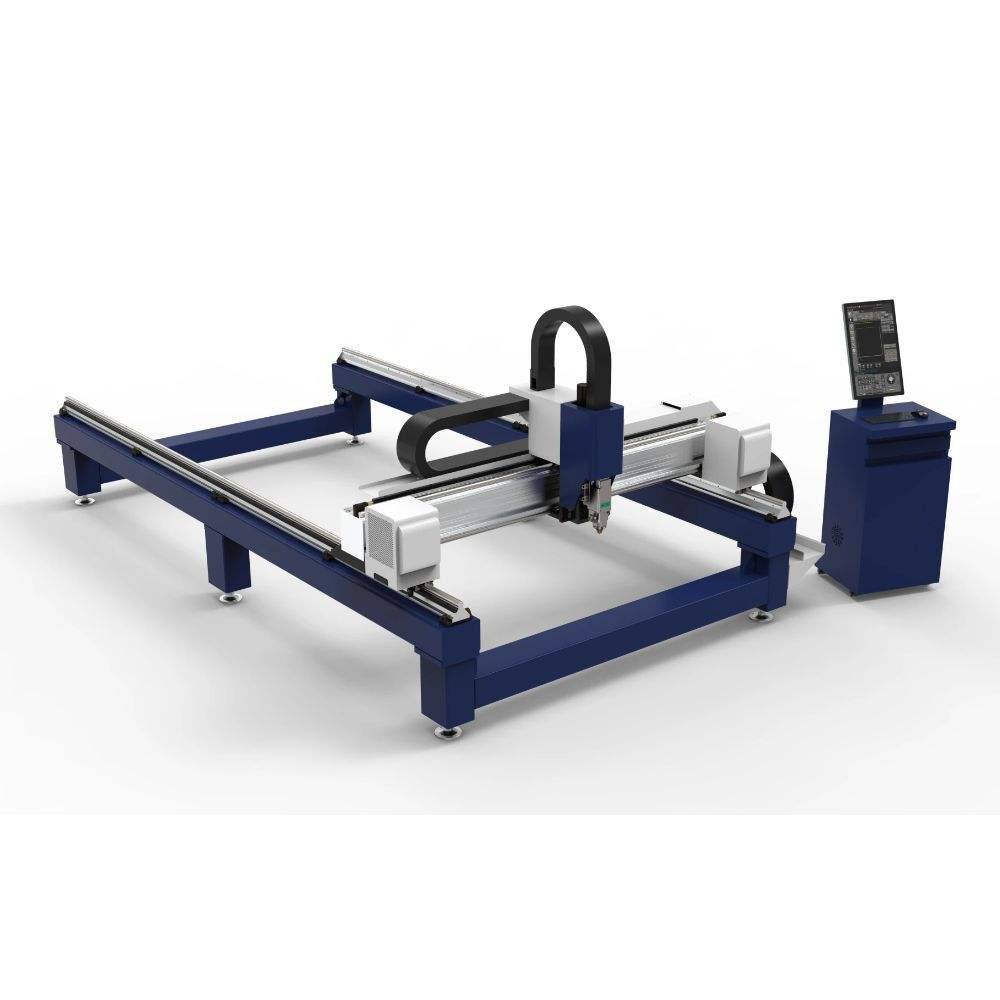 laser cutting machine” style=”max-width: 100%; height: auto; margin: 20px 0;”>
Fiber Laser Source and Beam Quality
The fiber laser source is the heart of the system. Unlike CO2 lasers, fiber lasers use a solid-state gain medium, which is more energy-efficient and requires less maintenance. For a 6kW system, the beam quality (measured by the BPP or Beam Parameter Product) must be exceptionally high. A high-quality beam allows for a smaller focal spot, which increases the power density. This high power density is what allows the 6kW machine to slice through galvanized steel with the precision of a much more expensive, higher-wattage machine.
The Cutting Head and Autofocus Technology
Precision laser cutting requires constant adjustment of the focal point. Galvanized sheets are rarely perfectly flat; they often have slight bows or internal stresses. Modern 6kW systems utilize intelligent cutting heads with capacitive sensors that maintain a constant distance between the nozzle and the material. The autofocus mechanism adjusts the lens position in milliseconds, ensuring that the laser stays perfectly focused through the entire thickness of the material, regardless of surface irregularities.
Optimized Parameters for Leon’s Manufacturing Sector
Operating a 6kW laser in Leon requires an understanding of local environmental factors and material availability. The altitude of Leon (approximately 1,800 meters above sea level) can affect the density of the air and the performance of cooling systems. Therefore, industrial chillers must be rated for the local climate to ensure the laser source remains at a stable operating temperature.
Gas Selection: Nitrogen vs. Compressed Air
When laser cutting galvanized steel, the choice of assist gas is critical.
- Nitrogen: This is the preferred choice for high-quality finishes. Nitrogen acts as a shielding gas, preventing oxidation of the cut edge. This is particularly important for galvanized steel because it prevents the formation of zinc oxide, which can interfere with subsequent painting or welding processes.
- Oxygen: While oxygen can increase cutting speeds in thick carbon steel by creating an exothermic reaction, it is generally avoided for thin galvanized sheets as it can cause excessive burning of the zinc coating.
- Compressed Air: For many shops in Leon looking to reduce costs, high-pressure compressed air is a viable alternative for 6kW systems. It provides a balance between speed and cost, though the edge will have a slight oxide layer.
Maintenance and Longevity in the Bajío Region
To maintain the precision of a 6kW laser cutting system, a rigorous maintenance schedule is required. The high-speed movement of the gantry (often exceeding 120m/min in modern machines) places significant stress on the linear guides and rack-and-pinion systems. Regular lubrication and calibration are essential to prevent mechanical backlash, which can ruin the tight tolerances required by automotive clients.
Fume Extraction and Environmental Safety
Cutting galvanized steel produces zinc oxide fumes, which are hazardous if inhaled. In compliance with Mexican environmental and workplace safety regulations (NOM), any 6kW laser installation in Leon must include a robust fume extraction and filtration system. High-capacity dust collectors with HEPA filters are necessary to capture the fine particulate matter generated during the vaporization of the zinc coating. This not only protects the operators but also prevents the buildup of conductive dust on the machine’s electronic components.
Software Integration and Industry 4.0
The precision of the hardware is only as good as the software driving it. 6kW systems in Leon are increasingly integrated into Industry 4.0 workflows. Nesting software optimizes material usage—critical when dealing with the rising costs of galvanized coils. By using advanced algorithms, the software can arrange parts to minimize scrap and plan cutting paths that prevent the laser head from crossing over previously cut parts, reducing the risk of collisions.
Furthermore, remote monitoring allows factory managers to track the performance of the laser cutting machine in real-time. Data on gas consumption, power usage, and cutting hours can be analyzed to predict maintenance needs before a failure occurs, ensuring that the production lines in Leon’s busy industrial sector never grind to a halt.
Conclusion: The Future of Metal Fabrication in Guanajuato
The 6kW precision laser system represents a vital investment for any metal fabrication business in Leon. Its ability to handle the complexities of galvanized steel with speed and accuracy makes it an indispensable tool in the modern supply chain. As the automotive and construction industries continue to demand higher quality and faster turnaround times, those who leverage high-power fiber laser cutting technology will be well-positioned to lead the market.
By understanding the technical nuances of zinc vaporization, gas dynamics, and machine maintenance, operators in Leon can maximize the ROI of their laser systems. The shift toward higher wattage and greater precision is not just a trend; it is a fundamental requirement for the continued growth of the Bajío’s industrial engine. Whether producing structural brackets for new factories or intricate components for the next generation of vehicles, the 6kW laser stands as a testament to the power of modern engineering in the heart of Mexico.













